
📑 Table of Contents ▶
Amish White Bread Recipe
A warm loaf of Amish white bread often reminds me of family gatherings. As a child, the aroma of freshly baked bread filled our home, welcoming everyone inside. The joy of breaking bread together created lasting memories, making it a staple in our lives. There’s something special about a recipe that brings people together, and this Amish white bread recipe does just that.
Watching my grandmother knead the dough was a lesson in patience and love. Each fold and press seemed to infuse the bread with her warmth. When she set the dough to rise, anticipation filled the air. Finally, when that golden crust emerged from the oven, we would gather around the table, ready to enjoy the fruits of her labor. Incorporating this cherished recipe into my life allows me to share that same warmth with my loved ones.
The delightful texture and flavor of Amish white bread make it a favorite for any occasion. Whether you spread butter on a warm slice or use it for sandwiches, this bread is a delicious addition to any meal. And the best part? You can create it at home with simple ingredients and a little time.
Amish White Bread Fundamentals
Fundamentals
Understanding the basics is crucial when embarking on making Amish white bread. This bread utilizes a straightforward approach, requiring essential ingredients that most people have on hand. The combination of water, milk, and yeast creates a perfect environment for rising. This bread stands out for its soft texture and sweet flavor, making it approachable for both novice and experienced bakers.
Yeast plays a vital role in this process. Active dry yeast is the preferred type for this recipe, and it activates beautifully in warm water and milk. The addition of a pinch of powdered ginger can enhance yeast activation, contributing to an even lighter bread. Keeping the liquids at the right temperature is key, as too hot or too cold can hinder the yeast’s ability to rise properly.
Preparation/Setup
Before diving in, proper setup ensures a smooth baking experience. Start by measuring out your ingredients carefully, as accuracy significantly affects the outcome. Gather 1 cup of water and 1 cup of milk, both heated to about 110°F. Combine these with 2/3 cup of sugar, 1 1/2 tablespoons of active dry yeast, and a pinch of powdered ginger if desired.
Next, prepare your mixing bowl. A large bowl works best for combining all ingredients comfortably. You will need a sturdy work surface for kneading the dough. Ensure your workspace is clean and dry, ready to handle the dough that will become the backbone of your delicious Amish white bread.
Ingredients
Here’s a closer look at the ingredients for this charming Amish bread recipe:
- 1 cup warm water (110°F)
- 1 cup warm milk (110°F)
- 2/3 cup sugar (you can use less if preferred)
- 1 1/2 tablespoons active dry yeast
- 1 1/2 teaspoons salt
- 1/4 cup vegetable oil (or melted coconut oil/butter)
- 5-1/2 cups bread flour (adjust as necessary)
- 2 tablespoons butter (melted)
These simple ingredients combine to create a mouthwatering loaf full of flavor and nostalgia.
Directions
- In a large mixing bowl, combine warm water, warm milk, and sugar. Stir until dissolved.
- Sprinkle yeast over the liquid and let it stand for about 5-10 minutes until frothy.
- Add salt, oil, and 2 cups of flour to the mixture. Stir until combined.
- Gradually incorporate remaining flour until a dough forms.
- Turn the dough onto a floured surface and knead for about 8-10 minutes until smooth and elastic.
- Place the dough in a greased bowl, cover it, and let it rise in a warm place for 1-2 hours, or until doubled in size.
- Punch down the dough and turn it out onto a floured surface. Shape it into a loaf.
- Place the loaf in a greased bread pan, cover again, and let rise for another 30-45 minutes.
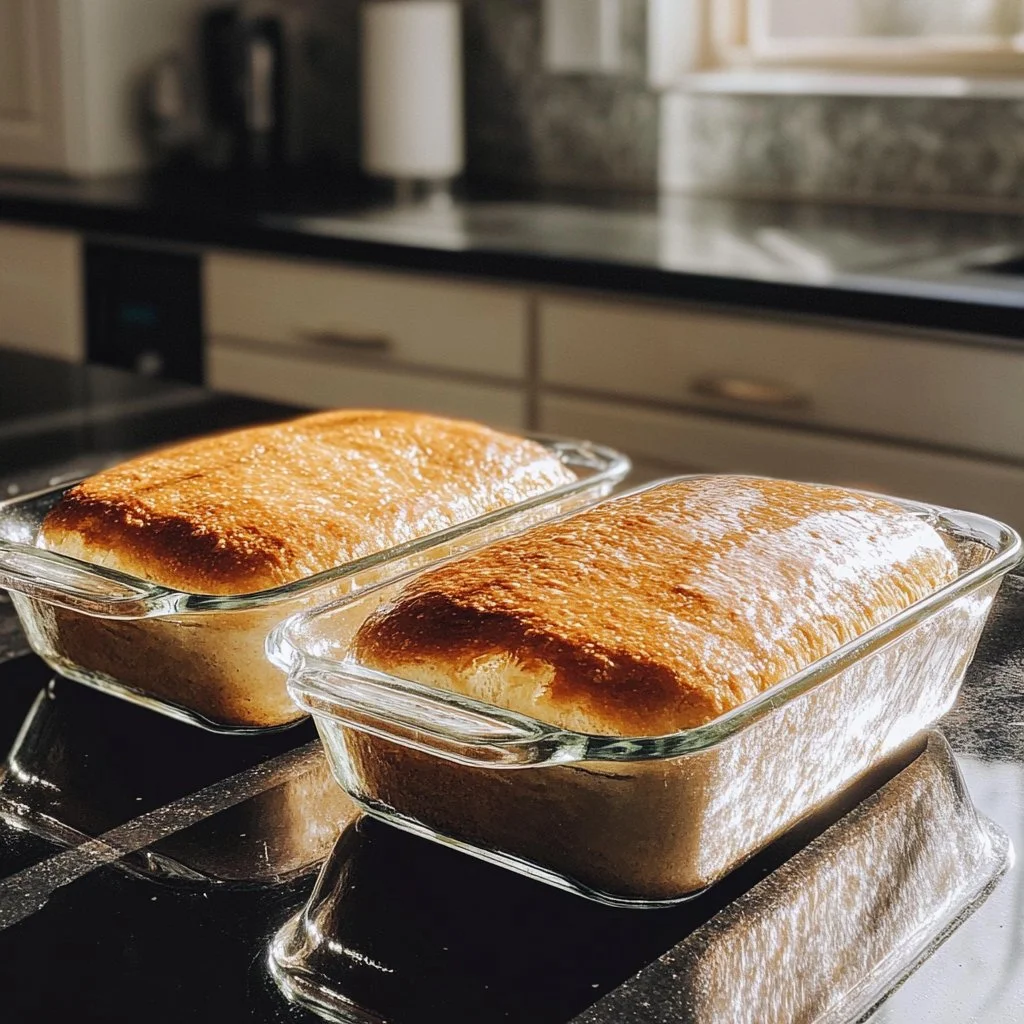
- Preheat the oven to 350°F. Bake the bread for 30-35 minutes until golden brown.
- Brush the top with melted butter once it comes out of the oven.
Mastering Amish White Bread Techniques
Technique
Creating Amish white bread involves a few essential techniques to perfect the process. Proper kneading is crucial. Kneading develops gluten, which allows the bread to rise and hold its shape. Focus on pressing, folding, and turning the dough repeatedly. The dough should become smooth and elastic, indicating that it’s ready for rising.
When it comes to rising, patience pays off. Allow the dough to rest in a warm environment so the yeast can work its magic. A covered bowl placed in a slightly warm oven can provide an ideal space for rising. Watch the dough closely, as it can sometimes rise faster than expected.
Tips/Tricks
Consider these tips for achieving the best results with your Amish white bread:
- Use fresh yeast: Ensure your yeast is within the expiration date—this guarantees optimal rising.
- Check temperatures: Always maintain your water and milk at the correct temperature. Use a thermometer for accuracy, especially if you’re unsure.
- Adjust flour: Keep extra flour nearby while kneading. The dough may need more or less depending on humidity and temperature.
- Shape the loaf properly: Tightly shape the dough when forming the loaf for an even structure.
These techniques will help you create a superior loaf of Amish white bread, ensuring that the bread turns out soft and delightful every time.
Perfecting Amish White Bread Results
Perfecting Results
Perfecting your Amish white bread can come with some trial and error. Each baking experience teaches valuable lessons about your environment and ingredients. If your bread remains dense, consider checking the yeast and adjusting the kneading time. A higher kneading time often results in a lighter and fluffier loaf.
Baking times may also vary depending on your oven. Keep an eye on the bread as it bakes, watching for that lovely golden hue and testing with a toothpick to ensure it’s fully baked.
Troubleshooting/Variations
Should you encounter any snags while baking, be reassured that many common problems have simple solutions. If the dough does not rise, your yeast may be inactive, or the water may have been too hot or too cold. Consider starting again with fresh yeast in that instance.
For those looking to mix things up, consider incorporating herbs or seeds for added flavor and texture. Adding a bit of garlic powder or rosemary can transform your bread into an aromatic delight. Alternatively, use whole wheat flour for a hearty option, adjusting the liquid as necessary for consistency.
Serving and Storing Amish White Bread
Serving/Presentation
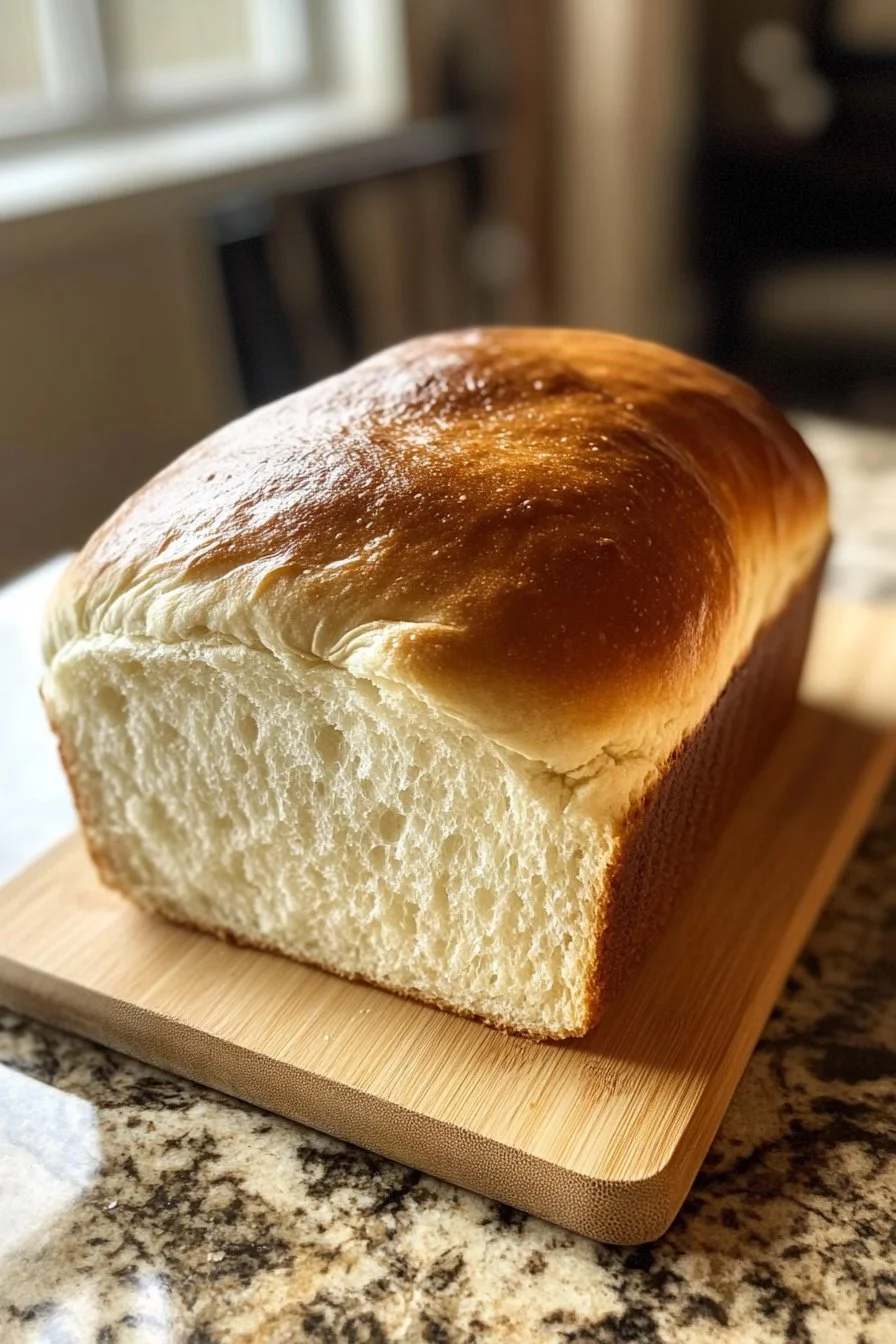
Presenting your Amish white bread can be as delightful as making it. Slice the bread thickly and serve it warm, allowing everyone to enjoy it straight from the oven. Pair it with butter, honey, or jam for a sweet touch. You could also use it for sandwiches, bringing a homemade touch to your meals.
Consider a rustic presentation by placing the loaf on a wooden cutting board or a decorative platter for gatherings. Nothing captures the warmth of homemade bread quite like a beautiful display.
Pairings/Storage
Amish white bread pairs well with various dishes, from hearty soups and stews to fresh salads. It can enhance any meal, making it a versatile choice for dinner time. The bread can also serve as the perfect foundation for casual gatherings or picnics.
For storage, wrap the bread in plastic wrap once cooled to maintain freshness. Storing it at room temperature will keep it soft for several days. For longer storage, slice the bread and freeze it. This way, you can enjoy homemade bread anytime, pulling out only what you need.
Creating Amish white bread is more than just a recipe; it’s an opportunity to create memories, share love, and enjoy simple pleasures. Each loaf carries with it a piece of home and happiness, waiting to nourish both body and spirit.
Print
Amish White Bread
- Prep Time: 15 minutes
- Cook Time: 35 minutes
- Total Time: 50 minutes
- Yield: 12 slices
- Category: Bread
- Method: Baking
- Cuisine: American
- Diet: Vegetarian
Description
A heartwarming recipe for homemade Amish white bread that brings families together with its delightful texture and sweet flavor.
Ingredients
- 1 cup warm water (110°F)
- 1 cup warm milk (110°F)
- 2/3 cup sugar
- 1 1/2 tablespoons active dry yeast
- 1 1/2 teaspoons salt
- 1/4 cup vegetable oil (or melted coconut oil/butter)
- 5 1/2 cups bread flour (adjust as necessary)
- 2 tablespoons butter (melted)
Instructions
- In a large mixing bowl, combine warm water, warm milk, and sugar. Stir until dissolved.
- Sprinkle yeast over the liquid and let it stand for about 5-10 minutes until frothy.
- Add salt, oil, and 2 cups of flour to the mixture. Stir until combined.
- Gradually incorporate remaining flour until a dough forms.
- Turn the dough onto a floured surface and knead for about 8-10 minutes until smooth and elastic.
- Place the dough in a greased bowl, cover it, and let it rise in a warm place for 1-2 hours, or until doubled in size.
- Punch down the dough and turn it out onto a floured surface. Shape it into a loaf.
- Place the loaf in a greased bread pan, cover again, and let rise for another 30-45 minutes.
- Preheat the oven to 350°F. Bake the bread for 30-35 minutes until golden brown.
- Brush the top with melted butter once it comes out of the oven.
Notes
Use fresh yeast and ensure water and milk are at the correct temperature for best results. Adjust flour as necessary depending on humidity.