
📑 Table of Contents ▶
Baguette (The Easiest Recipe)
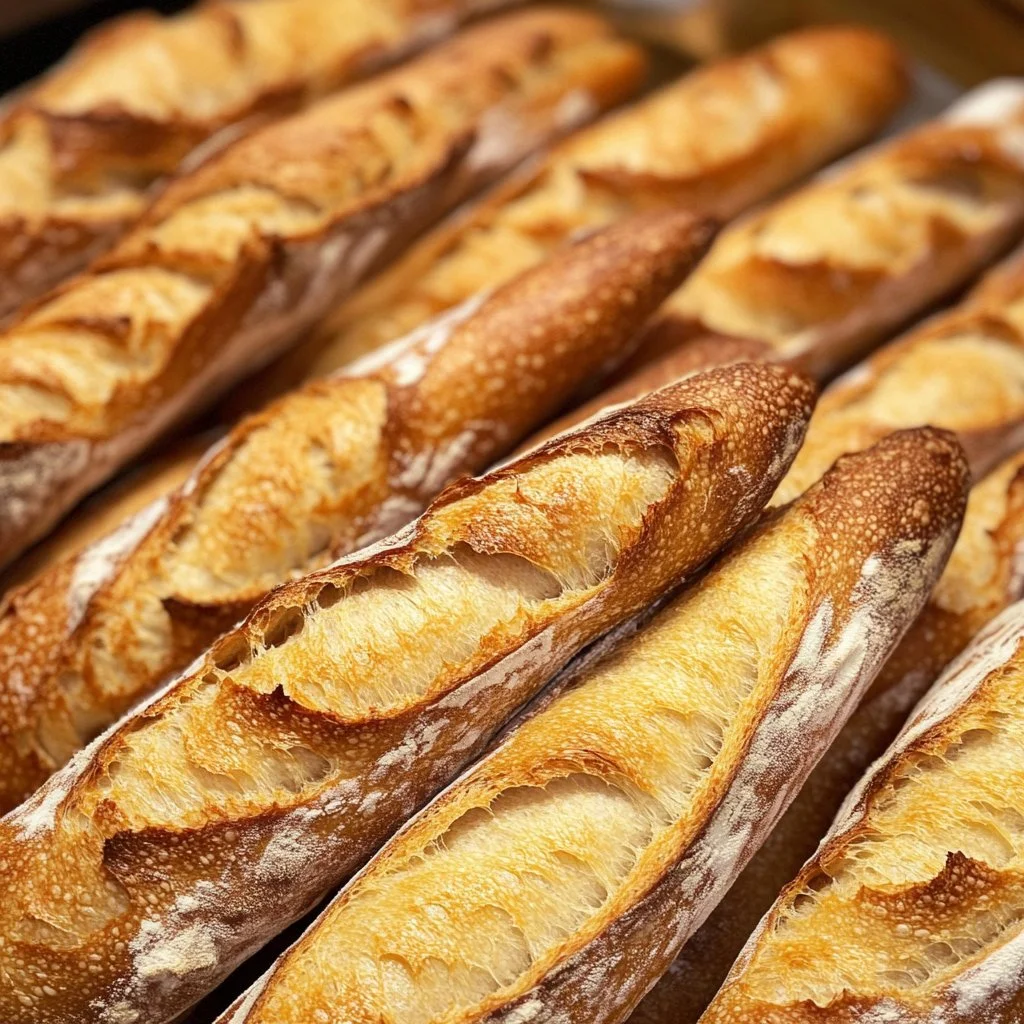
A warm, crusty baguette fresh from the oven brings a comforting aroma that fills the kitchen. Growing up, the sight of my grandmother pulling a golden baguette out of her old oven signified love and warmth. The cracking crust and soft center would often accompany our family meals, making moments spent at the table feel special.
Learning to bake baguettes became a rite of passage for me. In my early attempts, I faced some challenges, but the reward was always worth the effort. Each loaf tells a story of patience and care, transforming simple ingredients into something magical. Baguettes, with their rustic appeal and delightful texture, invite everyone to gather and share.
This recipe offers an easy path to enjoying homemade baguettes. With just a handful of ingredients, you can create incredible flavors and textures right in your kitchen. Preparing baguettes might feel intimidating, but with this straightforward approach, you’ll find it easy and rewarding. Let’s dive into the delicious world of baguette baking!
Baguette Basics
Fundamentals
Baguette-making hinges on understanding a few fundamental techniques. The beauty of a baguette lies in its simplicity, comprised primarily of flour, water, yeast, and salt. Each element plays a crucial role in developing the flavor and texture of the final product.
Active dry yeast gives the baguette its rise. It ferments the dough, creating carbon dioxide bubbles that expand during baking. Flour serves as the backbone of this recipe, providing structure. Water activates the yeast, ensuring a moist dough, while salt enhances flavor and strengthens gluten. Mastering each aspect will guarantee a successful bake.
Preparation/setup
Before starting the process, gather your ingredients: 4 cups all-purpose flour, 1 ½ cups warm water at 110°F (43°C), 2 teaspoons of active dry yeast, 2 teaspoons of salt, and 1 teaspoon of sugar. Preparation is key.
Prepare your workspace by cleaning the countertop and flouring your surface for kneading. An oiled bowl will serve as your dough-rising vessel, while parchment paper will line your baking sheet. Equip yourself with a sharp knife for slashing the dough before baking. All these elements facilitate a smooth baking experience.
Ingredients
- 4 cups all-purpose flour
- 1 ½ cups warm water (110°F / 43°C)
- 2 teaspoons active dry yeast
- 2 teaspoons salt
- 1 teaspoon sugar
Directions
Begin by preparing the yeast. In a bowl, mix warm water and sugar. Sprinkle the yeast on top and let it sit for 5 to 10 minutes, until it becomes foamy.
In a large mixing bowl, combine flour and salt. Gradually add the yeast mixture, stirring until a shaggy dough forms.
Transfer the dough to your floured surface. Knead it for about 8 to 10 minutes, until it becomes smooth and elastic.
After kneading, place the dough in an oiled bowl, cover it, and let it rise in a warm place. Allow it to double in size, which takes about one hour or so.
Once risen, punch down the dough to release the air. Divide it into two equal pieces. Roll each section into logs about 12 to 14 inches long to form baguettes.
For the final rise, place the shaped baguettes on a parchment-lined baking sheet. Let them rise again for another 30 minutes as you preheat your oven to 450°F (232°C). Before baking, make slashes across the tops with a sharp knife. Bake for 20 to 25 minutes or until the loaves turn golden brown.
Mastering the Technique
Technique
The technique behind making a perfect baguette involves kneading and shaping. Kneading develops gluten, which contributes to the chewy texture we expect in baguettes. As you knead, you should feel the dough becoming elastic and smooth.
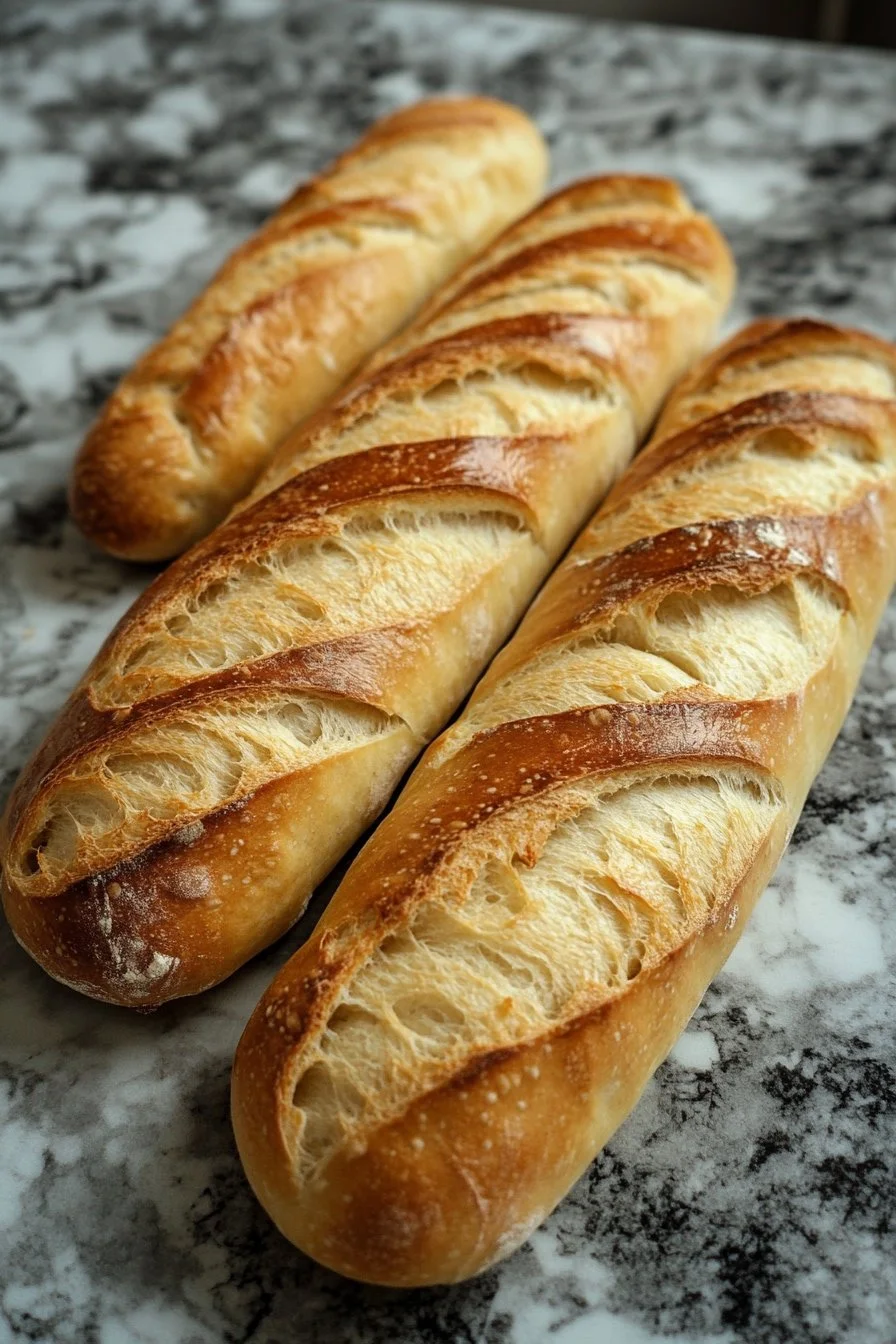
Pay special attention to shaping the baguettes. Rolling the dough into logs should not be rushed. A gentle touch ensures an even shape, allowing for optimal rising. Even the slashes made on top serve a purpose, allowing steam to escape and creating the classic baguette appearance.
Tips and Tricks
A few tips can elevate your baguette-making game. First, always measure your flour accurately. Too much flour can lead to dense, heavy baguettes. Consider using a kitchen scale for precision.
Second, don’t skip the resting periods. Allowing the dough time to rise and relax is vital for developing flavor and texture. This process is where the dough builds complexity and improves its final taste.
Lastly, if you want an extra crusty baguette, consider using a baking stone. It helps better heat retention, providing a crisp crust. Simply place the stone in the oven while preheating, and transfer the baguettes onto it for baking.
Perfecting Your Results
Perfecting Results
When perfecting your baguette recipe, consider the environment. Temperature and humidity can influence dough behavior. Ideal dough requires a consistent warm environment for rising. If it’s too cold, the yeast will work slowly, delaying the rise. If it’s too warm, the dough could overproof, compromising texture.
Experiment with fermentation times. Allowing the dough to rise longer can enhance flavors, resulting in a richer, more complex taste.
Troubleshooting Variations
Even with the best intentions, things might not go as planned. If your baguettes come out flat, this likely indicates underproofing. The dough needs enough time to rise before baking.
If they appear too dark at the end of baking, you may be using a dark baking sheet. A lighter surface can help achieve a more evenly colored crust.
For a different spin, consider adding herbs or spices to your dough for added flavor. A touch of garlic powder or Italian herbs can give your baguettes a new profile without complicating the basic recipe.
Serving and Storing
Serving Presentation
Serving fresh baguettes can be just as delightful as baking them. Presenting them in a simple linen cloth adds a rustic touch to your table. A crispy, warm baguette pairs wonderfully with a variety of spreads or toppings.
Slice the baguette at a diagonal to create more aesthetically pleasing pieces. Serve with olive oil and balsamic vinegar for dipping, or use freshly made pesto as a spread for a flavorful kick.
Pairings and Storage
Baguettes store best at room temperature wrapped in a paper bag to maintain their crust. Avoid plastic bags, as they trap moisture and can make the crust soft.
For longer storage, consider slicing and freezing the baguette. Wrap it well in plastic wrap and store in an airtight container. When you want to enjoy it, simply reheat in the oven for a few minutes to restore its crusty exterior.
Baguettes can elevate any meal, providing a foundation for delicious and varied accompaniments. Experiment with serving options while keeping your storage techniques in mind.
Once you master baking baguettes, you’ll find the world of homemade bread opens up to you. The joy of sharing a freshly baked loaf will create memorable experiences, nurturing the relationships we hold dear. Embrace the process of making baguettes as a delicious journey, and let this simple recipe become a staple in your culinary adventures.
Print
Baguette (The Easiest Recipe)
- Prep Time: 15 minutes
- Cook Time: 25 minutes
- Total Time: 40 minutes
- Yield: 2 baguettes
- Category: Bread
- Method: Baking
- Cuisine: French
- Diet: Vegetarian
Description
A simple and straightforward recipe for baking homemade baguettes that are warm, crusty, and perfect for sharing.
Ingredients
- 4 cups all-purpose flour
- 1 ½ cups warm water (110°F / 43°C)
- 2 teaspoons active dry yeast
- 2 teaspoons salt
- 1 teaspoon sugar
Instructions
- In a bowl, mix warm water and sugar. Sprinkle the yeast on top and let it sit for 5 to 10 minutes, until foamy.
- In a large mixing bowl, combine flour and salt. Gradually add the yeast mixture, stirring until a shaggy dough forms.
- Transfer the dough to a floured surface and knead for 8 to 10 minutes until smooth and elastic.
- Place the dough in an oiled bowl, cover, and let it rise in a warm place until doubled in size, about 1 hour.
- Punch down the dough, divide it into two pieces, and roll each into logs about 12 to 14 inches long.
- Place the shaped baguettes on a parchment-lined baking sheet and let them rise for another 30 minutes while preheating the oven to 450°F (232°C).
- Make slashes across the tops of the baguettes with a sharp knife and bake for 20 to 25 minutes or until golden brown.
Notes
For a crustier baguette, consider using a baking stone. Proper measuring and timing are key to the perfect loaf.