
📑 Table of Contents ▶
- Yakitori
- Mastering Yakitori: A Culinary Journey
- Fundamentals
- Preparation/Setup
- Crafting the Perfect Yakitori Skewers
- Technique
- Tips/Tricks
- Perfecting Your Yakitori Experience
- Perfecting Results
- Troubleshooting/Variations
- Serving and Enjoying Yakitori
- Serving/Presentation
- Pairings/Storage
- Conclusion
- FAQs – Yakitori
Growing up, the kitchen was more than just a place to prepare meals. It was a magical realm where ordinary ingredients transformed into delightful dishes, much like the cherished yakitori. My culinary journey began in this lively space, filled with the aroma of sizzling meats and the chatter of loved ones. The yakitori, with its smoky and savory allure, often took center stage during family gatherings, creating unforgettable memories.
My grandmother, a constant presence in our kitchen, was a master of simplicity, especially when making yakitori. She could turn soy sauce and a few other ingredients into a symphony of flavors that delighted the senses. Her hands moved with practiced ease, threading chicken and negi onto skewers, as she shared stories and laughter. Watching her, I learned that cooking is not just about following recipes but about infusing love and joy into every dish.
These lessons have stayed with me, inspiring the creation of Yumoti.com, where I share recipes like yakitori that bring people together. At Yumoti, my goal is to make cooking accessible and enjoyable, offering simple yet flavorful recipes that anyone can master. The art of yakitori embodies this philosophy, blending straightforward techniques with soulful flavors to create a dish that is both comforting and celebratory.
In this guide, we’re diving into the world of yakitori, exploring its rich flavors and simple preparation methods. Whether you’re a seasoned cook or a kitchen newcomer, making yakitori can be a fulfilling and delicious experience. Join me as we unravel the secrets to crafting the perfect skewers, turning everyday ingredients into a meal that resonates with tradition and taste.
Print
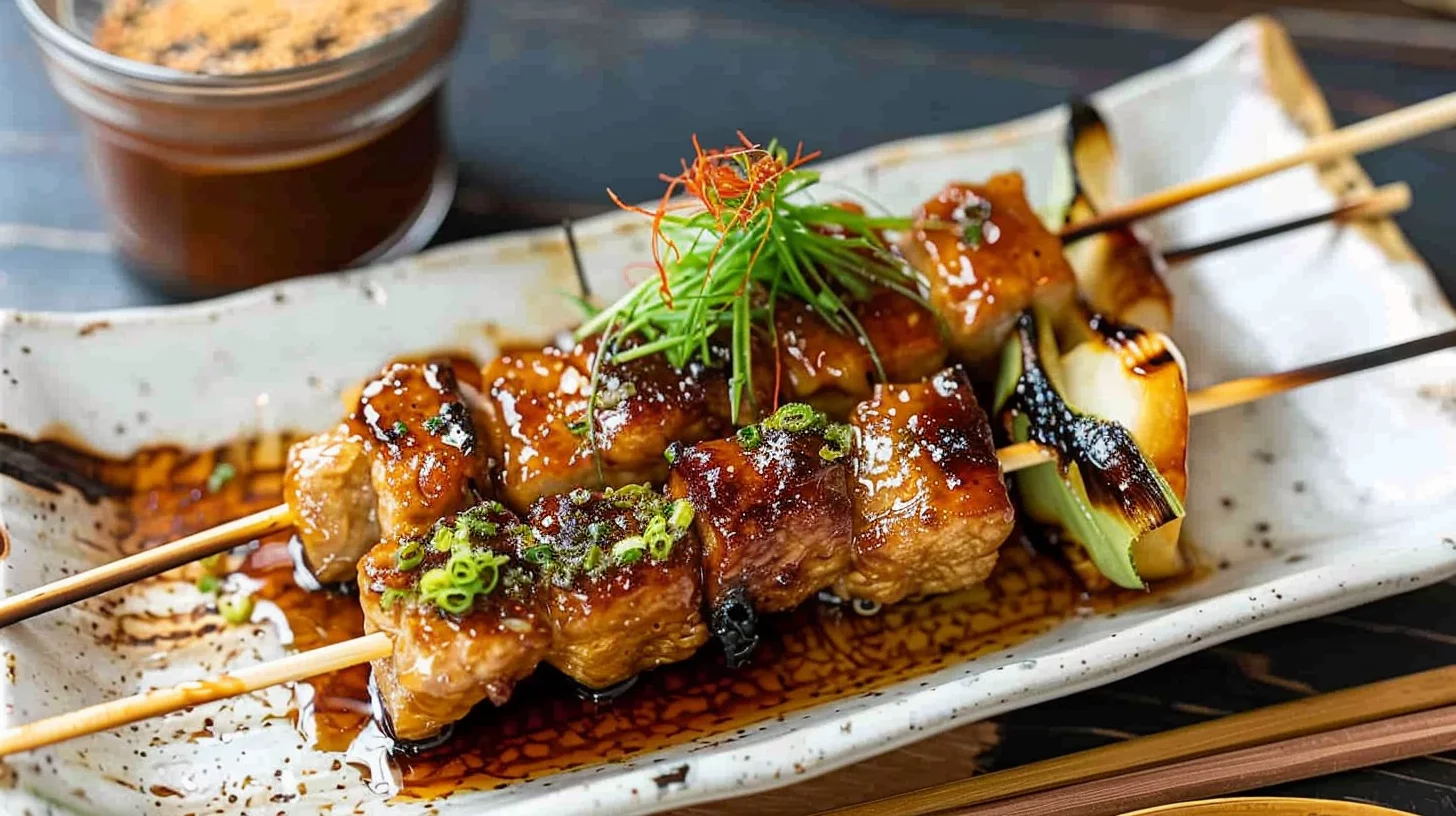
Yakitori
- Prep Time: 30 minutes
- Cook Time: 15 minutes
- Total Time: 45 minutes
- Yield: 4 servings
- Category: Main Course
- Method: Broiling, Frying
- Cuisine: Japanese
Description
Discover how to make delicious yakitori at home with our easy-to-follow recipe. Learn the secrets to perfectly grilled skewers packed with flavor!
Ingredients
- 1/2 cup (120 ml) soy sauce (use gluten-free soy sauce for GF)
- 1/2 cup (120 ml) apple juice
- 1/4 cup (60 ml) apple cider vinegar
- 1/4 cup (60 ml) water
- 2 tbsp (30 ml) brown sugar (packed and leveled off)
- 2 Tokyo negi (naga negi; long green onion) (or 9 green onions)
- 1 lb (450 g) boneless, skinless chicken thighs (at room temperature)
- vegetable oil (for brushing the wire rack)
- shichimi togarashi (Japanese seven spice) (optional; for a spicy kick)
Instructions
- Collect all necessary items. For this dish, I prefer teppogushi or “gun skewers” with a flat handle, available at Japanese stores or online. If unavailable, normal bamboo skewers work too.
- Submerge 10–12 bamboo skewers of 5 inches in water for half an hour (or at least 10 minutes while you prepare everything else).
- Separate the green sections of two Tokyo negi (naga negi) from the white and light green parts. Chop the white and light green sections into pieces of about 1¼ inches. Halve the green parts horizontally.
- Pour soy sauce, apple juice, apple cider vinegar, and water into a small pot.
- Incorporate brown sugar and the green sections of the Tokyo negi into the mixture.
- Increase the heat to bring it to a boil. Once boiling, lower the temperature and let it gently cook without a lid until the liquid reduces to a third of its starting volume, approximately 30 minutes. Allow it to cool down to room temperature before using. As it cools, the sauce thickens and becomes shiny. Note: You can prepare the sauce ahead of time. Remove the green onion, transfer it to a mason jar, and refrigerate for up to 2–3 months.
- Suggestion: If you wish to offer extra sauce with your yakitori, set aside one-third of it in a bowl for the final coating before serving. To avoid contamination, apply this set-aside sauce with a clean brush only after the chicken is thoroughly cooked.
- Dice the chicken thighs into squares of about 1¼ inches.
- On a flat surface, fold each chicken slice in half. Hold a skewer at a 45-degree angle and pierce the side of the folded chicken. Then, align the skewer parallel to the surface and thread it through completely, positioning it near the handle.
- Next, skewer a piece of Tokyo negi perpendicular to the skewer, placing it snugly against the chicken.
- Add another chicken piece, followed by another Tokyo negi piece.
- Finish with a chicken piece. Each skewer should hold three chicken slices and two Tokyo negi pieces.
- Cover a baking tray with aluminum foil for simple cleaning. Put a wire rack suitable for the oven on top. Brush the wire rack with vegetable oil to prevent sticking.
- Arrange the skewers on the rack in two lines, with the handles resting on the tray’s edges. Cover the top and bottom of the handles with folded aluminum foil strips to prevent burning.
- Set the broiler to High (550°F/288°C) with a rack in the middle of the oven, around 8 inches (20 cm) from the heat source. Allow the elements to heat up, taking about 3–5 minutes. Then, position the skewers under the broiler for 6 minutes. Tip: To broil, you manage the distance from the heat instead of adjusting the oven’s temperature, similar to using different heat zones on a grill.
- After 6 minutes, coat the chicken and Tokyo negi with the yakitori sauce.
- Carefully turn the skewers using tongs. Apply sauce to the other side. Continue broiling for 3–4 minutes to caramelize the sauce.
- Finally, flip once more for presentation. Brush with sauce, then broil for another 1–2 minutes. Take the tray out.
- Warm a large frying pan over medium heat. Once hot, add about 1 tablespoon of vegetable oil. When the oil is ready, lay the skewers in a single layer (you might need to do this in batches). Cook until each side is browned, approximately 5 minutes per side. Cover and cook on low for 2–3 minutes. Introduce the sauce to the pan and cook until both sides are well-coated. Remove from heat.
- Move the skewers to a serving dish with the presentation side up. Optionally, use a clean brush to add more reserved sauce on top. Serve with shichimi togarashi for extra flavor.
- Store leftovers in a sealed container in the refrigerator for up to 3 days or freeze for up to a month.
Notes
- For a gluten-free option, use gluten-free soy sauce in this recipe.
- Make sure to dice the chicken thighs into uniform squares for even cooking.
- To prevent burning, cover the skewer handles with aluminum foil while broiling.
Mastering Yakitori: A Culinary Journey
Fundamentals
The heart of yakitori lies in its simplicity and the quality of its ingredients. At the core, you’ll find tender chicken thighs and the distinct flavor of Tokyo negi, or long green onions. These components, when combined with a rich sauce made from soy sauce, apple juice, and apple cider vinegar, create a delectable balance of savory and sweet. Understanding these fundamental elements is key to mastering the art of yakitori.
Yakitori’s charm also comes from its versatility. Traditionally cooked over a charcoal grill, the skewers can also be adapted for an oven or stovetop, making it accessible to any home cook. The focus remains on achieving a perfect caramelization that enhances the natural flavors of the chicken and negi. As we delve deeper, you’ll discover how each step in the preparation process contributes to the final taste and texture.
Preparation/Setup
Before you begin, gather your ingredients and tools. If you’re using bamboo skewers, soak them in water for at least 10 minutes to prevent burning. Preparing the sauce is a crucial step, as it infuses the chicken and negi with depth and richness. Mix soy sauce, apple juice, apple cider vinegar, and water in a pot, then add brown sugar and the green parts of the Tokyo negi. Boil the mixture, then let it simmer until it reduces to a third of its original volume.
Once the sauce cools, it’s time to prepare the chicken and negi for skewering. Dice the chicken into uniform pieces, ensuring even cooking. Alternate between chicken and negi on each skewer, creating a visually appealing and flavorful combination. As you arrange the skewers on a wire rack, remember to brush it with vegetable oil to prevent sticking. These preparatory steps set the stage for a successful yakitori experience.
Crafting the Perfect Yakitori Skewers
Technique
The art of yakitori lies in its cooking technique. Whether using a broiler or grill, the goal is to achieve a perfect char that enhances the flavors. Position the skewers under the broiler, allowing them to cook evenly. After six minutes, brush the chicken and negi with the sauce, turning the skewers to coat both sides. This step ensures a rich, caramelized glaze that defines authentic yakitori.
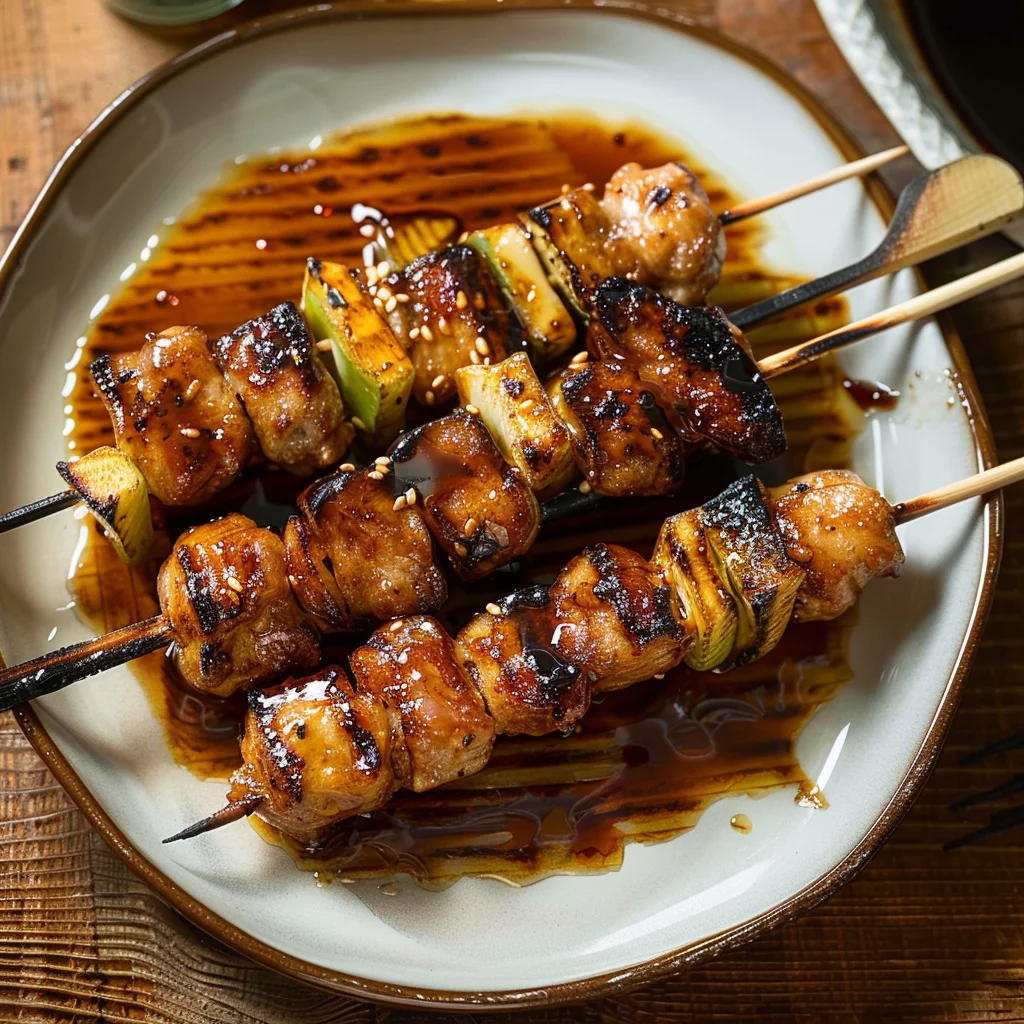
Yakitori
If you’re using a stovetop, heat a large frying pan over medium heat and add vegetable oil. Cook the skewers until each side is browned, then cover the pan to retain moisture. Introducing the sauce to the pan allows it to coat the skewers, creating a glossy finish. This technique, whether broiling or pan-frying, highlights the flexibility of yakitori and its ability to adapt to different cooking environments.
Tips/Tricks
For a successful yakitori, pay attention to the details. Ensure even spacing between the pieces on the skewers to promote consistent cooking. Use a clean brush to apply the sauce, avoiding cross-contamination. If you prefer a spicy kick, sprinkle shichimi togarashi over the finished skewers for an added layer of flavor.
Another trick is to prepare the sauce in advance. By storing it in a mason jar, you can have it on hand for future yakitori sessions, saving time and enhancing the dish’s depth. These small adjustments can make a significant difference, elevating your yakitori from simple skewers to a gourmet delight.
Perfecting Your Yakitori Experience
Perfecting Results
The key to perfect yakitori is balancing flavors and textures. Monitor the broiling or pan-frying process closely, adjusting the cooking time to prevent overcooking. The chicken should remain juicy, while the negi offers a slight crunch. Achieving this harmony ensures a satisfying bite every time.
Experimentation can also lead to perfection. Try different brands or types of soy sauce to discover your preferred flavor profile. Adjust the amount of brown sugar for a sweeter or more savory finish. These variations allow you to tailor the yakitori to your taste, making the dish uniquely yours.
Troubleshooting/Variations
If your yakitori turns out too dry, consider marinating the chicken in the sauce beforehand, adding moisture and flavor. For those seeking a gluten-free option, use gluten-free soy sauce without compromising taste. These adjustments accommodate dietary preferences while maintaining the dish’s essence.
The versatility of yakitori extends to its ingredients. While traditional recipes feature chicken and negi, feel free to explore other vegetables like bell peppers or mushrooms. These additions not only enhance the visual appeal but also introduce new flavors, expanding the yakitori experience.
Serving and Enjoying Yakitori
Serving/Presentation
Presentation plays a significant role in the yakitori experience. Arrange the skewers on a platter, showcasing the caramelized glaze and vibrant colors. A sprinkle of shichimi togarashi adds a decorative touch and an extra burst of flavor. These elements invite diners to savor the dish visually before tasting.
Consider serving yakitori alongside steamed rice or a simple salad, allowing its flavors to shine. The dish’s simplicity pairs well with various sides, creating a balanced meal that satisfies both the palate and the eyes. With thoughtful presentation, yakitori becomes more than a dish—it’s an experience.
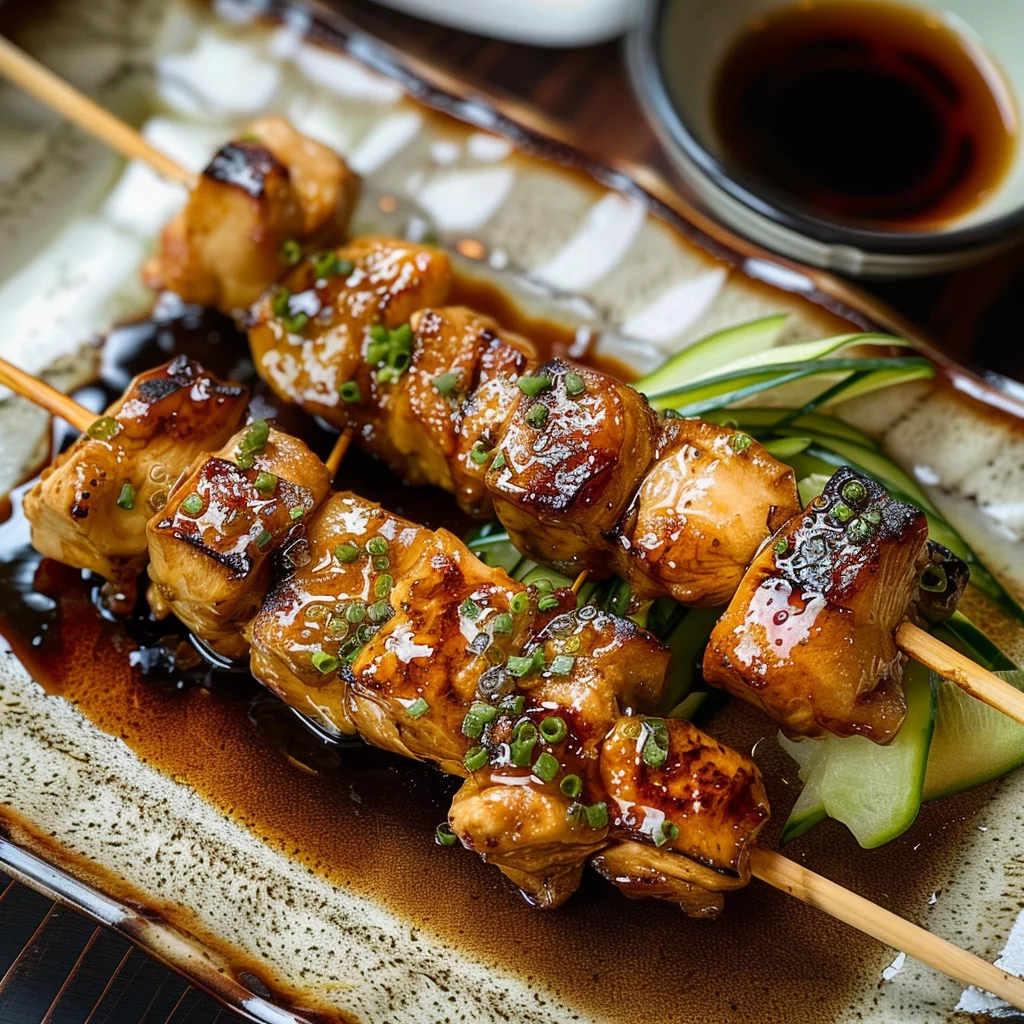
Yakitori
Pairings/Storage
Yakitori pairs beautifully with light, refreshing beverages that complement its savory notes. Green tea or a chilled ginger ale can enhance the dining experience, offering a palate-cleansing contrast. For storage, keep leftovers in a sealed container in the refrigerator for up to three days, or freeze them for later enjoyment.
When reheating, use a gentle method like steaming or microwaving to preserve the skewers’ texture. These storage tips ensure that yakitori remains delicious, whether enjoyed fresh or as a quick meal option on a busy day. With proper care, the flavors of yakitori can be savored long after the initial preparation.
Conclusion
Yakitori embodies the essence of simple, flavorful cooking that brings people together. By focusing on quality ingredients and straightforward techniques, anyone can master this delightful dish. With its balance of savory and sweet, yakitori offers a satisfying culinary experience that appeals to a wide range of tastes.
Whether you’re sharing it with family and friends or enjoying it as a personal treat, yakitori’s versatility and ease of preparation make it a valuable addition to any cook’s repertoire. Embrace the art of yakitori and discover the joy of creating a meal that transcends the ordinary, turning everyday moments into cherished memories.