
📑 Table of Contents ▶
Will It Focaccia
A simple focaccia can transform a meal, adding warmth and fragrance to any table. Many evenings involve a debate about what to cook. Focaccia often finds its way to the forefront, piquing curiosity and excitement. It’s not just about filling stomachs; it’s about engaging the senses and creating moments shared over bread.
Every time I knead dough, memories flood back. The aroma of freshly baked focaccia fills the kitchen, contrasting the tension of meal planning with its comforting familiarity. The dough rises in front of my eyes, just like those early cooking experiences shared with family. There’s something magical about working with flour and water that speaks to resilience and simplicity.
The thrill of wondering, "Will it focaccia?" lingers in the air. Kids watch as the dough expands, their eyes lighting up with anticipation. Everyone gathers around to enjoy the simple satisfaction of tearing off pieces and experimenting with toppings. Focused on creating that crusty exterior and soft interior, I remember that food is not just about sustenance; it’s about love, laughter, and connection.
As you dive into this recipe, embrace the process. Making focaccia is about rhythm and instinct. With a few basic ingredients and the right techniques, the question “Will it focaccia?” becomes a delightful reality.
Focaccia Fundamentals
Fundamentals
Focaccia might seem complex, but its beauty lies in its simplicity. Every artisanal bread starts with a solid foundation, and focaccia is no exception. Understanding that foundation is crucial for anyone eager to branch out into bread-making. The key ingredients—flour, water, yeast, and salt—each play an important role in developing flavor and texture.
The use of all-purpose flour creates a versatile dough. This flour balances structure with tenderness, allowing for a satisfying crunch upon baking. The warmth of the water brings the yeast to life, ensuring it wakes up happily and begins its fermentation magic. Remember, the yeast is your ally; it contributes not just to rising but also to the flavor.
When mixing salt with the flour, it’s essential to integrate these dry ingredients well. Salt enhances flavor and controls yeast activity, ensuring consistent results. A focus on these fundamentals sets the stage for an exceptional focaccia experience.
Preparation and Setup
Preparation is key to successful focaccia. Start by gathering all your ingredients and tools. You’ll need two cups of all-purpose flour, one cup of warm water, two teaspoons of active dry yeast, one teaspoon of salt, and one tablespoon of olive oil. Optional toppings can include herbs, tomatoes, and olives for added flavor.
Choose a large mixing bowl for the dough. This bowl allows ample space for the yeast to react and the dough to rise. Grease it lightly with olive oil to prevent sticking. Before beginning, ensure your oven is ready for a high temperature of 425°F (220°C). The warm environment will help the dough rise effectively, leading to that desired airy texture.
Warm the water first—not boiling but pleasantly warm to the touch. Mixing the yeast into the warm water ignites its power, allowing it to froth and frolic while you prepare the flour.
Ingredients
The ingredient list for focaccia is both straightforward and accessible. Collect:
- 2 cups all-purpose flour
- 1 cup warm water
- 2 teaspoons active dry yeast
- 1 teaspoon salt
- 1 tablespoon olive oil
- Optional toppings: herbs, tomatoes, olives
Each ingredient complements the others, allowing for creativity with toppings while staying true to the traditional loaf.
Directions
Follow these steps to create your focaccia:
- In a bowl, mix the warm water and yeast. Let it sit for 5 minutes until frothy.
- In a large mixing bowl, combine the flour and salt.
- Add the yeast mixture and olive oil to the flour and mix until a dough forms.
- Knead the dough for about 5-10 minutes until smooth.
- Place the dough in a greased bowl, cover it, and let it rise in a warm place for about 1 hour or until doubled in size.
- Preheat the oven to 425°F (220°C).
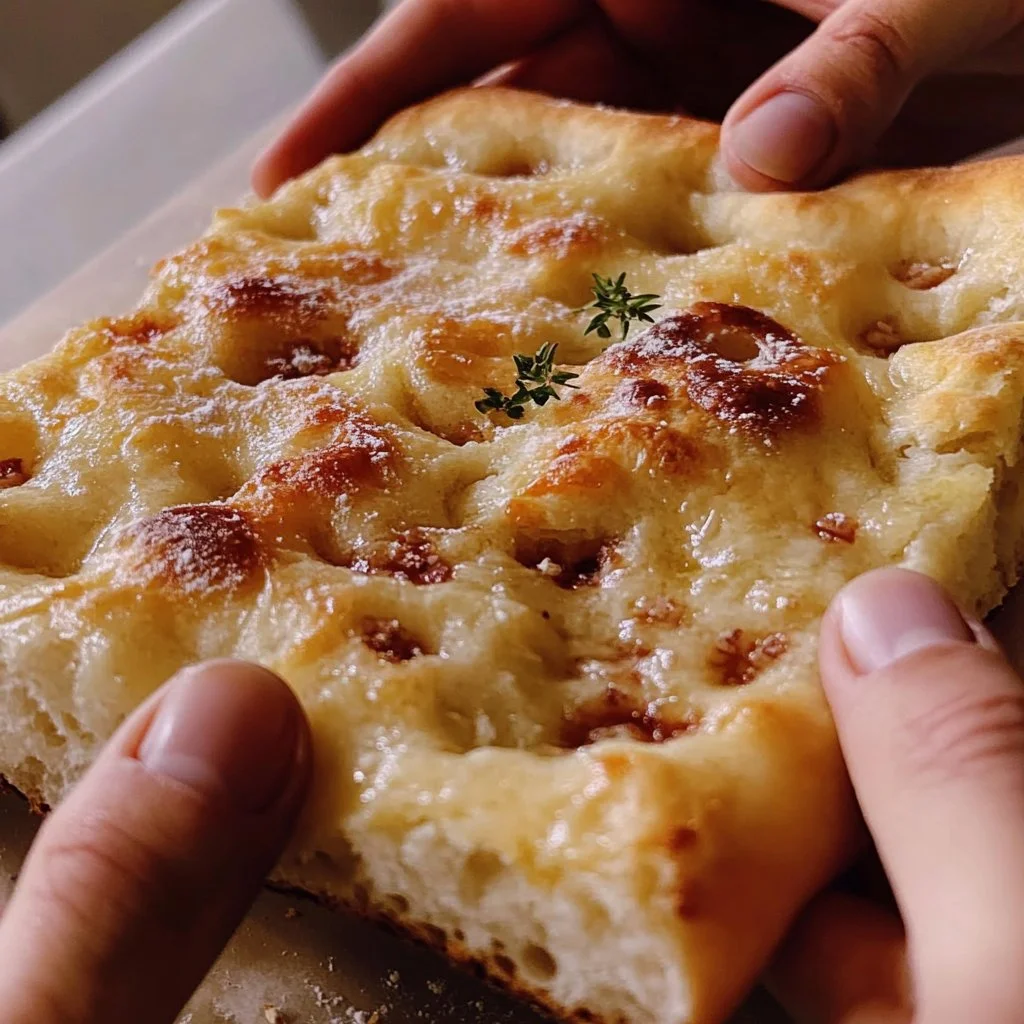
- Spread the dough onto a baking sheet and use your fingers to create dimples.
- Add your desired toppings.
- Bake for about 20-25 minutes or until golden brown.
- Let it cool slightly before slicing and serving.

Focaccia Techniques
Technique
Technique plays a pivotal role when making focaccia. The kneading process is where magic happens. By kneading the dough, you develop gluten, which provides structure and chewiness to the final product. Aim for a smooth, elastic dough; don’t rush this step. Properly kneading creates a better, airy texture.
Another important technique is shaping the dough. Once you spread it onto the baking sheet, gently using your fingers to create dimples not only looks beautiful but helps catch oil, toppings, and flavor. Ensure a light touch; you want to retain air pockets within the dough for that perfect rise.
Tips and Tricks
To elevate your focaccia-making experience, consider these tips. First, working in a warm kitchen encourages yeast activity. If your kitchen is too cold, you may struggle to achieve proper rising.
Next, explore toppings creatively. Fresh herbs, slices of tomatoes, or olives add flavor and visual appeal. Consider using flaky sea salt on top for an extra pop of flavor and added texture.
Lastly, embrace the cooling process. While it’s tempting to dig in right away, letting the bread cool slightly allows the interior to set. This step ensures a better texture when slicing.
Focaccia Variations
Perfecting Results
Perfecting focaccia involves understanding rising times and baking temperatures. Every oven is unique, so monitor your focaccia as it bakes. Look for a golden-brown crust and that delightful aroma wafting through your kitchen.
Also, don’t be afraid to adapt the dough. For an even more flavorful result, try adding garlic powder or herbs directly into the dough during mixing. This technique infuses flavor throughout, enhancing the enjoyment of every bite.
Troubleshooting and Variations
Occasionally, things may go awry. If your focaccia comes out dense, it’s possible the dough did not rise sufficiently. Make sure the yeast is fresh and active, and consider letting it rise longer if needed.
Should you desire variations, try altering the toppings. Sprinkle on cheese for a savory twist or create a sweet version with chopped fruits and a dash of cinnamon. Experimenting offers an opportunity to make this bread your own.
Focaccia Serving and Storage
Serving and Presentation
Once baked, serve focaccia warm or at room temperature. Slice it into squares or tear pieces to share. Pair it with olive oil for dipping or alongside your favorite soups and salads to enhance any meal.
Presentation matters; consider arranging focaccia on a wooden board for a rustic feel. Garnish with fresh herbs to elevate its aesthetic.
Pairings and Storage
Focaccia pairs beautifully with an array of dishes. Serving it with hearty soups or stews complements rich flavors. It also works well as a standalone snack with dips, offering versatility that fits any occasion.
For storage, wrap cooled focaccia in plastic wrap or aluminum foil to maintain moisture. Store it at room temperature for 2-3 days or freeze it for extended shelf life. Enjoy it by reheating in the oven to restore that fresh-baked texture.
In your exploration of homemade focaccia, you’ll discover an enjoyable experience awaiting you in the kitchen. Whether you seek a satisfying side dish or a standalone delight, the journey of making focaccia connects you to history, family, and the joy of cooking. The answer to "Will it focaccia?" is a resounding yes!
Print
Will It Focaccia
- Prep Time: 15 minutes
- Cook Time: 25 minutes
- Total Time: 40 minutes
- Yield: 4 servings
- Category: Side Dish
- Method: Baking
- Cuisine: Italian
- Diet: Vegetarian
Description
A simple yet delightful focaccia recipe that brings warmth and flavor to any meal while creating memorable moments around the table.
Ingredients
- 2 cups all-purpose flour
- 1 cup warm water
- 2 teaspoons active dry yeast
- 1 teaspoon salt
- 1 tablespoon olive oil
- Optional toppings: herbs, tomatoes, olives
Instructions
- In a bowl, mix the warm water and yeast. Let it sit for 5 minutes until frothy.
- In a large mixing bowl, combine the flour and salt.
- Add the yeast mixture and olive oil to the flour and mix until a dough forms.
- Knead the dough for about 5-10 minutes until smooth.
- Place the dough in a greased bowl, cover it, and let it rise in a warm place for about 60 minutes or until doubled in size.
- Preheat the oven to 425°F (220°C).
- Spread the dough onto a baking sheet and use your fingers to create dimples.
- Add your desired toppings.
- Bake for about 20-25 minutes or until golden brown.
- Let it cool slightly before slicing and serving.
Notes
For best results, allow the bread to cool slightly before slicing for optimal texture.