
📑 Table of Contents ▶
Sourdough Bread
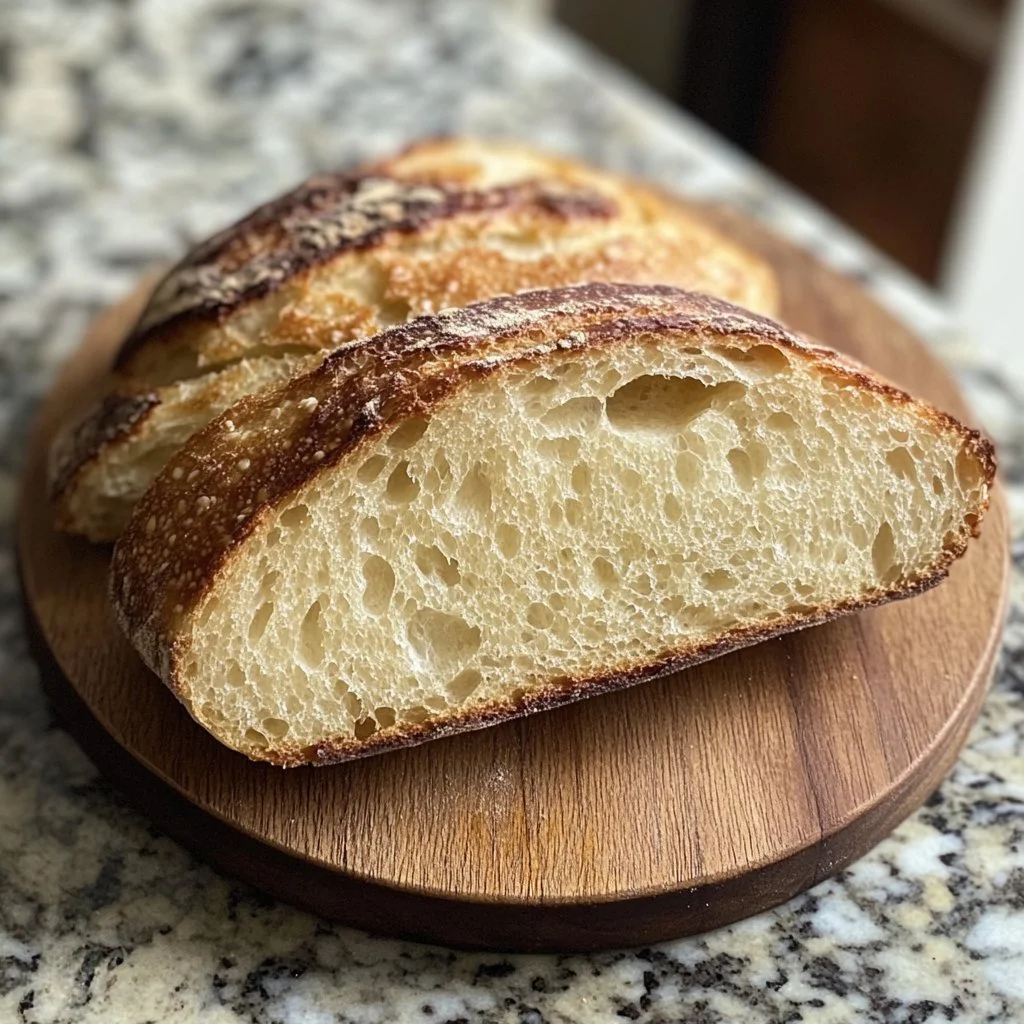
Creating a perfect loaf of sourdough bread connects one to the age-old tradition of bread-making. Each time I prepare sourdough, I feel a sense of nostalgia, remembering the warm, crusty loaves of my childhood. It’s remarkable how the simple act of mixing flour, water, and a bit of starter can transform into something inviting and flavorful.
Sourdough bread nurtures both the stomach and the soul. The aroma wafting through the house while it bakes brings back memories of family gatherings and laughter around the dining table. This bread has that magical ability to elevate ordinary meals into precious occasions.
Armed with just a few core ingredients, you can embark on this culinary adventure. Sourdough brings not only nourishment but also satisfaction from creating something meaningful with your own hands. Follow these steps carefully, and soon you will master the art of sourdough bread-making.
A Deep Dive into Sourdough Bread
Fundamentals
Understanding the fundamentals of sourdough bread lays the groundwork for delicious baking. At its core, sourdough relies on a natural fermentation process that occurs when wild yeast in the starter interacts with the flour and water. This fermentation process develops complexities of flavor and creates that delightful texture distinct to sourdough.
When working with sourdough, patience plays a vital role. This isn’t just a recipe; it’s a journey that unfolds over time. As you mix ingredients and watch the dough rise, you embrace a transformative process that always excites. The smell of bread baking transports us, connecting us to traditions and simple pleasures.
Preparation/Setup
Preparation starts with gathering your ingredients. You need 100g of active sourdough starter to kick things off. Your sourdough starter forms the backbone of flavor and texture in your loaf. It’s important to ensure it’s bubbly and ready to work its magic.
Next, warm water at around 105–110F helps awaken the yeast. Add this to your large bowl along with the starter. As you mix these components, feel the excitement build. Incorporate 1 tablespoon of extra virgin olive oil, giving the dough a richness that enhances both flavor and texture.
You’ll also need fine sea salt and white bread flour, meticulously chosen for its high protein content — 12% or more ensures you create a strong gluten structure. Mix these ingredients together, and you will soon feel your dough come together beautifully.
Ingredients
Here’s what you need for a wonderful loaf of sourdough bread:
- 100g active sourdough starter
- 390ml warm water (105/110F)
- 1 tablespoon (15ml) extra virgin olive oil
- 2 teaspoons (10g) fine sea salt
- 500g white bread flour (12% protein content or higher)
Each ingredient plays a significant role in the final product. The sourdough starter brings tanginess, while the warm water helps activate the yeast. The olive oil adds moisture, the salt enhances flavor, and the flour provides the structure necessary for a stunning rise.
Directions
- In a large bowl, mix the sourdough starter with warm water.
- Add the olive oil, sea salt, and flour.
- Combine until a dough forms.
- Knead the dough on a floured surface for about 10 minutes until smooth.
- Place the dough in a lightly oiled bowl, cover, and let it rise until doubled in size (about 1-2 hours).
- Preheat the oven to 220C/430F.
- Shape the dough and place it in a baking dish or on a baking sheet.
- Bake for 22-25 minutes on the lowest rack of the oven for a crisp base.
Mastering Your Sourdough Technique
Technique
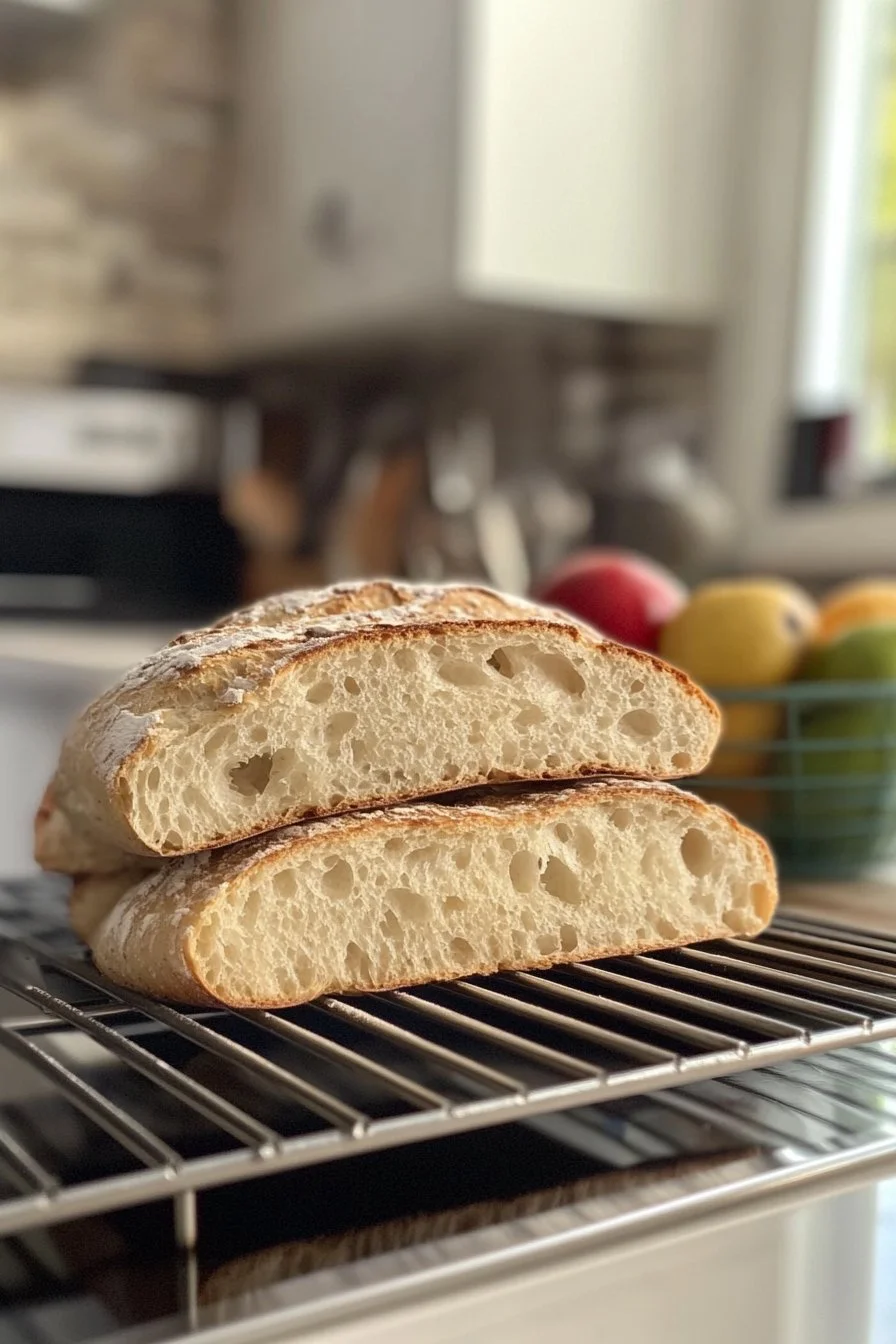
Perfecting the technique of sourdough bread-making requires practice and attention to detail. After kneading your dough, shape it carefully for the best results. You want to create surface tension, which helps the loaf rise beautifully. A well-shaped loaf will hold its form during the final proofing and baking stages.
Allowing your dough to rise until it doubles in size is essential. This signifies that fermentation has occurred, creating the little bubbles that give sourdough its characteristic texture. Don’t rush this step. Embrace the waiting, as it allows the flavor to develop fully.
Tips/Tricks
To truly excel at sourdough baking, consider these tips:
- Maintain a consistent temperature for proofing, ideally between 75-80°F. This warmth helps the yeast thrive.
- If your dough feels too sticky during kneading, keep the surface floured. A well-hydrated dough is crucial, but you can adjust as needed.
- Keep an eye on the clock, but also trust your instincts. Especially with sourdough, you want to gauge readiness by the dough’s response rather than strictly adhering to a timer.
Applying these techniques will enhance your sourdough experience and pave the way for successful loaves.
Perfecting Your Sourdough Bread Results
Perfecting Results
With a solid foundation in technique, you’ll be well-equipped to perfect your sourdough. Focus on achieving that beautiful crust, which comes from both baking at the right temperature and initially introducing steam in the oven. A pan filled with water placed below your baking bread can accomplish this effectively.
Allowing your bread to cool completely before slicing is crucial to ensure that all the moisture settles within the loaf. This ensures that each slice contains the delightful texture you worked so hard to create.
Troubleshooting/Variations
Let’s tackle common problems you might encounter. A dense loaf can result from under-kneading or insufficient fermentation time. To remedy this, ensure you knead thoroughly and give the dough enough time to rise and develop.
If your bread fails to rise, check the activity of your sourdough starter. An active starter can make all the difference. Adjust the fermentation times based on your kitchen’s temperature and humidity. Conditions can vary dramatically and affect your process.
Experimenting with variations adds a personal touch to your sourdough. Consider incorporating seeds or herbs to introduce intriguing flavors. A little creativity goes a long way in making this recipe uniquely yours.
Serving Your Sourdough with Love
Serving/Presentation
When serving your sourdough, cut the loaf into generous slices, relieving the anticipation that builds during the cooling phase. The rustic appearance of crusty, golden-brown bread brings a sense of warmth to your table. Layer slices with butter, avocado, or your favorite spread for an inviting presentation.
Serving your sourdough bread with care enhances the overall experience. When arranged on a wooden cutting board or a bread basket, it invites everyone to gather around and share a slice of goodness.
Pairings/Storage
Pair your freshly baked sourdough with a variety of flavors. Enjoy it with soups, salads, or hummus for a delightful meal. The hearty texture complements numerous dishes, making it a versatile addition to any table.
For storage, keep your sourdough in a paper bag or wrapped in a clean kitchen towel to maintain its crust. Avoid using plastic, as it traps moisture and causes the bread to become soggy.
By understanding how to properly store your sourdough, you ensure that every slice remains enjoyable long after baking.
Sourdough bread represents a beautiful blend of science and art. With each bake, this method allows you to explore flavors and textures while creating something utterly satisfying. Embrace the journey, enjoy every moment, and ultimately, share the fruits of your labor with those you love.
Print
Sourdough Bread
- Prep Time: 15 minutes
- Cook Time: 25 minutes
- Total Time: 40 minutes
- Yield: 1 loaf
- Category: Bread
- Method: Baking
- Cuisine: American
- Diet: Vegetarian
Description
A nostalgic and flavorful sourdough bread recipe that connects you to the traditions of bread-making.
Ingredients
- 100g active sourdough starter
- 390ml warm water (105-110F)
- 1 tablespoon (15ml) extra virgin olive oil
- 2 teaspoons (10g) fine sea salt
- 500g white bread flour (12% protein content or higher)
Instructions
- In a large bowl, mix the sourdough starter with warm water.
- Add the olive oil, sea salt, and flour.
- Combine until a dough forms.
- Knead the dough on a floured surface for about 10 minutes until smooth.
- Place the dough in a lightly oiled bowl, cover, and let it rise until doubled in size (about 1-2 hours).
- Preheat the oven to 220C/430F.
- Shape the dough and place it in a baking dish or on a baking sheet.
- Bake for 22-25 minutes on the lowest rack of the oven for a crisp base.
Notes
Allow the bread to cool completely before slicing to ensure the best texture. For a crisp crust, consider placing a pan of water in the oven while baking.