
📑 Table of Contents ▶
- Understanding Beef Brisket and the Art of Slow Cooking
- Fundamentals
- Preparation/Setup
- Directions
- Techniques to Enhance Your Beef Brisket
- Technique
- Tips/Tricks
- Perfecting Your Slow Cooker Beef Brisket
- Perfecting Results
- Troubleshooting Variations
- Serving Suggestions and Storage Tips
- Serving/Presentation
- Pairings/Storage
Slow Cooker Beef Brisket: 1 Secret for Tender Bliss
Finding a way to create a melt-in-your-mouth beef brisket can feel like a well-guarded secret. The other day, I reminisced about family gatherings where a tender brisket stole the show. Those moments always brought everyone together, and the aroma alone could entice even the pickiest eaters.
Slow-cooked beef brisket is a dish that reaches deep into tradition. The method of cooking not only allows the flavors to meld beautifully but transforms a tough cut of meat into an incredibly tender delight. Many believe the key to achieving this bliss lies in slow cooking, using simple yet flavorful ingredients.
In my slow cooker journey, I discovered the magic lies not just in the meat but in the combination of seasoning and cooking time. By slowly simmering the brisket, the flavors intensify, and the tenderness amplifies. Understanding the fundamentals of crafting a perfect brisket has empowered many home cooks to impress their loved ones, making them believe that tender bliss is not just a dream but a reality they can create at home.
Understanding Beef Brisket and the Art of Slow Cooking
Fundamentals
Beef brisket presents a unique opportunity for amateur and seasoned cooks alike. It stands as an affordable yet impressive centerpiece for gatherings. Many cuts of beef can feel overwhelming, but brisket, with its rich history, becomes approachable.
This cut comes from the breast, showcasing a fascinating blend of muscle and fat. The fat content plays a crucial role in moisture retention during cooking. Slow cooking brisket helps render this fat, leading to juices that make every bite heavenly. Understanding this makes it clear why slow cooking is the preferred method.
Slow cooking allows the flavors to develop over several hours. This technique results in the meat absorbing the seasonings while achieving that sought-after tenderness. With the right approach, anyone can craft a brisket that draws friends and family around the table.
Preparation/Setup
To perfectly prepare your slow cooker brisket, start with a few key tasks. Begin by gathering your ingredients:
- 3-4 pound beef brisket
- 1 onion, sliced
- 3 cloves garlic, minced
- 1 cup beef broth
- 1/2 cup barbecue sauce
- 2 tablespoons Worcestershire sauce
- 1 tablespoon brown sugar
- 1 teaspoon smoked paprika
- 1/2 teaspoon salt
- 1/4 teaspoon black pepper
The setup begins with laying the sliced onions at the bottom of the slow cooker. This bed of onions acts not just as a flavor enhancer but also provides a barrier, preventing the brisket from sticking.
Next, trim any excess fat from the brisket. Placing the trimmed brisket directly on top of the onions creates a savory base. Remember, a little fat can enhance moisture, but too much can leave an unwanted greasy finish.
Ingredients
For a memorable slow cooker beef brisket, ensure you have quality ingredients. A well-chosen brisket can elevate the dish significantly. Opt for a well-marbled cut for maximum tenderness.
Onions and garlic work together to create a fragrant foundation for the sauce. The combination of barbecue sauce and Worcestershire sauce introduces complementary flavors, bringing complexity to your meal. The brown sugar and smoked paprika add sweetness and depth, while salt and pepper offer essential seasoning.
Directions
To make this delightful brisket, follow these simple steps:
- Place the sliced onion in the bottom of your slow cooker.
- Trim excess fat from the beef brisket and place it on top of the onions.
- In a small bowl, whisk together the beef broth, barbecue sauce, Worcestershire sauce, brown sugar, smoked paprika, salt, and black pepper.
- Pour the sauce mixture over the brisket in the slow cooker.
- Cover and cook on low for 8-10 hours, or until the brisket is very tender.
- Carefully remove the brisket from the slow cooker and let it rest for 15-20 minutes before slicing against the grain.
- Shred or slice the brisket and serve with the reserved cooking liquid.
Techniques to Enhance Your Beef Brisket
Technique
Perfecting the art of slow cooker beef brisket revolves around understanding and applying specific techniques. A slow cooker functions beautifully by trapping moisture and heat, cooking the brisket evenly. This means less risk of dry or unevenly cooked meat.
As you choose your cooking method, consider the time options. Using the low setting for 8-10 hours will yield incredibly tender results. Patience pays off with brisket, so resist the temptation to rush the process.
Another technique to enhance your brisket involves searing. Although this recipe focuses on slow cooking, searing the brisket on a stovetop adds a layer of flavor. This browning process creates a rich Maillard reaction, boosting the overall taste of the brisket.
Tips/Tricks
There are numerous tips that can enhance your slow cooker brisket experience. One significant factor is seasoning. Allow the brisket to marinate with salt for at least an hour before cooking. This draws moisture to the surface, improving both flavor and texture.
Using a quality beef broth can elevate the depth of flavor. Opt for low-sodium versions to maintain control over the seasoning. For those who like a little kick, adding cayenne pepper to the mix can provide a delightful heat.
Remember to let the brisket rest after cooking. This period allows the juices to redistribute back into the meat, providing every slice or shred with flavorful moisture.
Perfecting Your Slow Cooker Beef Brisket
Perfecting Results
When aiming for perfect results, timing is key. Monitoring your cooking time ensures the brisket reaches that tender state without overcooking. It’s paramount to check in around the 8-hour mark, although 10 hours often leads to perfect tenderness.
Slice against the grain for the most tender bites. This technique breaks up the muscle fibers, allowing for easier chewing. Resting the brisket also plays a role in maintaining juiciness; don’t skip this essential step.
Experimenting with your slow cooker can lead to delightful surprises. Each model may have slight differences, affecting cooking times and results. Trust your instincts as you develop your signature brisket recipe.
Troubleshooting Variations
Sometimes, things may not go as planned. If you find your brisket isn’t as tender as you envisioned, consider extending the cooking time. Some cuts may simply require more time to break down.
Adjusting the cooking liquid can also improve outcomes. If you find the sauce too thin, remove the brisket near the end of the cooking time and reduce the liquid by cooking it on high for a short period.
For variations, consider different barbecue sauces or spices. Each adjustment presents an opportunity to create new flavor profiles.Overall, remain open to experimentation as you refine your brisket cooking skills.
Serving Suggestions and Storage Tips
Serving/Presentation
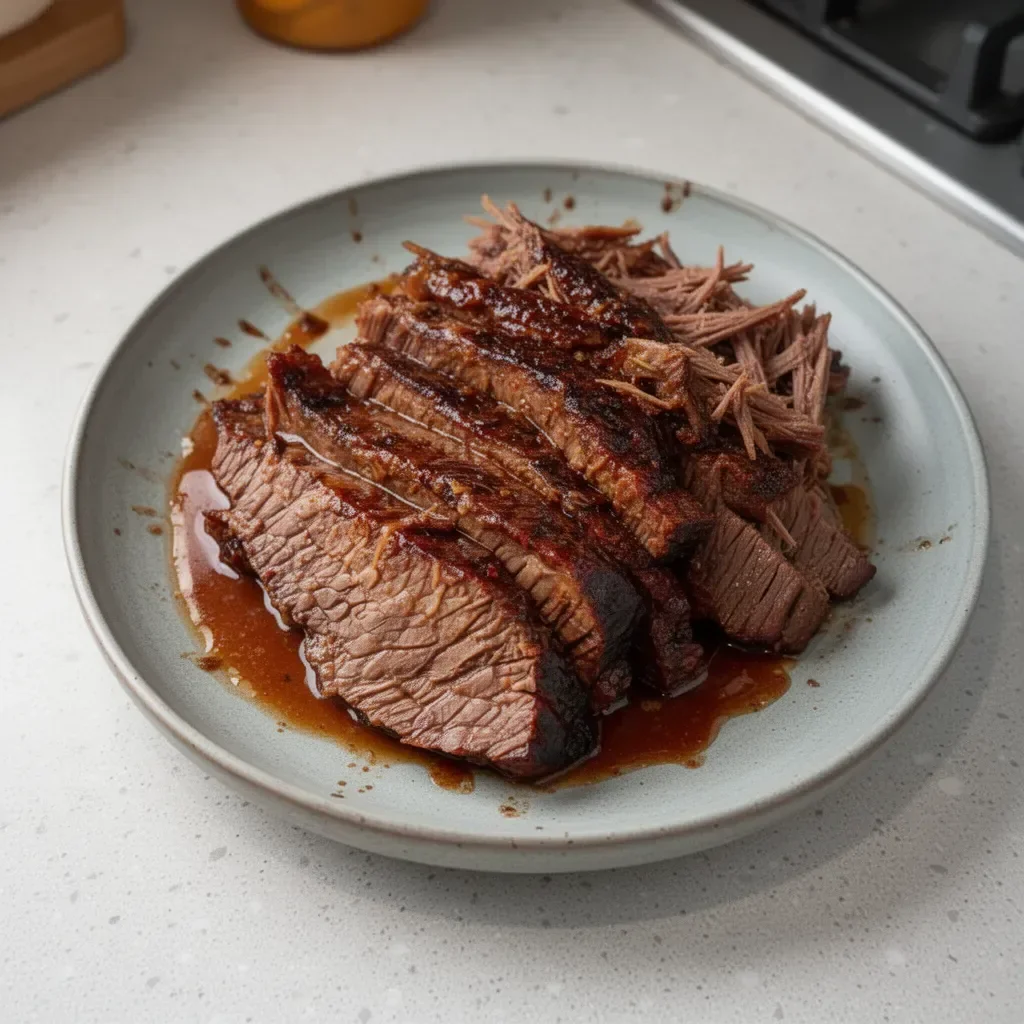
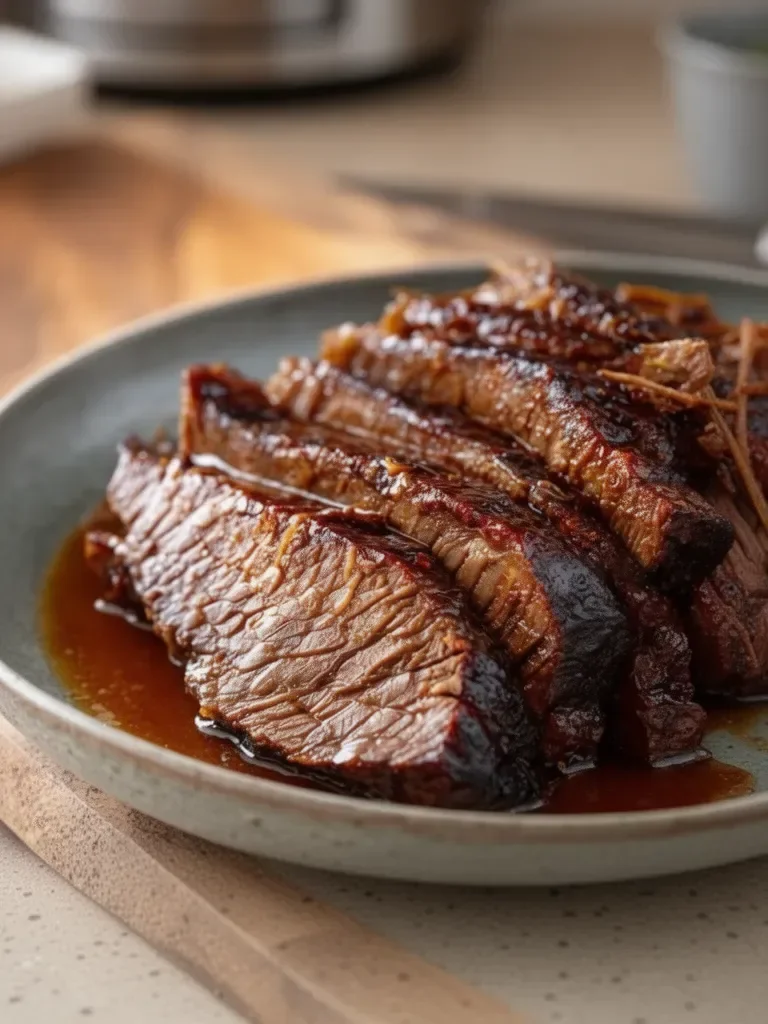
Presenting your slow cooker beef brisket can elevate any meal. Slice or shred your brisket and serve it generously with the cooking liquid. This flavorful sauce adds a beautiful gloss and elevates the dish.
Pairing brisket with homestyle sides often creates a comforting experience. Consider classic options like mashed potatoes or coleslaw, which complement the savory qualities of the brisket.
It’s also great served in sandwiches. Pile slices of brisket high on a fresh bun with favorite toppings for a delightful twist. Incorporating different sides keeps the meal fresh and puts a fun spin on enjoying brisket.
Pairings/Storage
When it comes to storing brisket, allow it to cool completely before refrigerating. Store leftovers in an airtight container to maintain quality. Properly stored, brisket can last 3-4 days in the fridge.
For longer storage, consider freezing portions. Wrap the brisket tightly in plastic before placing it in a freezer-safe container. When properly stored, brisket can keep for several months.
Reheating is simple; just add a splash of broth to prevent drying out. Whether you reheat in the oven or microwave, ensure the brisket reaches a safe temperature before enjoying it again.
Every cook knows the joy that a well-prepared meal brings. Slow cooker beef brisket achieves that serene happiness with a signature flavor that sings from the first bite to the last. Each step, from preparation to serving, brings a richness that creates memories around the table.
This cherished dish holds a special place in every kitchen and invites everyone to share in the experience, bringing families together over tender bliss.
Print
Slow Cooker Beef Brisket
- Prep Time: 15 minutes
- Cook Time: 600 minutes
- Total Time: 615 minutes
- Yield: 8 servings
- Category: Main Course
- Method: Slow Cooker
- Cuisine: American
- Diet: None
Description
A melt-in-your-mouth slow-cooked beef brisket that brings families together with its tender and flavorful goodness.
Ingredients
- 3-4 pound beef brisket
- 1 onion, sliced
- 3 cloves garlic, minced
- 1 cup beef broth
- 1/2 cup barbecue sauce
- 2 tablespoons Worcestershire sauce
- 1 tablespoon brown sugar
- 1 teaspoon smoked paprika
- 1/2 teaspoon salt
- 1/4 teaspoon black pepper
Instructions
- Place the sliced onion in the bottom of your slow cooker.
- Trim excess fat from the beef brisket and place it on top of the onions.
- In a small bowl, whisk together the beef broth, barbecue sauce, Worcestershire sauce, brown sugar, smoked paprika, salt, and black pepper.
- Pour the sauce mixture over the brisket in the slow cooker.
- Cover and cook on low for 8-10 hours, or until the brisket is very tender.
- Carefully remove the brisket from the slow cooker and let it rest for 15-20 minutes before slicing against the grain.
- Shred or slice the brisket and serve with the reserved cooking liquid.
Notes
Allow the brisket to marinate with salt for at least an hour before cooking for enhanced flavor and texture.