
📑 Table of Contents ▶
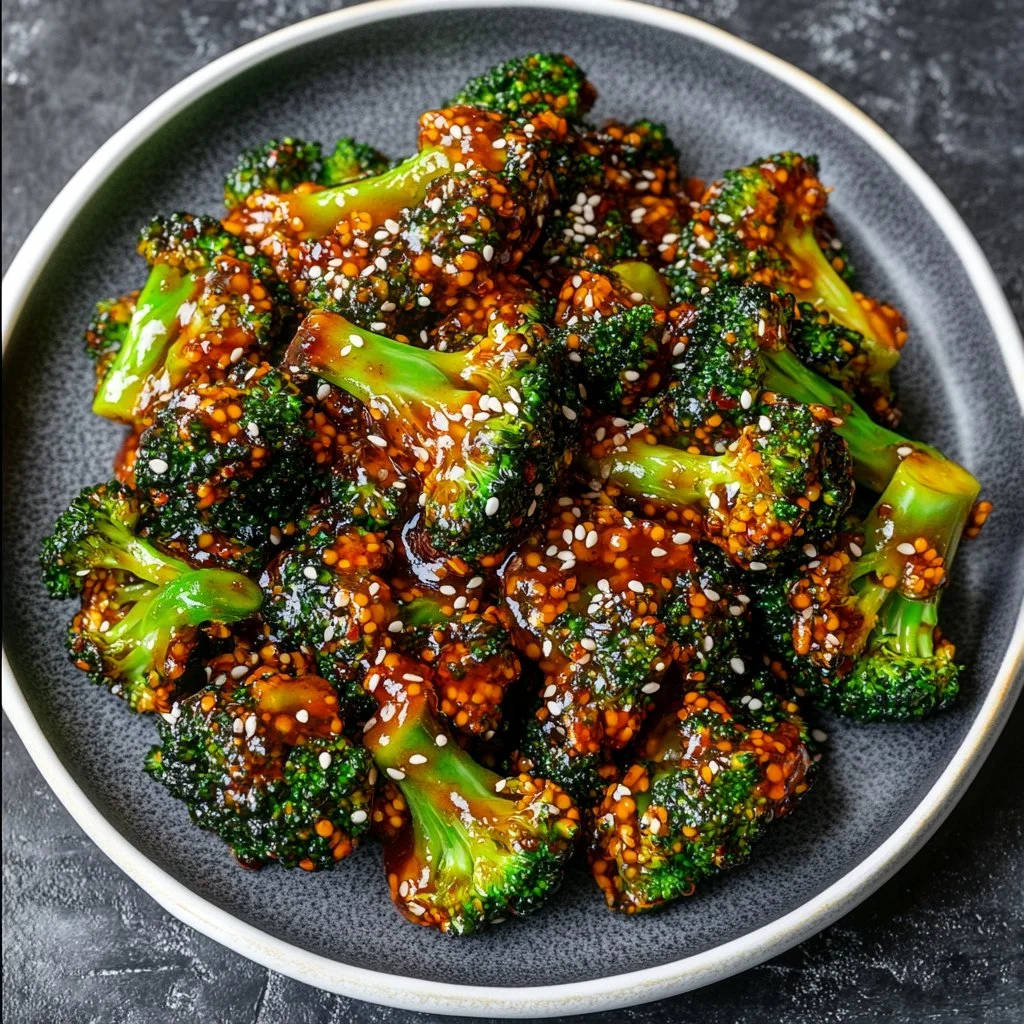
Gochujang Broccoli
Cooking has always been a celebration in my household, one that resonates deeply with my soul. I often recall my grandmother skillfully preparing an array of vegetables, transforming them into mouthwatering dishes with ease. Among her favorites was broccoli. The vibrant green florets would come alive with flavors, bringing joy to our dinner table.
One day, while experimenting in my kitchen, I stumbled upon gochujang. This Korean chili paste burst with savory, spicy notes and fascinated me immediately. I decided to mix it with roasted broccoli for a new twist on a classic dish. The result? An explosion of heavenly flavor that turned broccoli, often seen as mundane, into the star of the meal.
This experience solidified my love for combining simple ingredients in unexpected ways. Gochujang broccoli became a staple in my home, a dish that not only pleases the palate but also nourishes the heart. Each bite carries a story, a memory of my grandmother’s kitchen, revitalized with fiery enthusiasm.
Gochujang Broccoli: The Essentials
Fundamentals
The inspiration behind gochujang broccoli comes from the desire to elevate a simple vegetable into a standout dish. Broccoli is already nutritious, packed with vitamins and antioxidants, but enhancing its flavor profile opens new culinary horizons. Gochujang brings an intense umami flavor that, when balanced with olive oil and soy sauce, turns roasted broccoli into something remarkable.
When you roast broccoli at high temperatures, it caramelizes beautifully, transforming its natural sugars into a sweet, nutty flavor while maintaining its crunch. The addition of gochujang creates layers of flavor that deepen as the broccoli cooks. Knowing how to combine these elements thoughtfully is crucial for achieving the best results.
Preparation/Setup
Let’s set the scene. Preheat your oven to a sizzling 425°F (220°C). Make sure your baking sheet is ready to accept those vibrant broccoli florets, as they will soon transform into a delectable dish. Working with limited ingredients can feel daunting, but with gochujang broccoli, you need just a few essential components to create something extraordinary.
You will start by mixing the gochujang with olive oil, soy sauce, and a pinch of salt. If you wish, add honey for an extra sweet note that beautifully contrasts with the heat. This marinade will ensure each floret is well coated, intensifying the flavor when roasted.
Ingredients
To craft this delightful dish, gather the following ingredients:
- 1 lb broccoli florets
- 2 tablespoons gochujang
- 2 tablespoons olive oil
- 1 tablespoon soy sauce
- 1 tablespoon honey (optional)
- Salt to taste
- Sesame seeds for garnish
These ingredients come together harmoniously to create a dish that is fiery, savory, and slightly sweet, showcasing the remarkable versatility of broccoli.
Directions
- Preheat the oven to 425°F (220°C).
- In a large bowl, mix gochujang, olive oil, soy sauce, honey, and salt.
- Add broccoli florets to the bowl and toss until well coated.
- Spread broccoli on a baking sheet in a single layer.
- Bake for 15-20 minutes or until crispy and slightly charred.
- Remove from the oven and sprinkle with sesame seeds before serving.
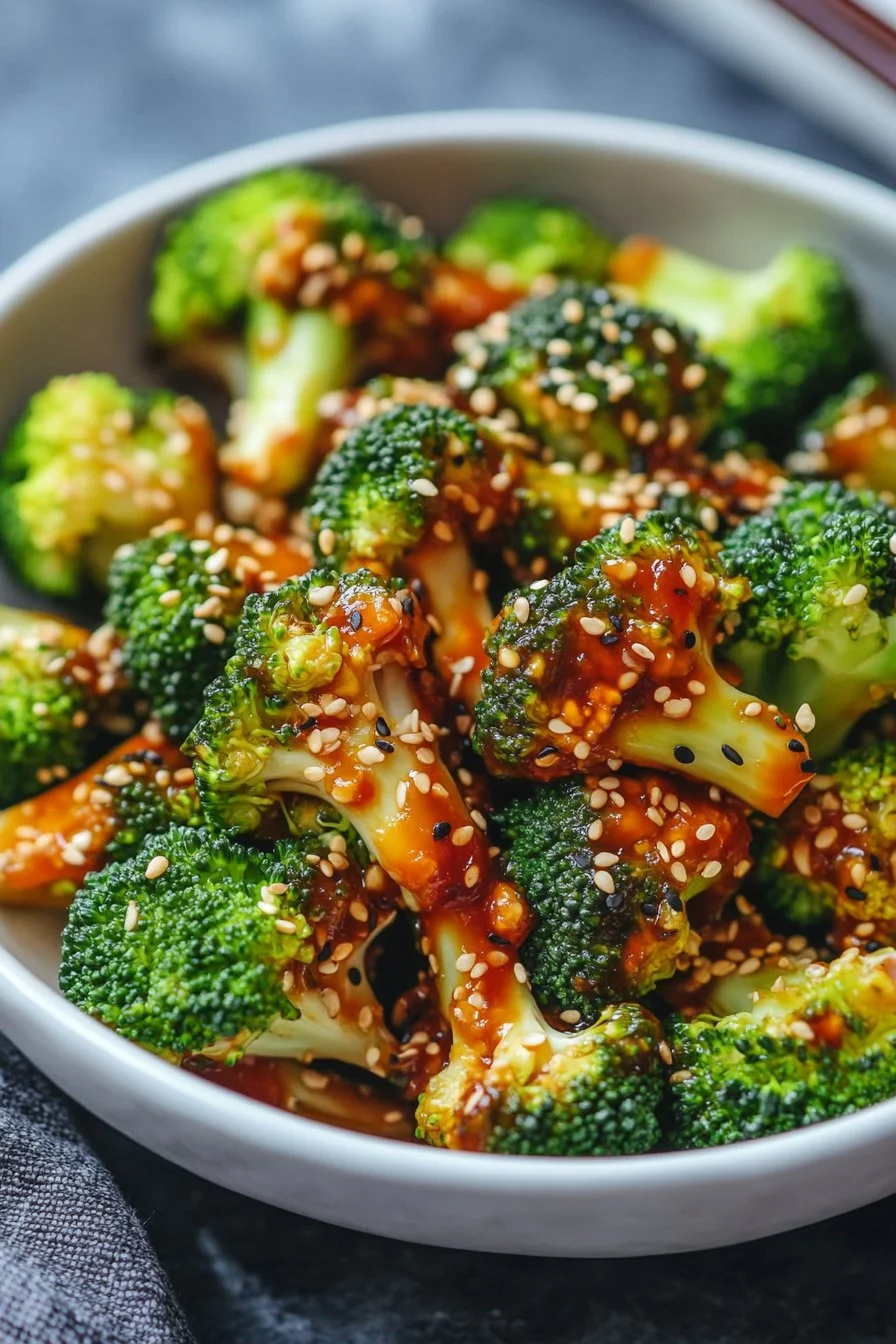
Transforming Your Approach to Cooking
Technique
The technique behind making gochujang broccoli successfully hinges on two essential factors: temperature and timing. Preheating your oven sufficiently allows the broccoli to roast rather than stew, providing that beloved crispy finish. Watch the clock carefully! Broccoli can go from perfectly roasted to burnt in a matter of minutes.
A single layer of florets on your baking sheet ensures even cooking and creates space for those essential edges to caramelize. Take time to toss the broccoli halfway through baking, letting the florets turn golden brown on all sides.
Tips/Tricks
Don’t hesitate to feel adventurous. Play with the amount of gochujang to adjust the spice levels that suit your palate. Consider adding crushed garlic for an aromatic kick or even mixing in other vegetables like bell peppers or carrots. They could beautifully complement the broccoli’s flavor while enhancing the dish’s overall nutrition.
Keep an eye on that oven! Not all ovens run true to temperature, so knowing how yours behaves will help you achieve the best results. If they finish cooking sooner than expected, enjoy your crispy, flavorful bites while hot.
Perfecting Your Gochujang Broccoli
Perfecting Results
To perfect your gochujang broccoli, it’s about understanding texture and flavor balance. Aim for a tender yet crisp texture that retains those bright green hues, indicative of perfectly cooked broccoli. The ideal dish offers a satisfying crunch with each bite, coupled with a complex flavor profile.
Experiment with the broiling function of your oven at the last few minutes. This technique can add a delightful char, elevating the flavors further. Remember, it’s all about finding that harmony between spice, sweetness, and savory notes.
Troubleshooting/Variations
Be mindful of the amount of salt you add, especially if your soy sauce is particularly salty. Always taste before adding more. If you prefer a creamier approach, drizzle some tahini or additional olive oil before serving. This twist can provide a rich layer of flavor that contrasts well with the heat of the gochujang.
If the broccoli cooks down too much or burns, don’t shy away from cooking another batch. Adjusting the timing based on your oven’s quirks can lead to perfect results.
Serving and Storing Gochujang Broccoli
Serving/Presentation
Gochujang broccoli shines brightly as a side dish but can easily take center stage as a main attraction. Layer it over a bed of grains like quinoa or brown rice, topped with sesame seeds for a pop of flavor and visual appeal.
Serve it warm alongside grilled chicken or tofu for a well-rounded meal rich in nutrients and flavor. The vibrant colors will make any dinner table come alive. A touch of fresh herbs like cilantro or green onions adds an aromatic finish.
Pairings/Storage
Though this dish is striking on its own, pair gochujang broccoli with contemporary sides like roasted sweet potatoes or a simple salad. Store any leftovers in an airtight container within the refrigerator. They hold their flavor for a couple of days, but consume them within three to five days for the best quality.
When reheating, opt for the oven over a microwave to maintain that delightful crispiness.
In summary, gochujang broccoli stands out as a celebration of flavors and textures. It demonstrates the magic that happens when you combine the right elements in the kitchen—even with just a few simple ingredients. Embrace this dish and let it transport your culinary adventures to delightful new heights.
Print
Gochujang Broccoli
- Prep Time: 10 minutes
- Cook Time: 20 minutes
- Total Time: 30 minutes
- Yield: 4 servings
- Category: Side Dish
- Method: Roasting
- Cuisine: Korean
- Diet: Vegan
Description
A vibrant and flavorful dish transforming simple broccoli with the spicy kick of gochujang and a touch of sweetness.
Ingredients
- 1 lb broccoli florets
- 2 tablespoons gochujang
- 2 tablespoons olive oil
- 1 tablespoon soy sauce
- 1 tablespoon honey (optional)
- Salt to taste
- Sesame seeds for garnish
Instructions
- Preheat the oven to 425°F (220°C).
- In a large bowl, mix gochujang, olive oil, soy sauce, honey, and salt.
- Add broccoli florets to the bowl and toss until well coated.
- Spread broccoli on a baking sheet in a single layer.
- Bake for 15-20 minutes or until crispy and slightly charred.
- Remove from the oven and sprinkle with sesame seeds before serving.
Notes
Feel free to adjust the amount of gochujang to suit your spice preference. Experimenting with other vegetables can also enhance the dish.