📑 Table of Contents ▶
French Butter Cake
A culinary journey often begins with a simple yet powerful experience. The aroma of freshly baked goods fills the home, creating an irresistible invite. French butter cake embodies this spirit beautifully. The rich flavors and soft texture evoke memories of family gatherings, where everyone eagerly anticipates a slice, and the kitchen buzzes with laughter and conversation.
French butter cake is a classic dessert that celebrates the joy of baking. With just a few humble ingredients, this recipe transforms into a delightful treat. Each bite offers a warm, buttery taste that comforts and satisfies. This cake is not just a dessert; it’s a centerpiece for celebrations, a nostalgic reminder of cherished moments shared with loved ones.
Baking French butter cake is an art, yet it remains accessible to everyone. From novice bakers to seasoned pros, this recipe invites anyone to create something magical. The key lies in understanding the fundamentals and allowing creativity to flourish. Prepare to embrace the joys of baking, learn new techniques, and, most importantly, enjoy the sweet rewards of your labor.
The Basics of French Butter Cake
Fundamentals
French butter cake relies on a few essential components that come together to create its signature flavor and texture. This delightful cake showcases the beauty of simple ingredients like butter, sugar, and eggs. Understanding how each element plays a role is crucial to achieving the best results.
Butter forms the rich foundation of this cake. When softened, it allows for the perfect creaming with sugar, creating a light and airy texture that is essential for cakes. Granulated sugar sweetens and enhances the overall flavor, while eggs add moisture and structure.
All-purpose flour provides stability and creates the structure of the cake. The added touch of salt balances the sweetness, ensuring every bite is deliciously satisfying. Vanilla extract infuses a warm, aromatic flavor to elevate the cake, while milk keeps it moist and tender.
Preparation/Setup
Before diving into the baking process, preparation is vital. Start by preheating the oven to 350°F (175°C). This ensures even baking and helps achieve that golden-brown exterior. Greasing and flouring a 9-inch round cake pan prevents sticking and aids in easy removal after baking.
Gathering your ingredients ahead of time will streamline the process. Measure out the butter and sugar, crack the eggs, and have the flour, salt, milk, and vanilla ready to go. This organized setup not only makes the baking process smoother but also elevates the overall experience.
Creating a clean workspace allows you to focus solely on the art of baking. Ensure all your equipment is ready, including mixing bowls, a whisk or mixer, and measuring cups. With everything in place, you can move confidently through each stage of the recipe, transforming simple ingredients into a deliciously satisfying French butter cake.
Ingredients
- 1 cup unsalted butter, softened
- 1 cup granulated sugar
- 4 large eggs
- 2 cups all-purpose flour
- 1/2 teaspoon salt
- 2 teaspoons vanilla extract
- 1/2 cup milk
Directions
- Preheat the oven to 350°F (175°C). Grease and flour a 9-inch round cake pan.
- In a large mixing bowl, cream together the softened butter and sugar until light and fluffy.
- Add the eggs one at a time, beating well after each addition.
- Stir in the vanilla extract.
- In another bowl, combine the flour and salt. Gradually add this mixture to the creamed butter and sugar, alternating with the milk, starting and ending with the flour. Mix until just combined.
- Pour the batter into the prepared cake pan and smooth the top.
- Bake for 30-35 minutes, or until a toothpick inserted into the center comes out clean.
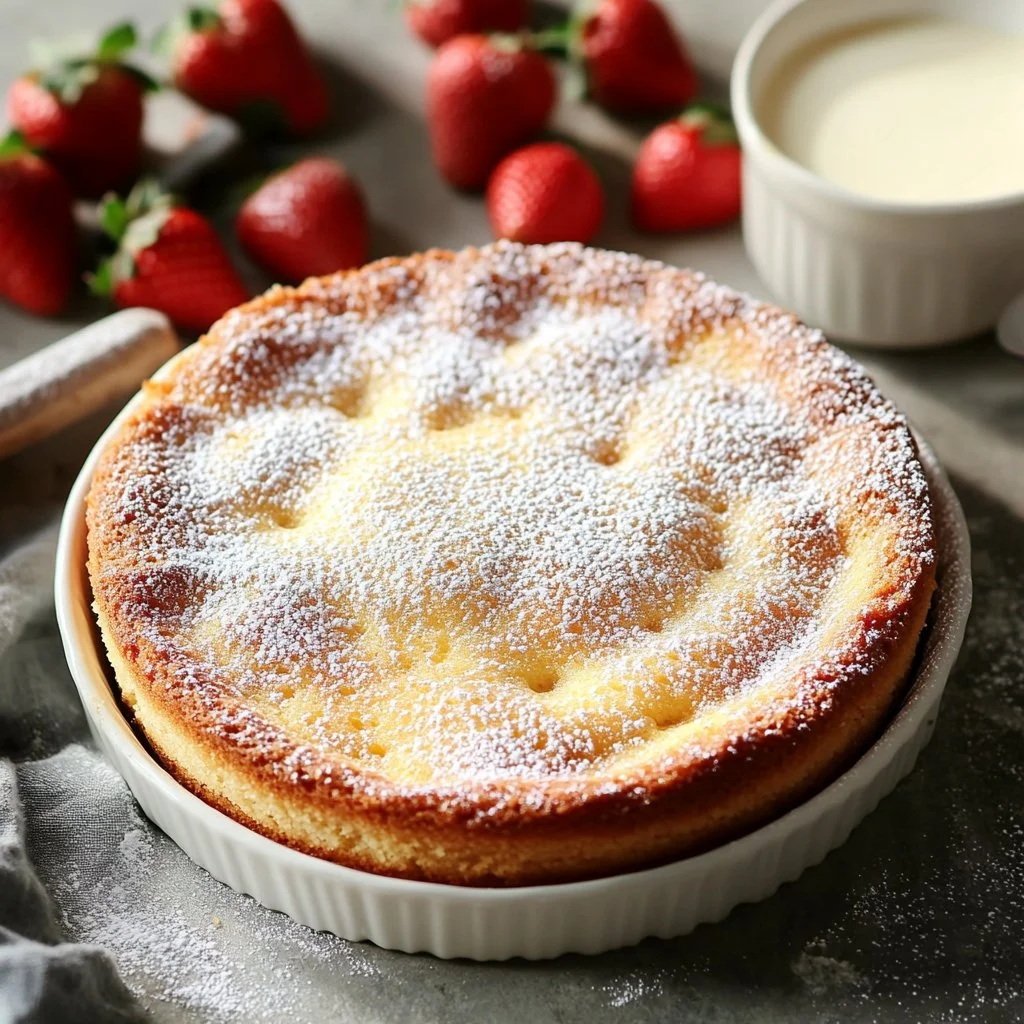
- Let the cake cool in the pan for 10 minutes, then turn it out onto a wire rack to cool completely. Serve plain or with a dusting of powdered sugar.
Perfecting the Technique of French Butter Cake
Technique
Baking is a science as much as it is an art. To master French butter cake, focus on the technique. Creaming butter and sugar properly is one of the most critical steps. When done correctly, it incorporates air into the batter, creating a light texture. Aim for a pale and fluffy mixture before adding eggs.
When incorporating eggs, add them one at a time, beating well after each addition. This ensures they blend smoothly, adding moisture and richness to the cake. Mixing the flour and milk alternately prevents the batter from becoming too dense.
Monitor the baking process closely. Ovens can vary in temperature, so check the cake a few minutes before the recommended time. A toothpick should come out clean when inserted into the center, indicating it’s done.
Tips and Tricks
A few tips can elevate your French butter cake experience. To enhance the flavor, consider using high-quality vanilla extract. This ingredient can significantly impact the final taste of the cake.
Ensure your butter is at room temperature for easy creaming. If you forget to take it out in advance, you can cut it into small pieces and microwave it for a few seconds, just until it softens.
Don’t skip the cooling step. This cake is delicate, and allowing it to cool in the pan for a bit helps it to set before moving. Using a wire rack also promotes even cooling, preventing the bottom from becoming soggy.
Experiment with flavors if desired. Lemon or orange zest can add a refreshing twist to the classic recipe. Feel free to play around with texture too, perhaps adding chocolate chips or nuts for an exciting variation.
Mastering French Butter Cake
Perfecting Results
Mastering French butter cake involves refining your technique through practice. Pay attention to the consistency of your batter. It should be smooth and free of lumps, which indicates thorough mixing. Alternate adding flour and milk carefully, as this will create a well-integrated batter.
Baking times may differ based on your oven’s specifics. If your cake has risen and turns golden, it’s likely ready, but always rely on the toothpick test for the best assurance of doneness.
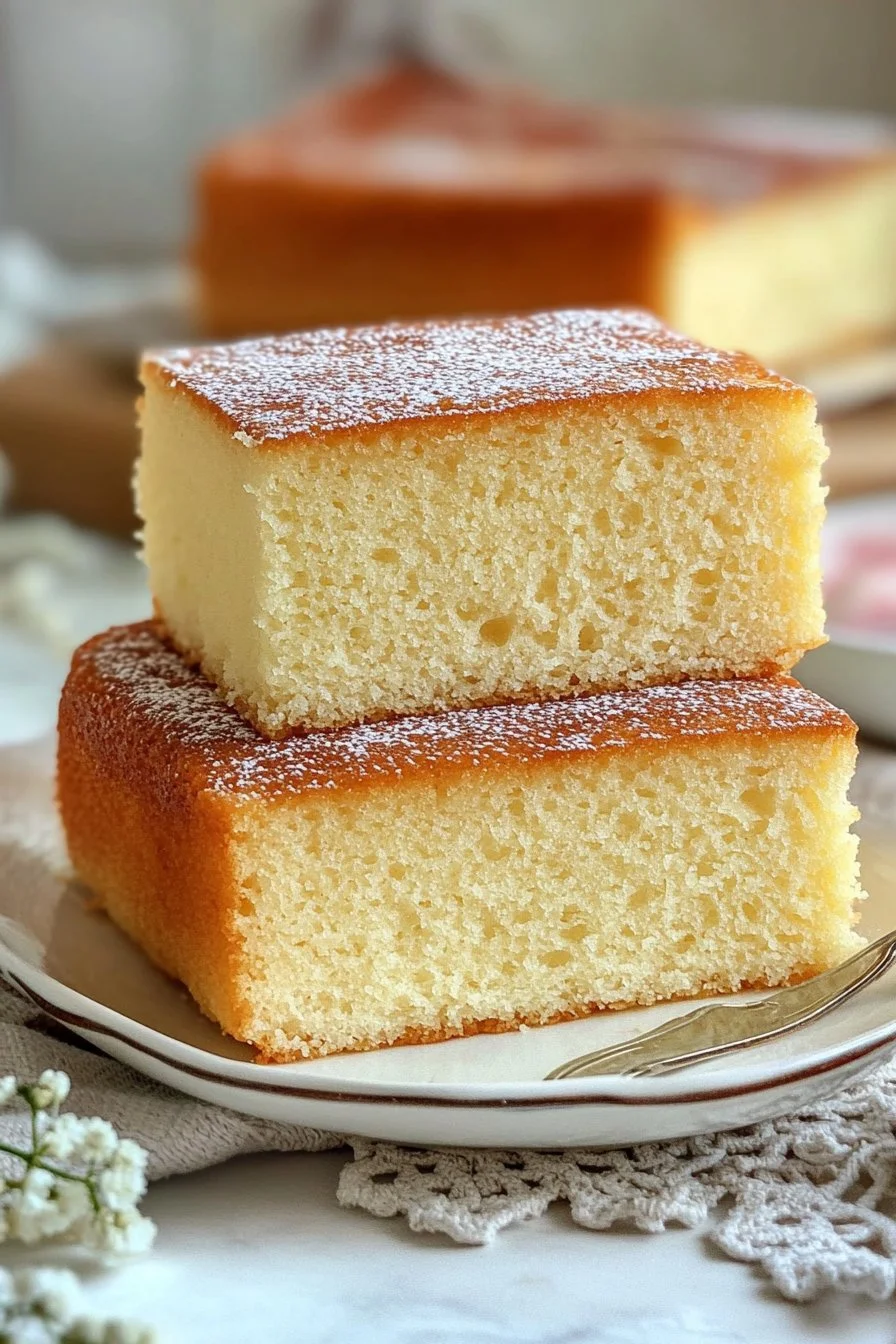
Once cooled, the cake should have a lovely, even crumb. If you notice any sunk centers, try adjusting your baking times next time or ensuring the mixture is evenly spread in the pan.
Troubleshooting and Variations
Every baker encounters challenges along the way. If your cake comes out too dense, consider checking your mixing technique. Overmixing can lead to a heavy texture, while undermixing can create uneven results.
In case of a dry cake, ensure not to overbake. Additionally, consider using room temperature ingredients. This step guarantees better emulsification, which keeps the cake moist.
Variations can breathe new life into your baking routine. Adding a sprinkle of cinnamon or nutmeg brings warmth, while incorporating fruit like blueberries or raspberries adds freshness. Embrace these adjustments to cater to different tastes and occasions.
Serving and Storing French Butter Cake
Serving and Presentation
Serve French butter cake simply to showcase its deliciousness. A light dusting of powdered sugar creates an elegant finish that highlights the cake’s texture and flavor. If you prefer a more decadent touch, consider pairing it with a scoop of your favorite ice cream or a dollop of whipped cream.
For a charming presentation, slice the cake into wedges and arrange them on a beautiful platter. Fresh fruits such as berries can accompany the slices, providing color and a burst of flavor.
Pairings and Storage
French butter cake’s versatility makes it a delightful companion for various sides. It pairs well with fresh fruit compotes, creamy frostings, or even a light citrus glaze. Remember to avoid heavy toppings that may overshadow the cake’s delicate flavor.
For storage, keep the cake covered at room temperature for a couple of days. It maintains its freshness beautifully. If you need to store it longer, refrigerate or freeze it. Wrap individual slices tightly or use an airtight container to prevent freezer burn.
The cake can last in the freezer for up to three months, allowing you to enjoy it anytime. Simply thaw the slices at room temperature before serving for the best taste.
French butter cake invites everyone to enjoy the sweetness of life through its simple yet rich flavors. Embrace the process of baking and gather friends and family around the table to experience the joy of sharing this delectable treat. Making French butter cake creates special moments, and each slice carries a story waiting to unfold.
Print
French Butter Cake
- Prep Time: 15 minutes
- Cook Time: 30 minutes
- Total Time: 45 minutes
- Yield: 8 servings
- Category: Dessert
- Method: Baking
- Cuisine: French
- Diet: Vegetarian
Description
A classic French butter cake that is rich in flavor and has a soft, buttery texture, making it a perfect dessert for family gatherings and celebrations.
Ingredients
- 1 cup unsalted butter, softened
- 1 cup granulated sugar
- 4 large eggs
- 2 cups all-purpose flour
- 1/2 teaspoon salt
- 2 teaspoons vanilla extract
- 1/2 cup milk
Instructions
- Preheat the oven to 350°F (175°C). Grease and flour a 9-inch round cake pan.
- In a large mixing bowl, cream together the softened butter and sugar until light and fluffy.
- Add the eggs one at a time, beating well after each addition.
- Stir in the vanilla extract.
- In another bowl, combine the flour and salt. Gradually add this mixture to the creamed butter and sugar, alternating with the milk, starting and ending with the flour. Mix until just combined.
- Pour the batter into the prepared cake pan and smooth the top.
- Bake for 30-35 minutes, or until a toothpick inserted into the center comes out clean.
- Let the cake cool in the pan for 10 minutes, then turn it out onto a wire rack to cool completely. Serve plain or with a dusting of powdered sugar.
Notes
For variations, consider adding lemon or orange zest, or incorporating chocolate chips or nuts. Store the cake at room temperature for a couple of days or in the freezer for up to three months.