
📑 Table of Contents ▶
Vegetable Curry: A Flavorful and Comforting Getaway
In the hustle and bustle of life, sometimes we crave a moment of warmth and comfort. A steaming pot of vegetable curry does just that. I remember my first encounter—it wasn’t just a meal; it was an experience. The vibrant colors, the aromatic spices, and the heartwarming flavors made every bite feel like a hug.
Vegetable curry brings together a delightful blend of vegetables that dance harmoniously in a creamy coconut base. Every ingredient plays a role, creating a symphony of flavors that beckons you back for more. The beauty of this dish lies in its versatility; whether you’re feeding a crowd or just yourself, it always satisfies.
What I love most is how nourishing each spoonful feels. Packed with nutrients, it serves as a reminder that healthy eating doesn’t have to be bland. This vegetable curry invites you to explore delightful flavors while relishing the comforting essence of home-cooked meals. Get ready to embark on a culinary journey that will surely brighten your day.
Understanding Vegetable Curry
Fundamentals
Vegetable curry stands as a versatile dish that can adapt to various tastes and preferences. At its core, it celebrates fresh ingredients and aromatic spices. This dish takes inspiration from traditional recipes, yet every cook adds their flair. The result is a colorful, hearty meal that doesn’t skimp on flavor or nutrition.
Using seasonal vegetables elevates the dish, allowing for a fresh taste and vibrant presentation. Common vegetables in vegetable curry include carrots, zucchini, bell peppers, and sweet potatoes. These ingredients not only provide texture but also contribute essential nutrients.
Preparation/Setup
Preparing a vegetable curry starts with a little organization. Gather all the ingredients before diving into the cooking process. This ensures you can focus on creating magic without the stress of searching for missing items. You will need:
- Olive oil
- Sliced onion
- Minced garlic
- Grated ginger
- Diced carrots
- Diced zucchini
- Diced red bell pepper
- Diced sweet potato
- Cooked chickpeas (or lentils)
- Coconut milk
- Curry paste (or powder)
- Ground cumin
- Ground turmeric
- Salt and pepper for seasoning
- Fresh spinach
- Coriander for garnish
Once everything is prepped, you’re ready to start cooking, transforming simple ingredients into a delightful culinary experience.
Ingredients
This vegetable curry requires a combination of wholesome ingredients that come together seamlessly. Here’s a breakdown of what you’ll need:
- 1 tablespoon of olive oil: This forms the base for sautéing your aromatics, giving the dish depth.
- 1 onion, sliced: A classic base for flavor.
- 2 cloves of garlic, minced: For that aromatic punch.
- 2 cm piece of fresh ginger, grated: It adds a warm spiciness.
- 2 carrots, diced: Sweet and colorful, perfect for texture.
- 1 zucchini, diced: Delicate and tender, it absorbs flavors well.
- 1 red bell pepper, diced: For color and sweetness.
- 1 small sweet potato, diced: It provides a hearty element.
- 200g of cooked chickpeas (or lentils): A great protein source.
- 400ml of coconut milk: The creamy base that ties the flavors together.
- 2 tablespoons of curry paste (or 2 teaspoons of curry powder): The soul of the dish.
- 1 teaspoon of ground cumin: Adds warmth and earthiness.
- 1 teaspoon of ground turmeric: For color and health benefits.
- Salt and pepper to taste: Essential for enhancing flavors.
- 100g of fresh spinach: Brightens the dish with its color and nutrients.
- Coriander for garnish: Freshness to top off the meal.
Directions
Let’s get cooking! Start by heating the olive oil in a large skillet or pot over medium heat. Begin by sautéing the sliced onion. Cook for about 3 to 4 minutes or until it turns translucent.
Next, incorporate the minced garlic and grated ginger into the mix. Stir for another 1 to 2 minutes until the aroma fills your kitchen. This step is essential as it builds the flavor foundation for your vegetable curry.
Now, it’s time to add the diced carrots, zucchini, red bell pepper, and sweet potato. Stir everything together and let them cook for 5 to 7 minutes. You want the vegetables to start softening but still retain a slight crunch.
Following this, add the curry paste alongside ground cumin and turmeric. Stir everything for a moment, allowing the spices to envelop the vegetables. Their complex flavors will soon shine through!
Pour in the coconut milk, followed by the chickpeas. Mix everything well and bring it to a boil. After reaching a gentle boil, reduce the heat to low. Cover the pot and let it simmer for about 15 to 20 minutes. This allows the vegetables to become tender and merge their flavors.
A few minutes before serving, fold in the fresh spinach until it wilts. Finish off with salt and pepper according to your taste. Serve hot and garnish with fresh coriander for a burst of flavor and color.
Mastering the Technique
Technique
Cooking a perfect vegetable curry involves a few simple techniques. The key lies in sautéing your aromatics adequately. Take your time with the onions, garlic, and ginger. A well-cooked base adds profound depth to your dish.
Ensure that the vegetables are agitated in the pot, allowing them to evenly absorb the spices. Stirring ensures everything caramelizes slightly, enhancing flavors.
Timing is also essential. Adding softer vegetables like spinach at the end ensures they remain vibrant and tender without losing their nutrients.
Tips and Tricks
Creating a vegetable curry that’s bursting with flavor doesn’t have to be complicated. Here are some tips to elevate your dish:
-
Using Fresh Ingredients: Whenever possible, opt for fresh, seasonal vegetables. They contribute to better flavor and nutrition.
-
Spice Variations: Don’t hesitate to explore other spices. Add chili powder or garam masala for heat or distinct flavors.
-
Preparation Ahead: Prep vegetables ahead of time for a smoother cooking experience.
-
Adjusting Creaminess: For a thicker curry, reduce the coconut milk before adding it in, or simply let it simmer longer to thicken naturally.
-
Make it Your Own: Feel free to swap out ingredients based on what you have at home. This dish welcomes creativity!
Perfecting Your Results
Perfecting Results
Consistency in cooking creates memorable dishes. For a vegetable curry, ensure that vegetables maintain their integrity while being tender.
Monitor cooking times based on the size of your vegetable cuts. Smaller pieces cook faster, so a uniform size promotes even cooking.
Taste as you go. This allows you to gauge the seasoning and adjust spices to your liking.
Troubleshooting and Variations
Sometimes things might not go as planned. If your curry appears too thin, allow it to simmer longer to reduce excess liquid. Alternatively, you can thicken it with a cornstarch slurry if you’re short on time.
If your dish is too bitter, a splash of sweetness can balance the flavors. A teaspoon of sugar or honey can correct this.
Feel free to experiment with vegetable combinations. Bell peppers can be swapped for green beans, and sweet potatoes can be substituted for butternut squash, among others!
Serving and Storing Your Curry
Serving and Presentation
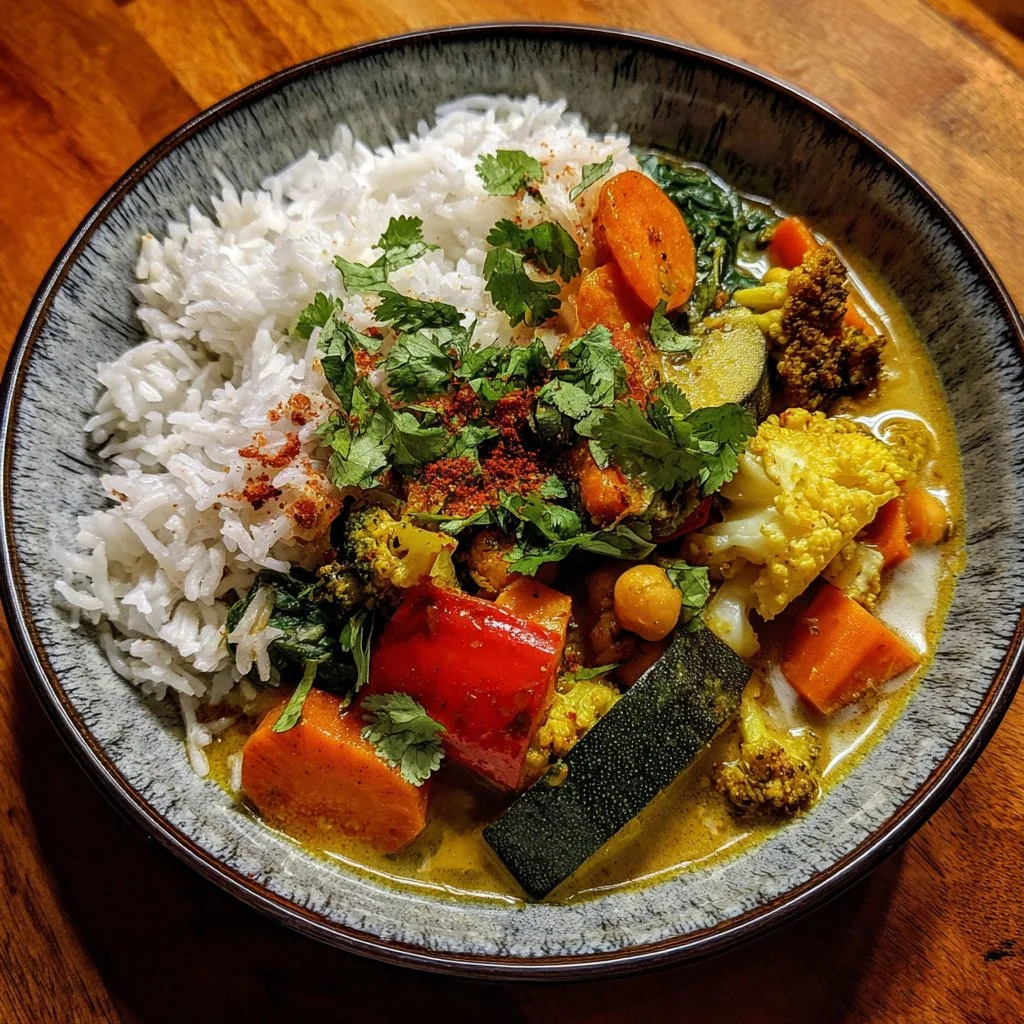
Present your vegetable curry on a vibrant plate or bowl. The colorful ingredients will entice everyone at the table.
Accompany your dish with a side of fluffy rice or warm naan, perfect for soaking up the delicious sauce. For an added touch, sprinkle a few cilantro leaves on top before serving.
Pairings and Storage
While vegetable curry shines on its own, pairing it with other dishes can create a full meal. Serve it alongside a fresh cucumber salad or roasted cauliflower for a balanced plate.
Leftovers store beautifully in an airtight container in the refrigerator for up to three days. Reheat gently on the stove, adding a splash of coconut milk if needed to restore creaminess. Vegetable curry also freezes well; portion it out in freezer-safe bags for a convenient future meal.
This vegetable curry not only serves as a hearty meal; it’s a comforting escape. Enjoy preparing this dish as much as you will savor every bite!
Print
Vegetable Curry
- Prep Time: 10 minutes
- Cook Time: 30 minutes
- Total Time: 40 minutes
- Yield: 4 servings
- Category: Main Course
- Method: Stovetop
- Cuisine: Indian
- Diet: Vegetarian
Description
A flavorful and comforting vegetable curry that combines fresh vegetables in a creamy coconut base, packed with nutrients and aromatic spices.
Ingredients
- 1 tablespoon olive oil
- 1 onion, sliced
- 2 cloves garlic, minced
- 2 cm piece fresh ginger, grated
- 2 carrots, diced
- 1 zucchini, diced
- 1 red bell pepper, diced
- 1 small sweet potato, diced
- 200g cooked chickpeas (or lentils)
- 400ml coconut milk
- 2 tablespoons curry paste (or 2 teaspoons curry powder)
- 1 teaspoon ground cumin
- 1 teaspoon ground turmeric
- Salt and pepper to taste
- 100g fresh spinach
- Coriander for garnish
Instructions
- Heat the olive oil in a large skillet or pot over medium heat. Sauté the sliced onion for about 3 to 4 minutes until translucent.
- Add minced garlic and grated ginger, stirring for 1 to 2 minutes until aromatic.
- Incorporate the diced carrots, zucchini, red bell pepper, and sweet potato. Stir and cook for 5 to 7 minutes until vegetables soften slightly.
- Add the curry paste, ground cumin, and turmeric, stirring to combine.
- Pour in the coconut milk and chickpeas, mixing well. Bring to a gentle boil.
- Reduce heat to low, cover, and let it simmer for 15 to 20 minutes.
- Fold in the fresh spinach until wilted, and season with salt and pepper to taste.
- Serve hot, garnished with fresh coriander.
Notes
Serve with fluffy rice or warm naan. Leftovers can be stored in the refrigerator for up to three days or frozen for later use.