
📑 Table of Contents ▶
- Soy Glazed Salmon Fillets
- The Art of Crafting Soy Glazed Salmon Fillets
- Fundamentals
- Preparation/setup
- Mastering the Glaze
- Technique
- Tips/tricks
- Perfecting Soy Glazed Salmon Fillets
- Perfecting results
- Troubleshooting/variations
- Presenting the Perfect Plate
- Serving/presentation
- Pairings/storage
- Conclusion
- FAQs – Soy Glazed Salmon Fillets
Salmon always takes me back to my childhood kitchen. My grandmother had a knack for transforming simple ingredients into unforgettable meals. Her soy glazed salmon fillets were a family favorite, capturing the essence of savory and sweet in every bite. The aroma of garlic and ginger simmering always managed to gather everyone around the table, creating moments of joy and togetherness.
As I grew older, I realized that the magic wasn’t just in the flavors but in the way these dishes brought people together. Cooking the perfect soy glazed salmon fillets became more than just a recipe; it became a tradition. It’s a dish that speaks the language of love, something my grandmother taught me well.
Now, I find myself sharing this beloved recipe with others, hoping to pass on the same warmth and connection. There’s something incredibly satisfying about preparing soy glazed salmon fillets that are not only delicious but also infused with memories. It’s a testament to how food can transform ordinary moments into cherished memories.
The simplicity of the ingredients—salmon, soy sauce, honey, sesame oil, garlic, and ginger—belies the depth of flavor they create. These soy glazed salmon fillets have become a staple in my household, a go-to dish for family gatherings and quiet dinners alike.
Print
Soy Glazed Salmon Fillets
- Prep Time: 20 minutes
- Cook Time: 20 minutes
- Total Time: 40 minutes
- Yield: 4 servings
- Category: Main Course
- Method: Baking
- Cuisine: Asian
Description
Learn how to make delicious soy glazed salmon fillets with this easy recipe. Perfect for a quick and healthy dinner option. Click to get cooking!
Ingredients
- 4 salmon fillets, about 6 ounces (170g) each
- 1/3 cup (80ml) reduced sodium soy sauce (or regular)
- 1/3 cup (113g) honey
- 1 Tablespoon (15ml) sesame oil (or olive oil)
- 3 garlic cloves, minced (or 2 teaspoons (10 ml) jarred/minced)
- 1 teaspoon (5 ml) peeled minced fresh ginger
- optional for garnish: chopped green onion and/or sesame seeds
Instructions
- Prepare the salmon: Place the fillets into a large resealable plastic bag or a shallow container. In a separate bowl, combine the soy sauce, honey, sesame oil, garlic, and ginger by whisking them together. Pour around half of this mixture over the salmon, ensuring it is evenly coated by turning the fillets. Seal the bag or cover the container, then chill in the refrigerator for at least 15 minutes, extending up to 4 hours if desired.
- As you wait, set your oven to 375°F (191°C) to preheat. Prepare a baking tray by lining it with foil, parchment paper, or a silicone mat, and set it aside.
- Arrange the marinated salmon fillets on the prepared tray, with the skin facing downward. You can keep the marinade that was used for later reference in step 5. Cook the salmon for 15–20 minutes or until fully done, accounting for 10 minutes of cooking per inch of thickness. (The salmon is ready when a thermometer reads at least 145°F (63°C) in the center of the thickest section.) If desired, switch the oven to broil for the last minute to add a crispy texture to the edges.
- As the salmon cooks, transfer the remaining unused marinade to a small pan or skillet over medium-high heat. You may also add the previously used marinade if you prefer. Allow it to reach a boil, then lower the heat to medium-low, letting it simmer for 3–4 minutes until it thickens slightly. Watch it closely to prevent burning, as it will bubble as it reduces. Once done, remove from the heat.
- Pour the thickened glaze over the cooked salmon and serve with optional garnishes if desired.
- Store any leftovers in the fridge for a few days and reheat according to your preference.
Notes
- Consider adding extra cloves of garlic to the marinade for a more robust flavor.
- Enhance sweetness by using darker honeys like buckwheat or wildflower.
- Add a splash of rice vinegar to the marinade for a tangy twist.
The Art of Crafting Soy Glazed Salmon Fillets
Fundamentals
Salmon fillets offer a versatile canvas for various flavors. Their rich, buttery taste pairs beautifully with the umami of soy sauce and the sweetness of honey. The key to achieving perfect soy glazed salmon fillets lies in balancing these flavors, allowing each ingredient to shine.
Using reduced sodium soy sauce helps maintain the dish’s savory profile without overwhelming the palate. The addition of honey not only complements the soy but also caramelizes during cooking, creating a delightful glaze. Sesame oil introduces a nutty undertone, enhancing the salmon’s natural richness.
Preparation/setup
Begin by marinating the salmon fillets. Place the fillets into a large resealable plastic bag or a shallow container. In a bowl, whisk together soy sauce, honey, sesame oil, minced garlic, and fresh ginger. Pour half of this mixture over the salmon, ensuring even coverage. Seal the bag or cover the container, and refrigerate for at least 15 minutes to allow the flavors to meld.
As the salmon marinates, preheat your oven to 375°F (191°C). Line a baking tray with foil, parchment paper, or a silicone mat to prevent sticking and make cleanup easier. Arrange the marinated salmon fillets on the prepared tray, skin side down. This setup ensures even cooking and enhances the dish’s presentation.
Mastering the Glaze
Technique
The technique for cooking soy glazed salmon fillets is straightforward yet requires attention to detail. Bake the salmon for 15–20 minutes, accounting for 10 minutes of cooking per inch of thickness. Check for doneness by inserting a thermometer into the thickest part of the fillet; it should read at least 145°F (63°C).
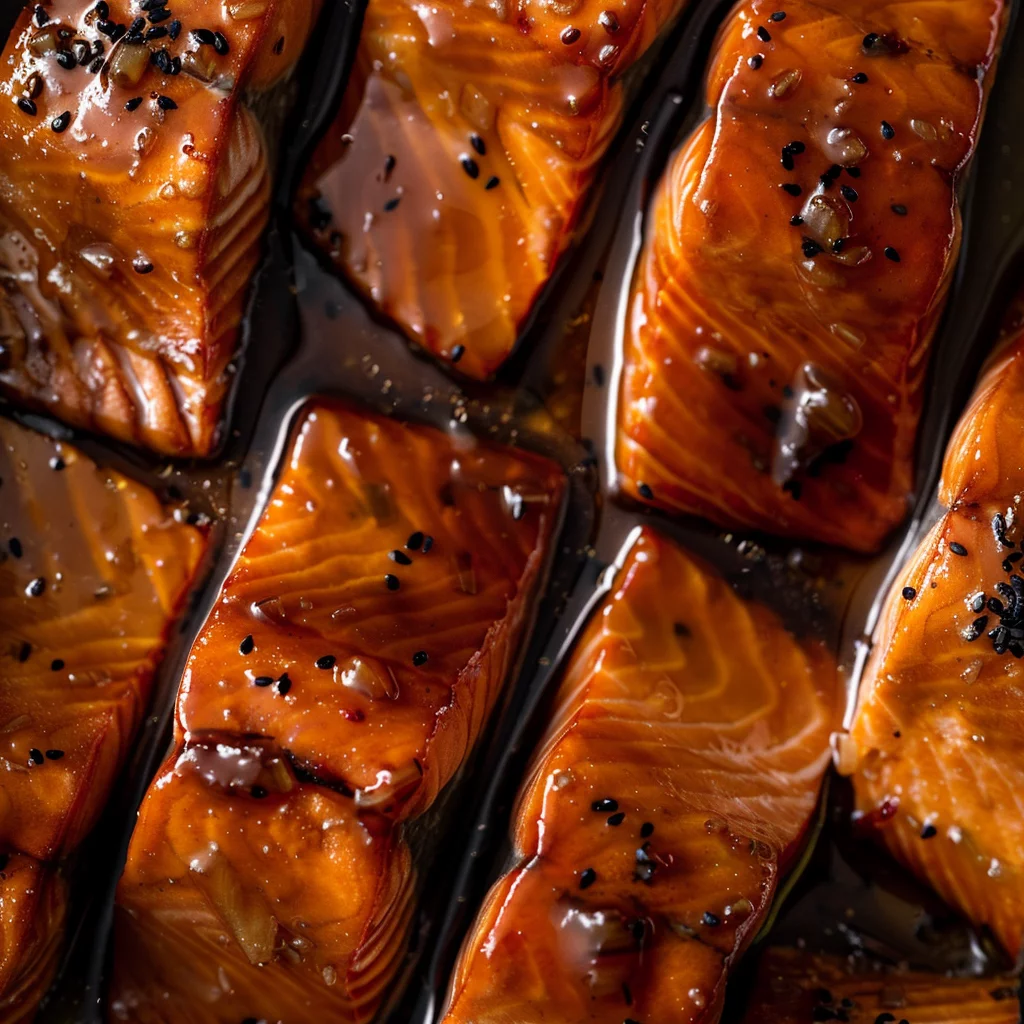
For an added layer of texture, switch the oven to broil for the last minute. This step crisps the edges, adding a delightful contrast to the tender salmon. While the salmon cooks, simmer the remaining marinade in a pan over medium-high heat. Allow it to thicken, watching closely to prevent burning. This glaze will enhance the final presentation and flavor of the dish.
Soy Glazed Salmon Fillets
Tips/tricks
To achieve the best results, choose salmon fillets of even thickness. This ensures uniform cooking and flavor absorption. Fresh ginger and garlic provide a bright, aromatic base for the glaze, elevating the dish’s overall taste. If you prefer a milder garlic flavor, reduce the amount or use roasted garlic instead.
Monitor the salmon closely in the last few minutes of cooking to avoid overcooking. The glaze should slightly caramelize, creating a glossy, flavorful coating. If the glaze thickens too much, add a splash of water to reach the desired consistency.
Perfecting Soy Glazed Salmon Fillets
Perfecting results
Perfecting soy glazed salmon fillets involves a few strategic steps. Always start with high-quality salmon, as the freshness directly impacts the dish’s taste and texture. Opt for fillets with a vibrant color and firm flesh, which will hold up well during cooking.
When applying the glaze, ensure even distribution by brushing it over the fillets. This step guarantees that each bite is packed with flavor. The combination of soy sauce and honey creates a rich, savory-sweet glaze that complements the salmon’s natural oils.
Troubleshooting/variations
If the salmon appears dry, it may have been overcooked. To retain moisture, remove the fillets from the oven as soon as they reach the desired internal temperature. Covering the salmon with foil and letting it rest for a few minutes before serving can also help.
For variations, consider adding a pinch of red pepper flakes to the marinade for a hint of heat. Alternatively, top the finished fillets with chopped green onions or sesame seeds for added texture and flavor. Exploring different glazed recipes can inspire new flavor combinations.
Presenting the Perfect Plate
Serving/presentation
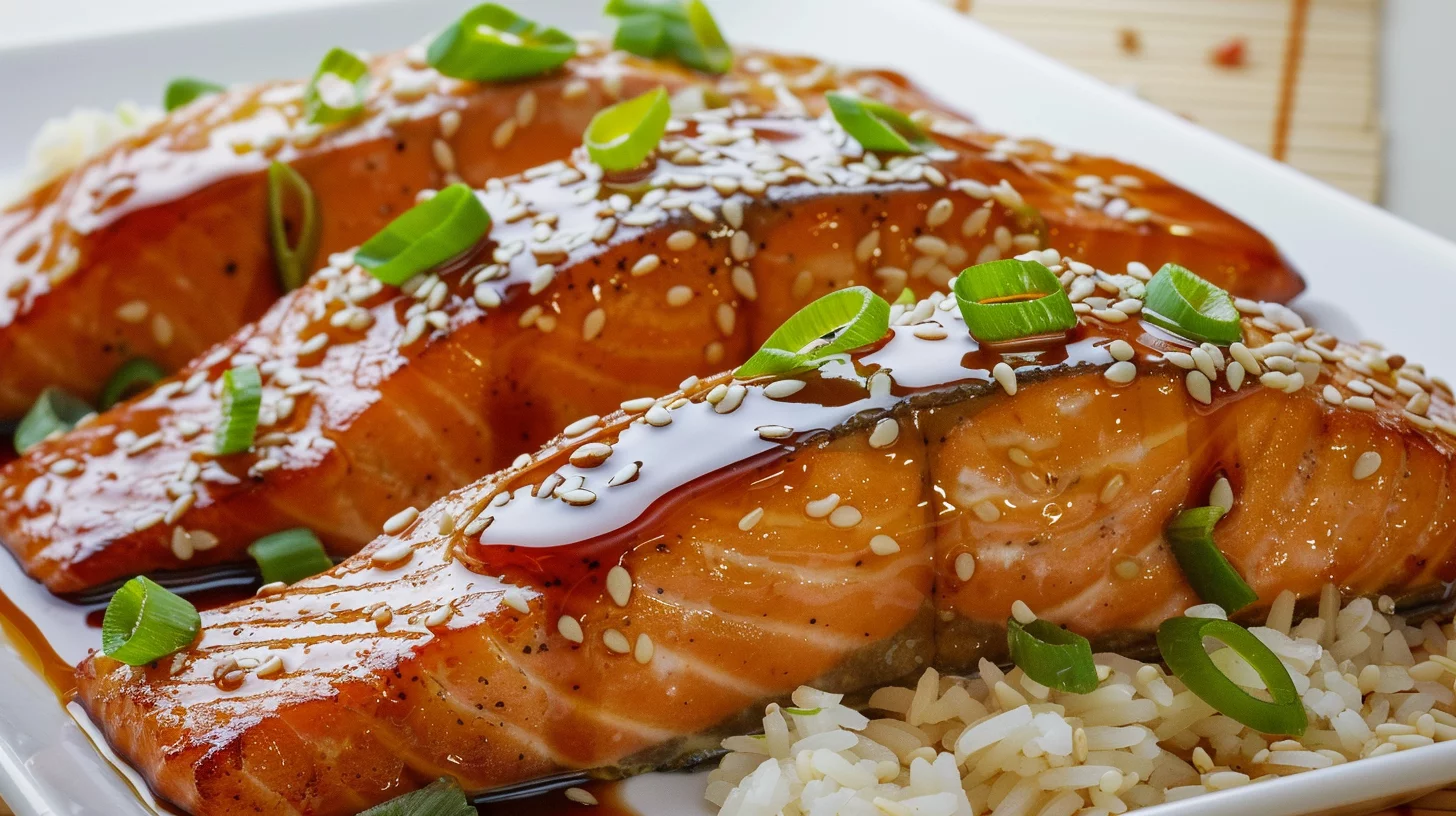
Presenting soy glazed salmon fillets with a touch of elegance can elevate the dining experience. Arrange the fillets on a serving platter, drizzling the thickened glaze over the top. Garnish with chopped green onions or sesame seeds for a pop of color and flavor.
Pair the salmon with sides that complement its rich flavors. Maple glazed potatoes or a simple salad with seasonal greens work beautifully. For a more substantial meal, consider serving alongside a teriyaki salmon power bowl.
Pairings/storage
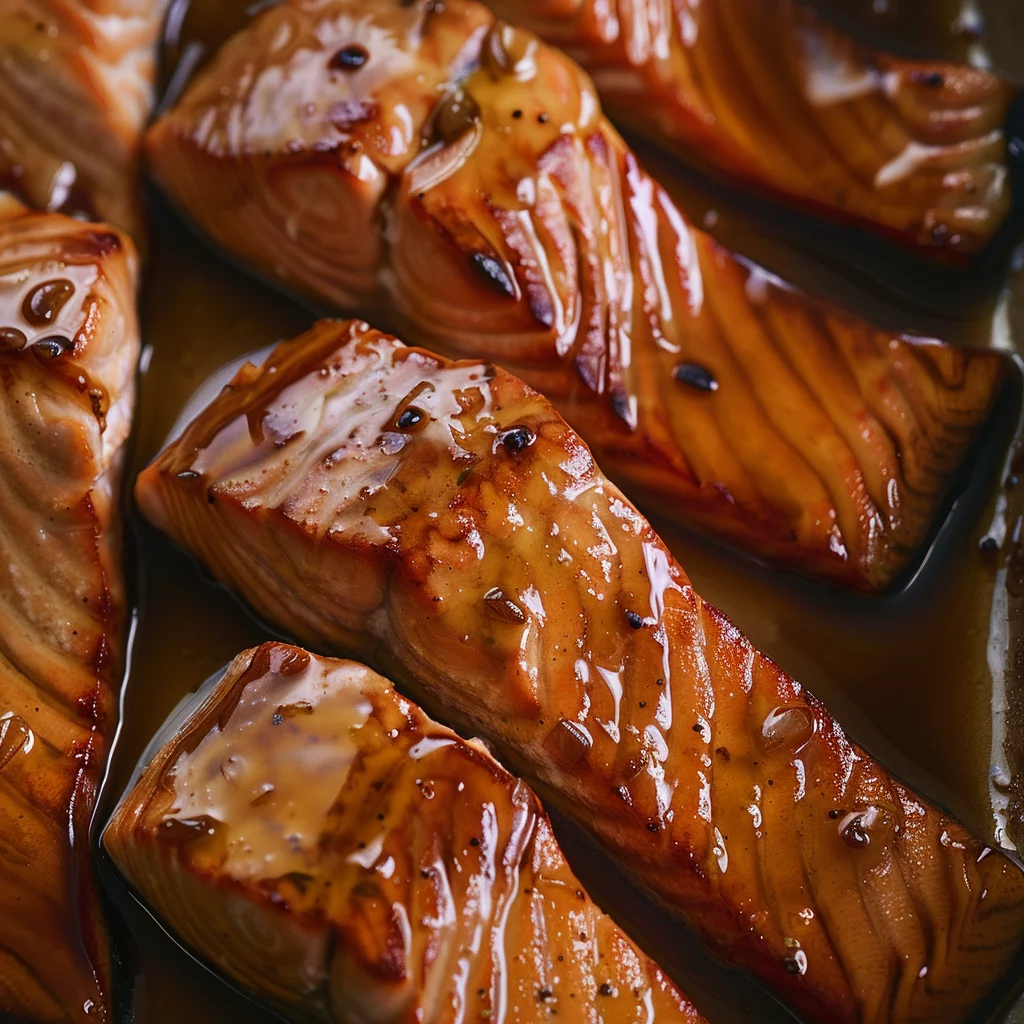
Store any leftover soy glazed salmon fillets in an airtight container in the refrigerator for up to three days. Reheat gently in the oven or microwave, ensuring the salmon retains its moisture and glaze. For a twist, serve cold over a zucchini noodle stir-fry for a refreshing meal.
Soy Glazed Salmon Fillets
Experiment with different pairings to find your favorite combinations. A vibrant cucumber salad or maple glazed sweet potatoes can enhance the salmon’s flavors, providing a well-rounded dining experience.
Conclusion
Soy glazed salmon fillets offer a delightful balance of savory and sweet, making them a versatile addition to any meal. This recipe captures the heart of home-cooked meals, encouraging gatherings and shared memories. By mastering the fundamentals and techniques, you can consistently create delicious, tender salmon.
The simplicity of the ingredients allows for easy preparation while offering room for experimentation and personalization. Whether you’re cooking for a special occasion or a weeknight dinner, soy glazed salmon fillets deliver on flavor and satisfaction.
The utility of this dish extends beyond its taste, as it can be paired with a variety of sides and stored for future meals. Embrace the joy of cooking and the connection it fosters, knowing that each plate is a testament to culinary creativity and love.