
📑 Table of Contents ▶
Sourdough Discard Focaccia
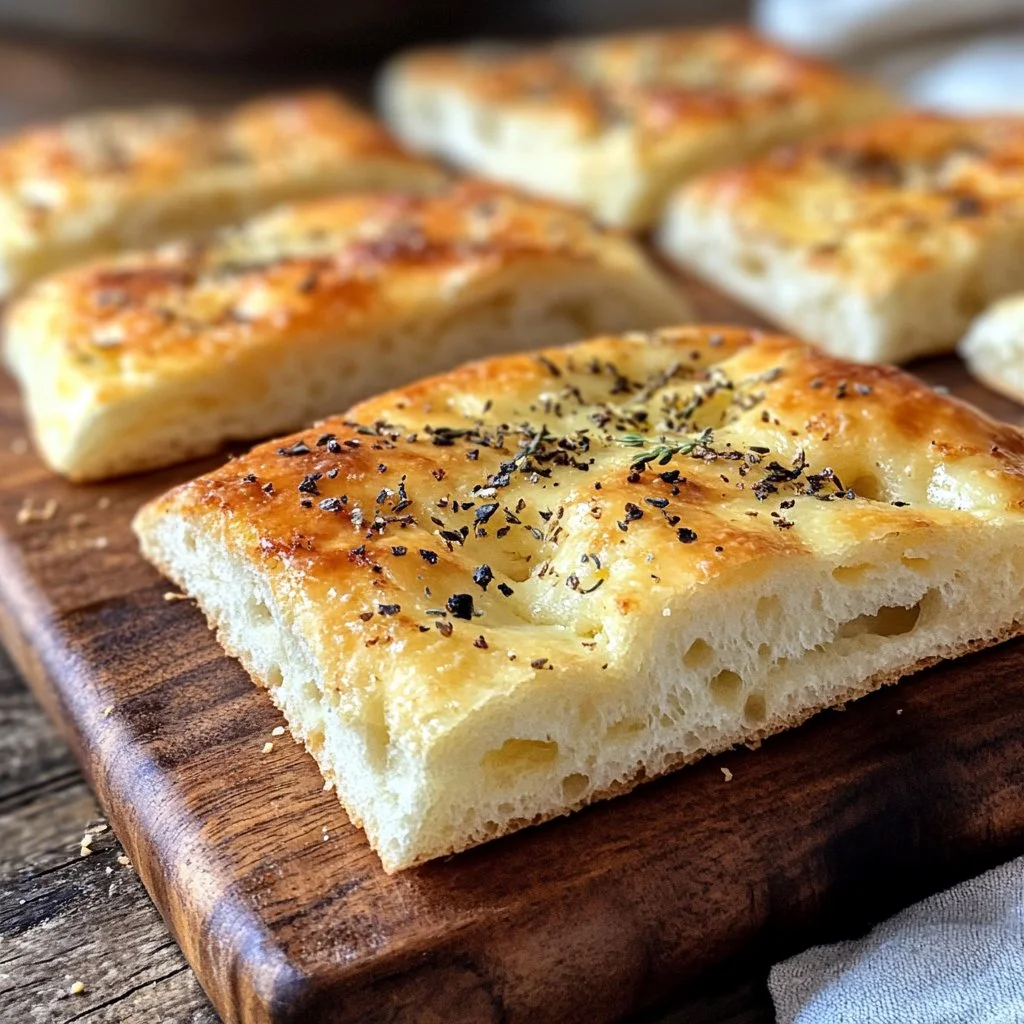
Focaccia has a special place in the realm of bread-making. Its airy and flavorful texture transforms any meal into a celebration. When I first encountered focaccia, the air was filled with the scent of fresh herbs and olive oil, drawing me into the kitchen like magic. The golden-brown crust, adorned with crunchy sea salt, looks like something out of a culinary dream. With every bite, I experienced a delightful blend of crispness and chewiness.
Embracing the art of baking focaccia became an exciting adventure. One of the best parts? Having a recipe that utilizes sourdough discard. This practice not only minimizes waste but also adds a tangy flavor profile that elevates the bread. Sourdough discard focaccia embodies inspiration and creativity, allowing home cooks to connect with something more meaningful—cooking with love and purpose.
By combining simple ingredients and techniques, anyone can enjoy this delectable bread. Sourdough discard focaccia turns everyday moments into golden experiences, satisfying cravings for both comfort and culinary delight.
The Basics of Sourdough Discard Focaccia
Fundamentals
Baking focaccia brings forth the joys of using sourdough starter discard, enriching the bread with flavor while reducing waste. Unlike traditional bread recipes that rely solely on yeast, sourdough discard focaccia utilizes natural fermentation to create a beautiful texture and depth of flavor.
Understanding the science behind this bread empowers bakers to explore variations and techniques. With just a few staple ingredients, anyone can unlock the secrets to crafting the perfect focaccia. The essentials include high-quality bread flour, warm water, and the omnipresent sourdough discard, which teams up with olive oil and salt to create a mouthwatering experience.
Focaccia isn’t just a bread; it’s a versatile canvas. While its neutral flavor pairs beautifully with various toppings, the dough’s airy structure and delightful chew make it a crowd-pleaser.
Preparation/Setup
Preparation is key when making sourdough discard focaccia. Begin by gathering essential tools such as a large mixing bowl, a clean work surface, and a baking pan lined with parchment paper. The process requires a bit of patience, but the results are undeniably worth it.
Start by mixing together 500 grams of bread flour with 450 grams of warm water in the mixing bowl. The warmth encourages yeast activity, setting the stage for a delightful rise as the dough develops. Then, add 100 grams of your sourdough starter discard and 10 grams of kosher salt to this mixture. The salt not only enhances flavor but also strengthens the gluten structure, essential for that signature soft chew of focaccia.
After combining the ingredients, let the dough rest. This essential step, known as autolyse, allows the flour to hydrate and begins the gluten development process, creating a batter-like consistency.
Ingredients
- 500 grams (4 cups + 3 tablespoons) bread flour: Provides structure and chewiness.
- 450 grams (1 ¾ cups + 2 tablespoons) warm water (80-90℉): Activates the yeast and helps develop texture.
- 100 grams (½ cup) sourdough starter discard: Adds flavor and aids fermentation.
- 10 grams (2 ½ teaspoons) kosher salt: Enhances flavor and strengthens gluten structure.
- 6 tablespoons extra virgin olive oil (divided): Helps create a rich, moist crumb.
- Fresh or dried herbs: Adds aromatic flavor and a beautiful finish for topping.
Directions
- In a large mixing bowl, combine the bread flour, warm water, sourdough starter discard, and kosher salt. Mix until well combined; the dough will have a batter-like consistency.
- Cover the bowl and let it rest for 15 minutes.
- Wet your hands and grab one edge of the dough, pulling it up and over itself. Rotate the bowl 90 degrees and repeat this process up to 16 times around the bowl. Cover and rest for 15 minutes.
- Repeat this stretching and folding process 5 more times (6 sets total), resting for 15 minutes between each set. Alternatively, mix using a stand mixer with a dough hook attachment on medium-low speed for 10-15 minutes, until the dough is smooth and elastic.
- Add 2 tablespoons of olive oil to a clean bowl. Transfer the dough to the oiled bowl, ensuring it doesn’t stick to the sides. Brush a bit of oil on top of the dough, cover, and let it rise at room temperature until doubled in size, about 4 hours.
- Line your baking pan(s)—one larger pan or two 8"x8" pans—with parchment paper and oil the paper with another 2 tablespoons of olive oil.
- Gently transfer the dough to the prepared pan. Use your fingers to spread it out. If it springs back, let it rest for 10 minutes and try again.
- Cover the dough and let it proof until noticeably puffy, about 2 hours. For a tangier flavor, refrigerate overnight after spreading it in the pan. Allow it to warm to room temperature and proof for 2-4 hours before baking.
- About 20 minutes before baking, preheat the oven to 375°F and adjust the rack to the middle position. Lightly oil your hands and use your fingertips to poke the dough all over to redistribute air bubbles.
- Drizzle the top of the focaccia with the remaining 2 tablespoons of olive oil. Sprinkle with kosher salt and your choice of herbs.
- Bake in the preheated oven for 25-30 minutes, until golden brown on top.
- Allow the focaccia to cool in the pan for 10 minutes before removing. Cut into pieces and serve warm.
Elevating Your Focaccia Technique
Technique
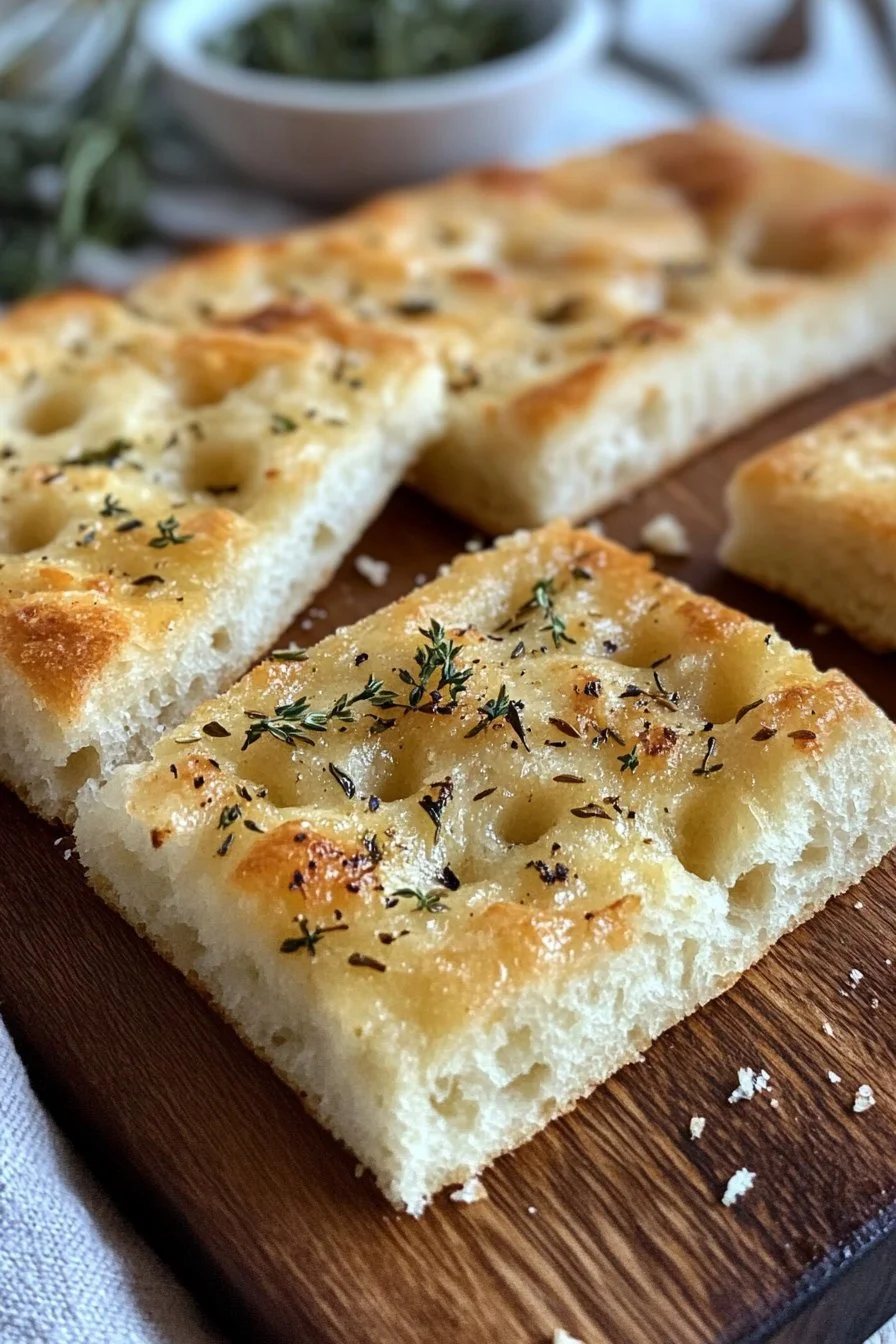
Getting the technique right is crucial for the perfect sourdough discard focaccia. The dough’s unique qualities come from both the stretching-and-folding method and the resting times, which enhance gluten development. This technique captures the air bubbles and gives focaccia that signature airy, chewy texture.
Another key aspect is the proofing time. Allowing the dough to proof properly ensures a light crumb, showcasing the intertwining of flavors. You can track how the dough rises, as it will expand visibly in the bowl and become puffy in the pan.
Using a good quality olive oil for drizzling not only adds richness but also helps achieve a crisp crust. The olive oil encourages a deep golden hue, enticing anyone to take a bite.
Tips/Tricks
- If you want a more robust flavor, consider adding a dash of garlic powder or finely grated Parmesan cheese to the dough.
- Experiment with toppings; caramelized onions, cherry tomatoes, or even olives work beautifully.
- Don’t rush the process—allow sufficient resting and proofing time for amazing results.
Perfecting Sourdough Discard Focaccia
Perfecting Results
Achieving the perfect sourdough discard focaccia involves understanding your ingredients and respecting the dough. Each step matters, from mixing and kneading to proofing and baking. Pay attention to the dough’s texture and elasticity, and make adjustments based on your kitchen’s temperature and humidity.
If the dough feels too sticky, flour your hands lightly or sprinkle a small amount of flour. Conversely, if it feels too dry, add a touch more warm water to balance the mixture.
Troubleshooting/Variations
If your focaccia doesn’t rise as expected, it could be due to a weak or inactive sourdough starter discard. Always keep track of your starter’s health and feed it regularly. For variations, try different herbs or toppings based on the seasons.
If you find your focaccia is overly dense, reevaluate your proofing times, ensuring the dough has doubled before baking.
Serving and Storing Focaccia
Serving/Presentation
Sourdough discard focaccia is perfect for various occasions. Serve it warm as an appetizer or alongside main dishes, making it a versatile addition to any meal. Cut into squares or strips, it serves beautifully on a wooden board or platter.
You can also try pairing it with dips like hummus, a creamy spread, or olive oil mixed with balsamic vinegar. The options are endless, and the focus always remains on that delightful, slightly tangy taste.
Pairings/Storage
Aside from its natural ability to compliment a wide array of meals, consider pairing it with fresh salads or charcuterie boards. For storage, wrap any leftovers in parchment paper and place them in a resealable plastic bag. Store at room temperature for up to two days, or refrigerate for up to a week to preserve freshness.
To enjoy it later, reheat slices in the oven for a few minutes to regain that soft center and crisp crust. Focaccia is best when served fresh but can hold its own with proper storage.
Conclusion
Sourdough discard focaccia embodies the warmth and joy of baking. The blend of simple ingredients and the techniques involved make it accessible for everyone, from novice bakers to seasoned chefs. The result is a flavor-packed, airy bread that enhances any dining experience. Dive into the world of baking with this recipe, and celebrate the joy that comes with each delectable slice. Whether served warm on its own or paired with your favorite dishes, this focaccia promises to elevate your culinary adventures.
Print
Sourdough Discard Focaccia
- Prep Time: 15 minutes
- Cook Time: 30 minutes
- Total Time: 45 minutes
- Yield: 8 servings
- Category: Bread
- Method: Baking
- Cuisine: Italian
- Diet: Vegetarian
Description
Delightful sourdough discard focaccia featuring a golden-brown crust and airy texture, perfect as a side or appetizer.
Ingredients
- 500 grams (4 cups + 3 tablespoons) bread flour
- 450 grams (1 ¾ cups + 2 tablespoons) warm water
- 100 grams (½ cup) sourdough starter discard
- 10 grams (2 ½ teaspoons) kosher salt
- 6 tablespoons extra virgin olive oil (divided)
- Fresh or dried herbs for topping
Instructions
- In a large mixing bowl, combine the bread flour, warm water, sourdough starter discard, and kosher salt. Mix until well combined; the dough will have a batter-like consistency.
- Cover the bowl and let it rest for 15 minutes.
- Wet your hands and grab one edge of the dough, pulling it up and over itself. Rotate the bowl 90 degrees and repeat this process up to 16 times around the bowl. Cover and rest for 15 minutes.
- Repeat this stretching and folding process 5 more times (6 sets total), resting for 15 minutes between each set.
- Add 2 tablespoons of olive oil to a clean bowl. Transfer the dough to the oiled bowl, ensuring it doesn’t stick to the sides. Brush oil on top, cover, and let rise for about 4 hours until doubled in size.
- Line your baking pan with parchment paper and oil it with 2 tablespoons of olive oil.
- Gently transfer the dough to the prepared pan, spreading it out with your fingers. If it springs back, let it rest for 10 minutes and try again.
- Cover the dough and let it proof until puffy, about 2 hours.
- Preheat the oven to 375°F, oil your hands, and poke the dough all over to redistribute air bubbles.
- Drizzle the top of the focaccia with the remaining olive oil, sprinkle with salt and herbs.
- Bake for 25-30 minutes until golden brown.
- Cool in the pan for 10 minutes before removing and serving warm.
Notes
For variations, try adding garlic powder or finely grated Parmesan cheese to the dough, and experiment with different toppings.