
📑 Table of Contents ▶
- Ribollita Soup Fundamentals
- The Heart of Ribollita Soup
- Preparation and Setup
- Directions
- A Twist on Tradition: Perfecting Ribollita Soup
- Technique
- Tips and Tricks
- Troubleshooting and Variations for Ribollita Soup
- Perfecting Results
- Handling Variations
- Serving and Storing Ribollita Soup
- Presentation
- Pairings and Storage
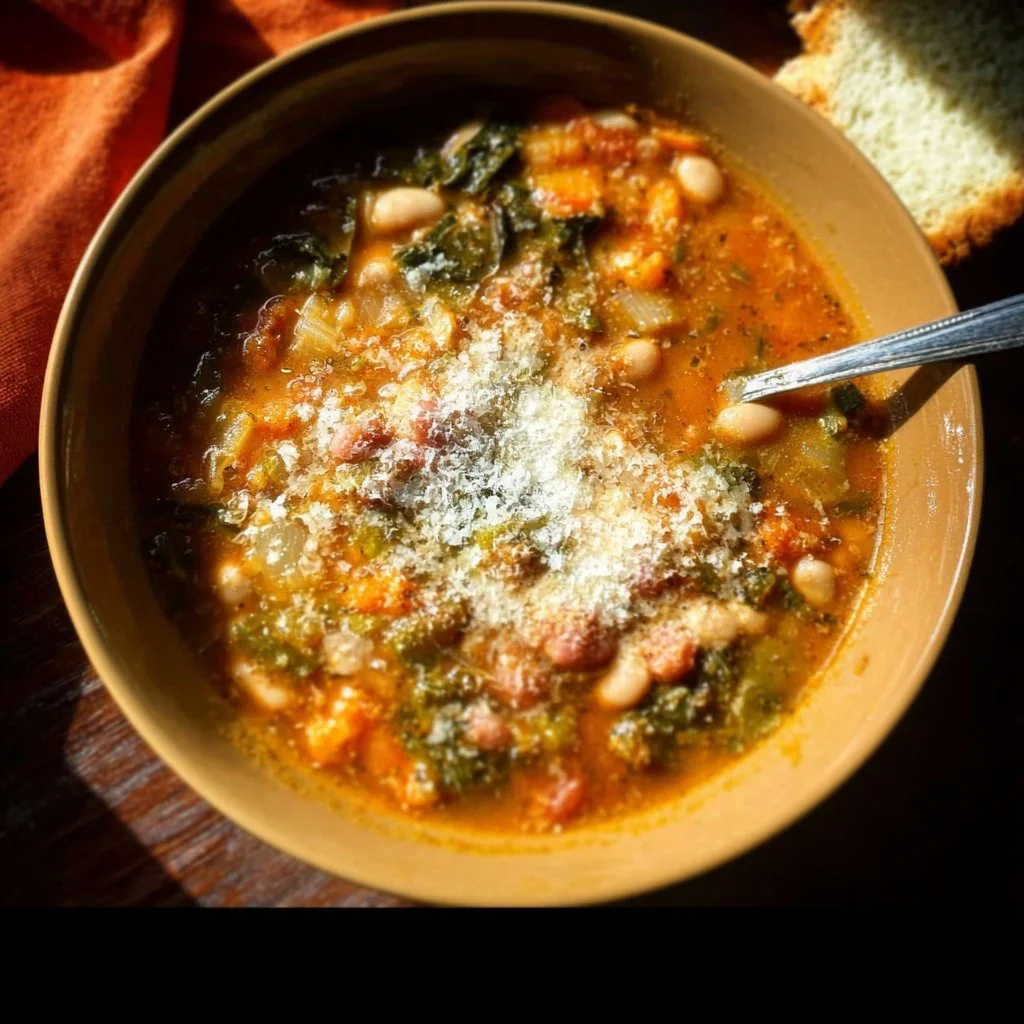
Ribollita Soup
Ribollita soup stands as a comforting symbol of home cooking, filled with rustic charm and flavor. Each bowl tells a story rooted in the kitchen, where family conversations weave in and out of simmering broth. The essence of this delightful dish lies in its simplicity. Using humble ingredients, it transforms into a hearty meal that nourishes both body and soul.
Many cherished memories of cooking Ribollita revolve around chilly evenings. The aroma wafting through the house while preparing this dish invites everyone to gather around the table. Kneading, chopping, and stirring becomes a meditative ritual, a dance of preparation amidst warm conversations and laughter.
Every spoonful speaks of togetherness, a gentle reminder of how food unites us. This Ribollita soup is not just a recipe; it embodies warmth, comfort, and shared moments. Gather your loved ones and experience the joy of cooking together with a rich, filling bowl of Ribollita filled to the brim with flavor.
Ribollita Soup Fundamentals
The Heart of Ribollita Soup
Ribollita, sometimes referred to as a Tuscan vegetable soup, focuses on wholesome ingredients and bold flavors. At its core, the recipe celebrates the beauty of beans and greens, paired alongside savory vegetables and aromatic herbs. The authenticity of Ribollita shines through its use of locally sourced ingredients; think of it as a tribute to what fresh produce offers.
Cannellini beans provide a creamy texture, serving as a protein-packed foundation. Kale adds a vibrant green hue while infusing the dish with nutrients. The combination creates a filling and nutritious meal with every ingredient playing a crucial role in the flavor profile.
More than just a soup, Ribollita represents sustainability by utilizing leftover stale bread, bringing the entire dish together. Foods not only prevent waste but enhance the richness of the soup, offering a delightful taste experience.
Preparation and Setup
Preparing Ribollita requires minimal equipment but pays off in taste. Start by gathering the ingredients: cannellini beans, kale, diced onion, carrots, celery, minced garlic, vegetable broth, diced tomatoes, stale bread, thyme, salt, and pepper.
Using a large pot is ideal; it allows room for the vegetables to sauté properly without overcrowding. Set your stovetop to medium heat and get the pot warmed up.
Chop the vegetables ahead of time for an efficient cooking process. This will streamline the sautéing, ensuring that each component cooks evenly and melds together beautifully.
Ingredients
- 2 cups cannellini beans, cooked or canned
- 1 bunch kale, chopped
- 1 onion, diced
- 2 carrots, diced
- 2 celery stalks, diced
- 4 cloves garlic, minced
- 6 cups vegetable broth
- 2 cups diced tomatoes
- 3 cups stale bread, torn into pieces
- 2 teaspoons thyme
- Salt and pepper to taste
- Olive oil for drizzling
Directions
Start this hearty Ribollita soup by heating olive oil in your large pot over medium heat. Add in the diced onion, carrots, and celery. Sauté these veggies until softened for about five minutes.
Once they soften, toss in the minced garlic and thyme, cooking for one additional minute. This releases the aromatic essence of the garlic and herb, coating the base with flavor.
Next, stir in the chopped kale. Cook until the kale wilts down, integrating it with the rest of the vegetables. It should become tender but still vibrant.
Now, it’s time to introduce the heart of the soup—the cannellini beans, diced tomatoes, and vegetable broth. Season with salt and pepper to your preference. Allow it all to come to a boil before reducing the heat. Let the soup simmer for about 20 minutes, allowing the flavors to deepen.
Finally, add the torn stale bread, stirring to combine. Let it cook for an extra 10 minutes, giving the bread time to soak up the delicious broth. Serve hot, finished off with a drizzle of olive oil on top for a refined touch.
A Twist on Tradition: Perfecting Ribollita Soup
Technique
Perfecting Ribollita soup relies on a delicate balance of flavors and textures. The sautéed vegetables form a solid base, while the beans provide creaminess. Make sure to sauté over medium heat; this prevents the vegetables from burning and enhances the overall flavor.
Before serving, taste the soup to adjust the seasoning. You may want to add more salt or pepper based on your preference, achieving a flavorful blend that suits your palate.
Tips and Tricks
To elevate your Ribollita experience, consider a few additional tips. Incorporate other seasonal vegetables like zucchini or bell peppers for added texture and variety.
Don’t hesitate to swap out thyme for other herbs like rosemary or oregano. Each herb offers its own flair and fragrance, allowing for personal customization.
Use stale bread conservatively—too much can overpower the soup’s smooth qualities. Keep it distributed evenly rather than clumped together, ensuring every bowl has a delightful ratio of bread to broth.
Troubleshooting and Variations for Ribollita Soup
Perfecting Results
Creating the optimal Ribollita may take a few tries depending on your taste and preferences. If the soup appears too thick after simmering, add a splash more vegetable broth until you achieve your desired consistency.
Conversely, if too much broth remains, consider adding extra stale bread, which can absorb the excess liquid while enriching the dish.
Handling Variations
Are you following a gluten-free diet? Use gluten-free bread or skip the bread altogether. This maintains the soup’s hearty characteristics while making it suitable for diverse diets.
You can also explore adding grains like quinoa or barley. These options provide satisfying texture while increasing the soup’s nutritional value.
Serving and Storing Ribollita Soup
Presentation
Serving Ribollita soup invites creativity. Use rustic bowls for a homey feel, and garnish each serving with a sprinkle of fresh herbs or additional olive oil.
Accompany the soup with crusty bread or a simple mixed greens salad for a complete meal experience.
Pairings and Storage
While Ribollita shines on its own, consider pairing it with refreshing sides like cucumber salad or roasted vegetables for extra diversity in texture.
Store leftovers in an airtight container in the refrigerator for up to four days. The flavors deepen over time, often making the next day’s bowl even tastier. When reheating, add a small splash of vegetable broth to prevent the soup from thickening too much.
Ribollita soup embodies appreciation for good, wholesome food. It celebrates the beauty of community and connection, making it an essential recipe in any household.
Indulge in this savory soup, and enjoy it with those you love, making every moment around the table special.
Print
Ribollita Soup
- Prep Time: 15 minutes
- Cook Time: 35 minutes
- Total Time: 50 minutes
- Yield: 6 servings
- Category: Soups
- Method: Simmering
- Cuisine: Italian
- Diet: Vegetarian
Description
A comforting Tuscan vegetable soup featuring beans, greens, and stale bread, perfect for chilly evenings.
Ingredients
- 2 cups cannellini beans, cooked or canned
- 1 bunch kale, chopped
- 1 onion, diced
- 2 carrots, diced
- 2 celery stalks, diced
- 4 cloves garlic, minced
- 6 cups vegetable broth
- 2 cups diced tomatoes
- 3 cups stale bread, torn into pieces
- 2 teaspoons thyme
- Salt and pepper to taste
- Olive oil for drizzling
Instructions
- Heat olive oil in a large pot over medium heat. Add diced onion, carrots, and celery. Sauté until softened, about 5 minutes.
- Add minced garlic and thyme, cooking for an additional minute.
- Stir in the chopped kale and cook until wilted.
- Add cannellini beans, diced tomatoes, and vegetable broth. Season with salt and pepper and bring to a boil.
- Reduce heat and let the soup simmer for about 20 minutes.
- Add torn stale bread, stirring to combine, and cook for an additional 10 minutes.
- Serve hot with a drizzle of olive oil on top.
Notes
Feel free to customize with other seasonal vegetables or herbs to suit your taste. Adjust the amount of stale bread based on your preference.