
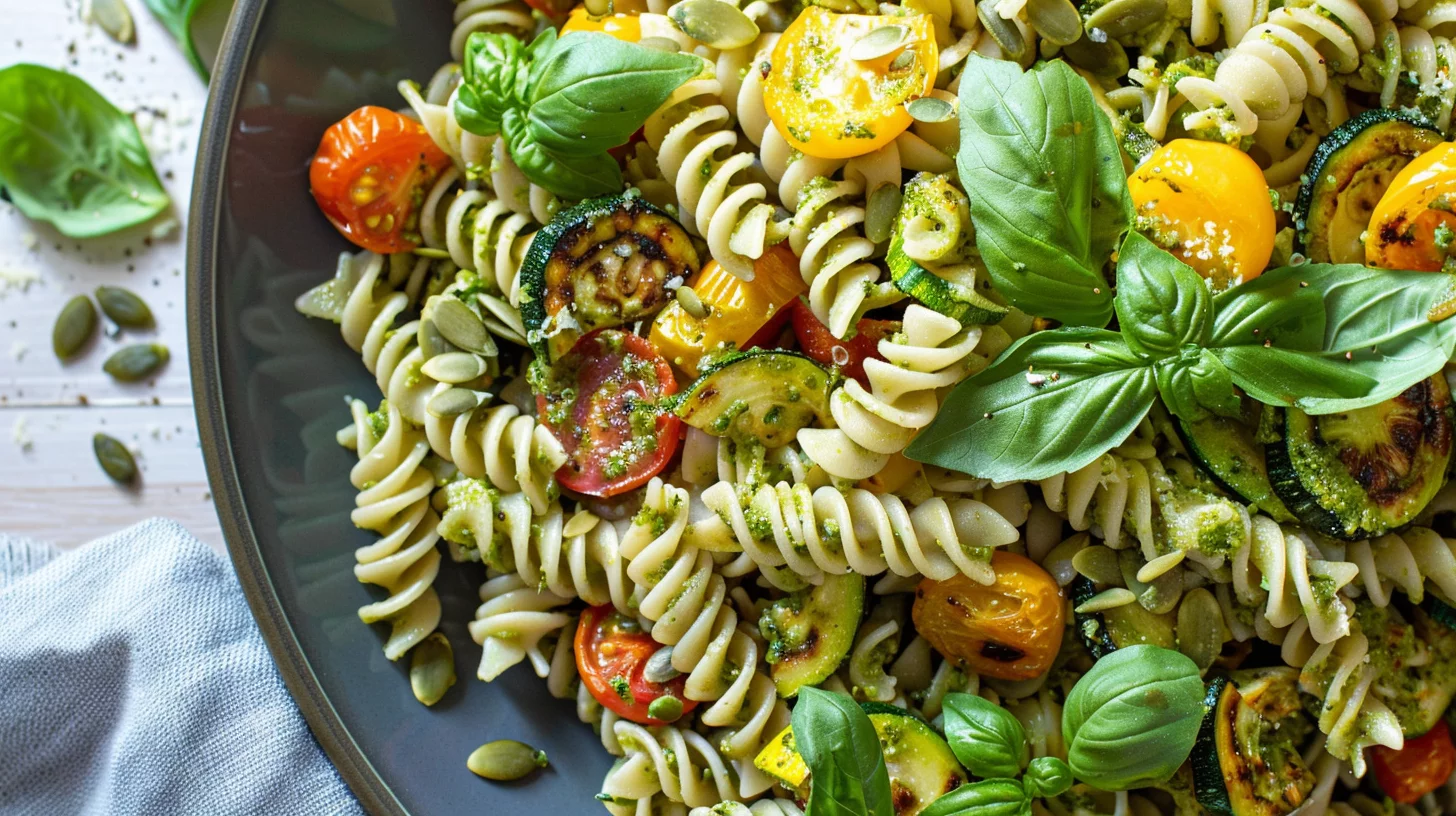
📑 Table of Contents ▶
- Pesto Pasta with Fresh Veggies
- Pesto Pasta with Fresh Veggies: A Culinary Delight
- Fundamentals
- Preparation/setup
- Mastering the Art of Pesto Pasta with Fresh Veggies
- Technique
- Tips/tricks
- Elevating Pesto Pasta with Fresh Veggies
- Perfecting results
- Troubleshooting/variations
- Serving and Enjoying Pesto Pasta with Fresh Veggies
- Serving/presentation
- Pairings/storage
- Conclusion
- FAQs – Pesto Pasta with Fresh Veggies
I believe that a good recipe has the power to bring people together, spark joy, and turn ordinary moments into cherished memories. I created Yumoti.com as a place where food lovers of all kinds can find recipes that are simple, soulful, and always full of flavor.
My love for cooking started long before I ever picked up a cookbook. I was raised in a home where the kitchen was the heart of everything. The clatter of pots, the smell of herbs simmering, and the warmth of shared meals are some of my earliest and fondest memories.
My grandmother was my biggest inspiration—she didn’t need fancy ingredients or complicated techniques to make magic happen. Her meals were a reflection of care, patience, and creativity. Watching her cook taught me that food is more than sustenance—it’s a language of love.
Those moments planted the seed that would eventually grow into Yumoti. Pesto pasta with fresh veggies is one of those dishes that captures the essence of my culinary journey. Simple yet flavorful, it brings together the vibrant taste of fresh vegetables and the aromatic allure of pesto in a way that’s both comforting and exciting.
Print
Pesto Pasta with Fresh Veggies
- Prep Time: 20 minutes
- Cook Time: 45 minutes
- Total Time: 1 hour 5 minutes
- Yield: 4 servings
- Category: Main Course
- Method: Baking
- Cuisine: Italian
Description
Discover how to make delicious Pesto Pasta with Fresh Veggies that’s perfect for a quick and healthy meal. Get the recipe now!
Ingredients
- – 1 lb (454 g) rotini pasta
- – 2.5 cups (600 ml) quartered zucchini (from 1 large zucchini)
- – 4 cups (960 ml) quartered yellow squash (from 1 large yellow squash)
- – 1 pint (473 ml) cherry tomatoes
- – 1/4 cup (60 ml) olive oil
- – 1/2 teaspoon (3 ml) salt
- – 4 cups (960 ml) basil leaves (packed)
- – 2/3 cup (160 ml) goat cheese (crumbled)
- – 1/2 cup (120 ml) pumpkin seeds
- – 4 small garlic cloves
- – 1/2 cup (120 ml) olive oil
Instructions
- Set your oven to 375°F to warm it up.
- Combine the olive oil and salt in a 9×5 baking dish, then add the quartered zucchini, yellow squash, and cherry tomatoes. Mix the vegetables to ensure they are coated, and place them in the oven to bake for 45 minutes.
- While the vegetables are cooking, prepare the pasta following the instructions on the package, making sure to save ½ cup of the water from the pasta.
- To make the pesto, place the basil leaves, goat cheese, pumpkin seeds, and garlic cloves in a food processor or blender. Process or blend until finely chopped.
- Gradually add the olive oil while blending or pulsing until the mixture is smooth and well-combined.
- Once the vegetables have finished roasting, place the cooked pasta on top and add the freshly made pesto.
- Mix everything thoroughly, adding a bit of the reserved pasta water if needed to achieve the desired consistency for the pesto.
- Top with fresh basil leaves and additional goat cheese, then savor your dish!
Notes
- For a smoother pesto, increase the amount of goat cheese in the mixture.
- To enhance the nutty flavor, swap pumpkin seeds with pine nuts in the pesto.
- Add a pinch of crushed red pepper flakes for a spicy kick to the dish.
Pesto Pasta with Fresh Veggies: A Culinary Delight
Fundamentals
Creating the perfect pesto pasta with fresh veggies starts with understanding the basic components. The heart of this dish lies in its vibrant pesto sauce, made from fresh basil leaves, creamy goat cheese, crunchy pumpkin seeds, and aromatic garlic. These ingredients blend together to form a rich, flavorful sauce that complements the roasted vegetables perfectly.
Equally important is the choice of pasta. Rotini pasta is ideal for this recipe because its spiral shape holds the pesto sauce beautifully, ensuring every bite is packed with flavor. Fresh vegetables like zucchini, yellow squash, and cherry tomatoes add a burst of color and freshness, making this dish as visually appealing as it is delicious.
Preparation/setup
Begin by preheating your oven to 375°F. In a 9×5 baking dish, mix olive oil and salt, then add the quartered zucchini, yellow squash, and cherry tomatoes. Ensure the vegetables are well-coated before placing them in the oven to bake for 45 minutes. While the vegetables roast, cook the rotini pasta according to package instructions, remembering to reserve half a cup of pasta water.
While waiting, prepare the pesto by combining basil leaves, goat cheese, pumpkin seeds, and garlic cloves in a food processor. Blend until finely chopped, then gradually add olive oil until the mixture is smooth. This homemade pesto will serve as the flavor backbone for your dish.
Mastering the Art of Pesto Pasta with Fresh Veggies
Technique
The key to a successful pesto pasta with fresh veggies is in the layering of flavors. Start with roasted vegetables, as their caramelized edges add depth and sweetness. The combination of zucchini, yellow squash, and cherry tomatoes not only provides a range of textures but also enhances the dish’s visual appeal.
Once your vegetables are perfectly roasted, layer them over the cooked rotini pasta. Add the freshly made pesto, ensuring it coats every piece of pasta and vegetable. If the pesto seems too thick, use the reserved pasta water to adjust the consistency until it reaches a creamy texture that clings well to the pasta spirals.
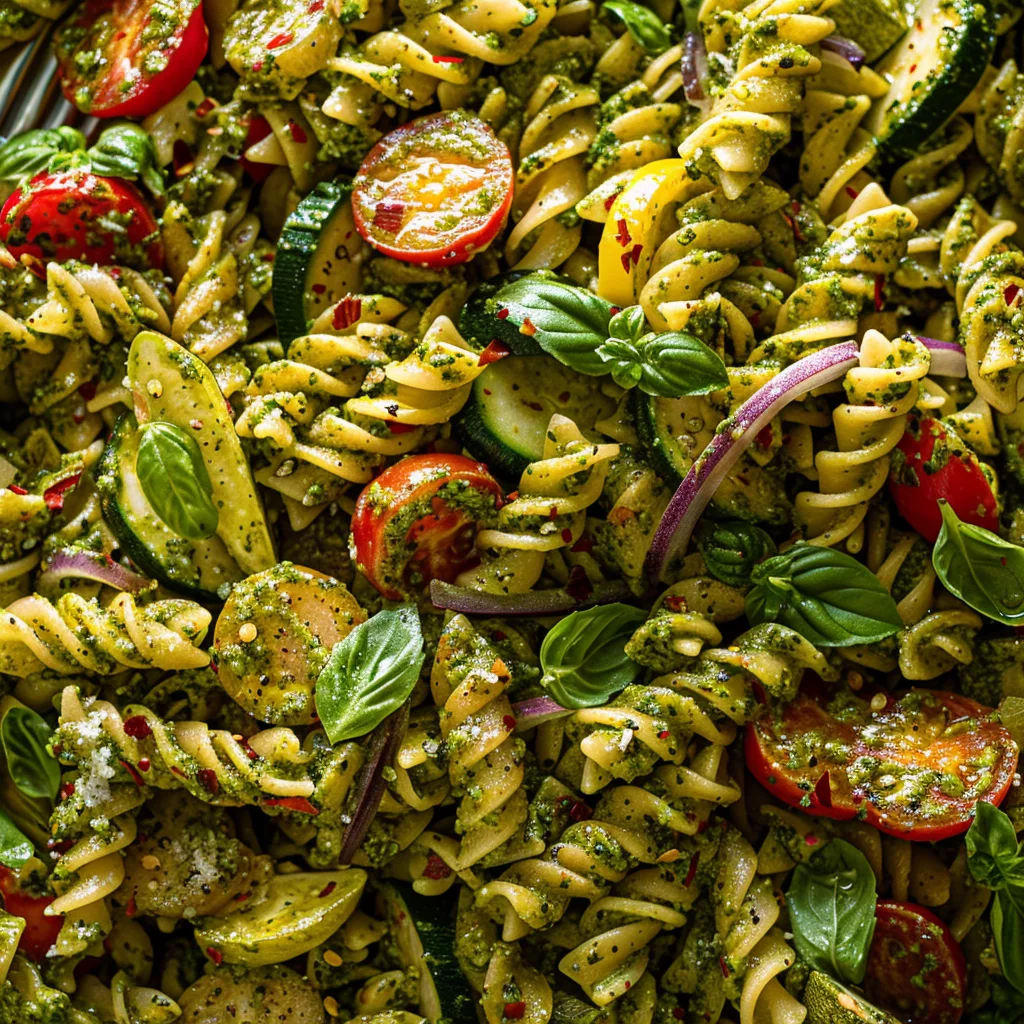
Pesto Pasta with Fresh Veggies
Tips/tricks
For the best results, use fresh ingredients whenever possible. Fresh basil leaves and ripe cherry tomatoes will significantly enhance the flavor and aroma of your pesto pasta with fresh veggies. If you prefer a nutty undertone, lightly toast the pumpkin seeds before blending them into the pesto.
Consider adding a touch of lemon juice to the pesto for a fresh and zesty kick. This small adjustment can brighten the overall flavor profile of the dish, making it even more vibrant. Additionally, you can experiment with different types of cheese if goat cheese isn’t to your liking. Feta or Parmesan can provide a delightful twist.
Elevating Pesto Pasta with Fresh Veggies
Perfecting results
To perfect your pesto pasta with fresh veggies, pay attention to the balance of flavors. The earthiness of the pesto should harmonize with the sweetness of the roasted vegetables. Taste as you go, adjusting the seasoning to suit your preference. Adding a pinch more salt or a drizzle of olive oil can make all the difference.
Presentation also plays a crucial role in the dining experience. Arrange the pasta and vegetables artfully on a serving platter, and garnish with additional goat cheese and fresh basil leaves for a pop of color and flavor. This attention to detail elevates the dish from a simple meal to a culinary masterpiece.
Troubleshooting/variations
If your pesto turns out too thick, don’t hesitate to add more olive oil or pasta water. This adjustment will help achieve a smoother consistency. For those who enjoy a bit of heat, consider incorporating a pinch of red pepper flakes into the pesto for a subtle kick.
Feel free to experiment with different vegetables as well. Bell peppers, asparagus, or mushrooms can be wonderful additions or substitutions, providing new flavors and textures. This flexibility makes pesto pasta with fresh veggies a versatile dish that can change with the seasons.
Serving and Enjoying Pesto Pasta with Fresh Veggies
Serving/presentation
When serving pesto pasta with fresh veggies, consider pairing it with a light side dish to complement its rich flavors. A Fresh Tomato Caprese Salad or a Refreshing Chickpea Salad can offer a refreshing contrast. For those who love seafood, a Garlic Butter Shrimp Scampi Pasta can be a delightful pairing.
When plating, sprinkle additional goat cheese and fresh basil leaves on top for garnish. This simple touch not only enhances the visual appeal but also adds layers of flavor with every bite. Serve the dish immediately to enjoy the vibrant colors and fresh taste at their best.
Pairings/storage
Storing leftovers is simple. Transfer any remaining pesto pasta with fresh veggies into an airtight container and refrigerate for up to three days. When reheating, add a splash of olive oil or water to maintain the dish’s creamy consistency.
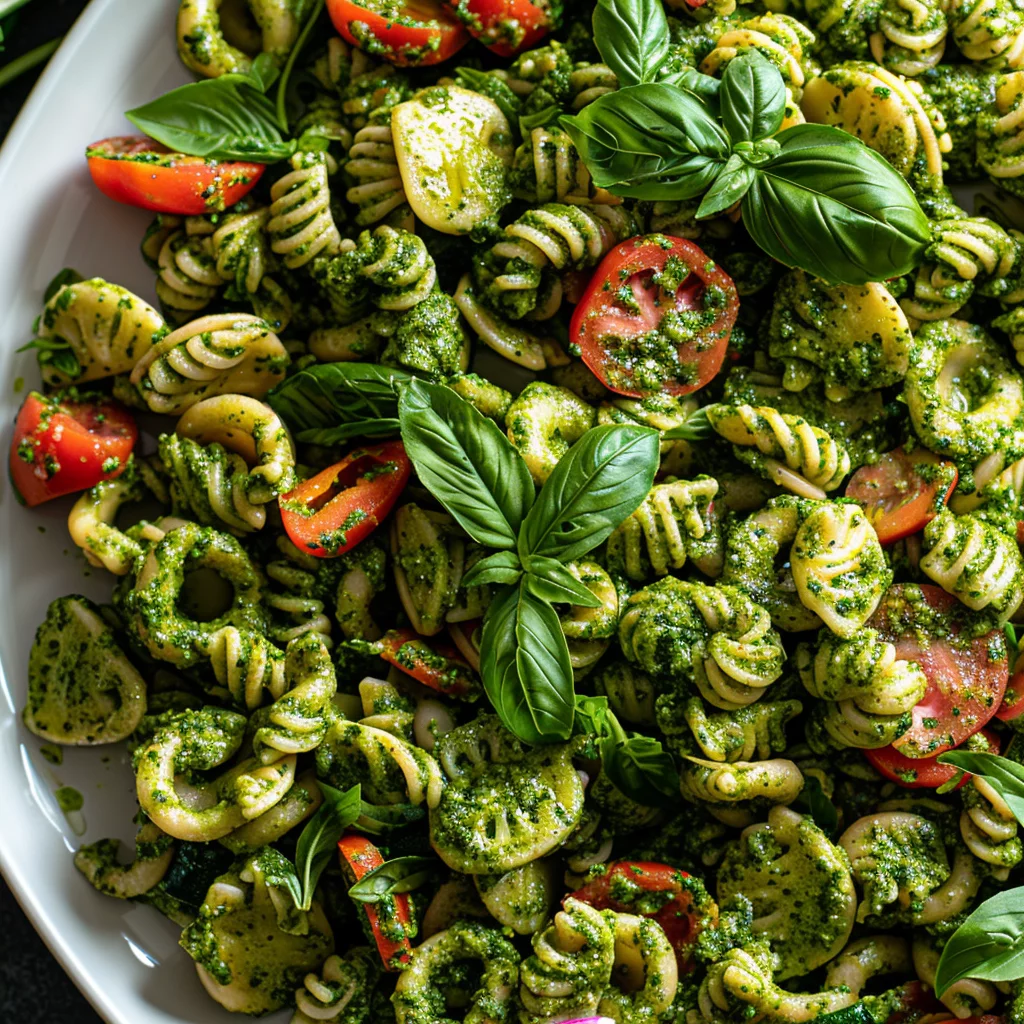
Pesto Pasta with Fresh Veggies
For those looking to explore other culinary delights, try pairing this dish with a Grilled Salmon with Seasonal Veggies or a Hummus and Fresh Veggie Platter. These options offer complementary flavors that enhance the overall dining experience.
Conclusion
Pesto pasta with fresh veggies not only brings together vibrant flavors and textures but also embodies the joy of cooking with fresh, simple ingredients. This dish is versatile enough to adapt to different tastes and preferences, making it a staple in any kitchen.
The combination of roasted vegetables, creamy pesto, and tender rotini pasta creates a meal that’s both satisfying and nourishing. Whether enjoyed as a quick weeknight dinner or a special weekend treat, this recipe is sure to become a favorite among family and friends.
Embrace the simplicity and flavor of pesto pasta with fresh veggies, and let it inspire you to explore more culinary adventures. With each bite, you’ll discover the beauty of transforming humble ingredients into a dish that’s truly memorable.