
📑 Table of Contents ▶
- The Fundamentals of Overnight Focaccia
- Understanding Focaccia
- Preparation and Setup
- Directions
- Mastering the Art of Overnight Focaccia
- Technique
- Tips and Tricks
- Perfecting Your Overnight Focaccia
- Perfecting Results
- Troubleshooting and Variations
- Serving Your Overnight Focaccia
- Serving and Presentation
- Pairing and Storage
- Conclusion
Overnight Focaccia
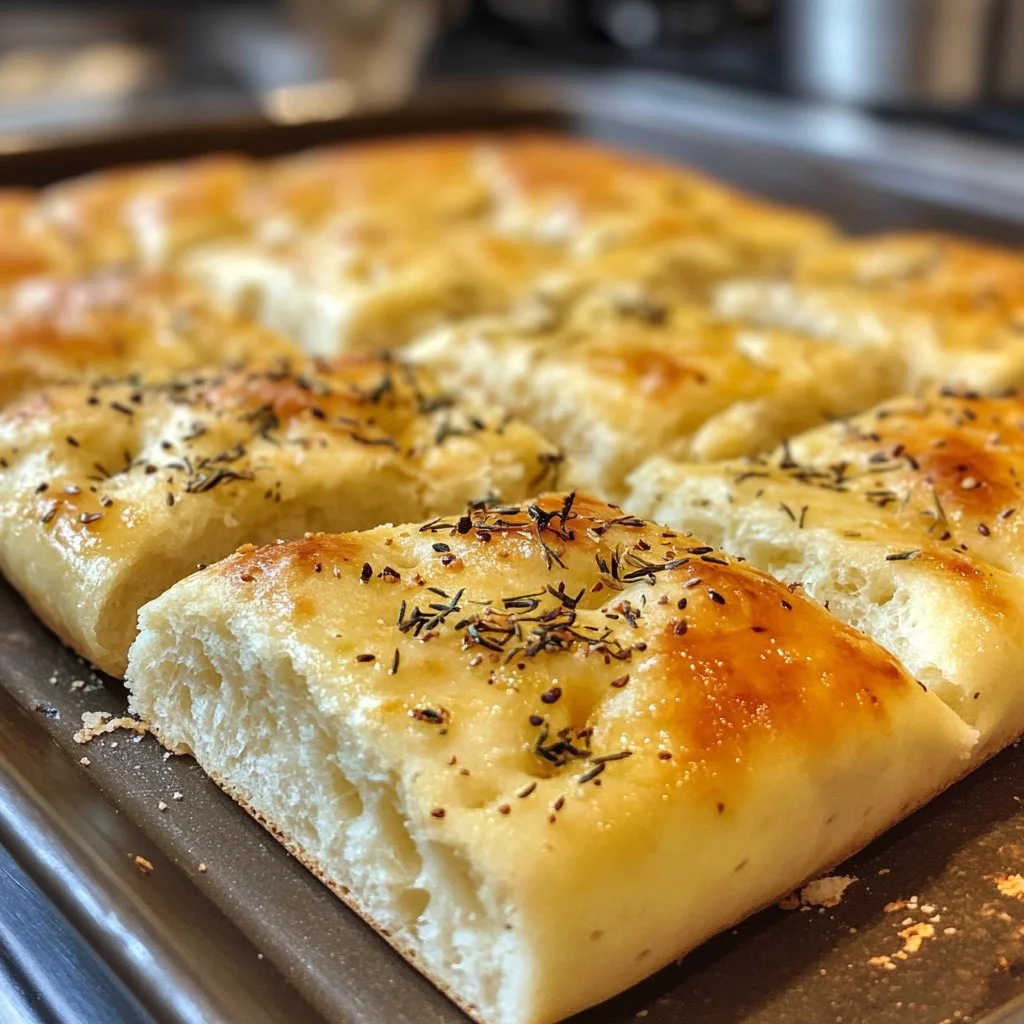
A recent evening, while prepping for a family gathering, I discovered the magic of overnight focaccia. Imagine the delight on your loved ones’ faces as they sink their teeth into soft, pillowy bread—one that you prepared effortlessly the day before! This overnight focaccia recipe transforms a few simple ingredients into a flavorful, aromatic dish that doesn’t require constant attention.
Every time I prepare this dish, the process feels like a warm hug. The fragrant mix of garlic, rosemary, and olive oil fills the kitchen, instantly turning it into a haven. By the time dinner rolls around, my homemade focaccia becomes the star of the table, leaving everyone craving more. The best part? You get to enjoy that bliss with minimal effort.
Overnight focaccia is about planning ahead without skimping on flavor or authenticity. By allowing the dough to rest, you develop rich textures that makes each bite memorable. This simple recipe not only sparks joy in the kitchen but also enriches your dining experience, bringing friends and family closer together.
The Fundamentals of Overnight Focaccia
Understanding Focaccia
Focaccia hails from Italy, renowned for its soft, chewy texture and crispy exterior. It’s often topped with various herbs and spices, allowing for a multitude of flavor profiles. The foundation of focaccia lies in its dough, made primarily from flour, water, yeast, and salt.
This overnight focaccia recipe yields a delightfully airy and flavorful loaf. The long fermentation process enhances the dough, giving it a subtle tang that regular bread can’t replicate. As you learn to make this focaccia, embrace the versatility of this simple bread.
Preparation and Setup
Preparing for overnight focaccia involves limited ingredients and time. Start by gathering your essentials: 480 grams of King Arthur All-Purpose Flour, 390 grams of warm water, honey, kosher salt, active dry yeast, and extra virgin olive oil. Additionally, you’ll need minced garlic, chopped rosemary, oregano, and freshly grated Parmigiano-Reggiano for a savory topping.
Begin by combining the honey and yeast in warm water. Allow this mixture to sit for five minutes, during which the yeast activates and begins to froth. Next, whisk together your flour and salt in a separate bowl. Once your yeast mixture is ready, combine it with the dry ingredients, along with olive oil. Stir until you create a cohesive, wet dough.
Ingredients
- 480 grams King Arthur All-Purpose Flour
- 390 grams warm water
- 14 grams honey
- 14 grams kosher salt
- 2 grams active dry yeast
- 40 grams extra virgin olive oil
- 1 to 2 sprigs of rosemary, chopped
- 2 cloves garlic, finely minced
- 1 tsp oregano
- Kosher salt, to taste
- Pinch of red pepper flakes
- Parmigiano-Reggiano, freshly grated
Directions
- Combine honey and yeast in warm water and mix well. Let it sit for 5 minutes.
- In another bowl, whisk flour and salt together.
- Gradually pour the water mixture and olive oil into the flour. Stir until combined, forming a wet blob of dough.
- Cover the bowl with plastic wrap and a kitchen towel. Allow it to rest for five minutes.
- After resting, wet your hand and stretch and fold the dough 4-5 times, rotating the bowl after each fold. Cover and rest for another 15 minutes.
- Repeat the stretch and fold process. After this round, flip the dough so the smooth side is up. Drizzle olive oil on top, making sure to coat the dough. Cover and refrigerate for 12-18 hours.
- The next day, pour some olive oil into the bottom of a 9×13 pan. Remove the dough from the fridge; it should have risen and formed air bubbles. Pour the dough into the pan, ensuring the smooth side is on top. Cover and let it sit in a warm spot for 2-4 hours, until the dough fills 85-90% of the pan.
- Prepare the brine by dissolving salt in warm water. Uncover the dough, dimple it using your fingertips, and pour the brine over it.
- Cover again and let proof for 45 minutes. Preheat the oven to 500 degrees Fahrenheit during this time.
- While the dough proofs, mix together the topping ingredients (chopped rosemary, minced garlic, oregano, olive oil, red pepper flakes, and cheese) and set them aside.
- Once the final proofing is complete, uncover the dough, pour the topping over it, and drizzle with more olive oil. Optionally, add more Parmigiano-Reggiano.
- Lower the oven temperature to 425 degrees Fahrenheit and bake the focaccia for around 30 minutes or until golden brown. Ensure the internal temperature reaches at least 200 degrees Fahrenheit.
- For the last 15 minutes, move the focaccia to the bottom rack for extra crispness.
- Remove from the oven, let it rest in the tray for 7 minutes, and transfer to a wire rack to cool completely.
Mastering the Art of Overnight Focaccia
Technique
The secret to mastering focaccia lies in the technique. The stretch and fold process during the first few hours plays a pivotal role in developing the gluten structure. This helps create an airy and light texture—essential features of good focaccia.
Be mindful of the fermentation times. Each rise enhances the flavor and texture, allowing the dough to develop complexity. Monitor the dough closely during its final proof. Overproofing may result in a flat loaf, while underproofing can lead to denser bread.
Tips and Tricks
For the best results, use a kitchen scale. Measuring ingredients precisely will elevate the quality of your focaccia. Additionally, don’t skip the drizzling of olive oil in the baking pan; this not only adds flavor but also prevents sticking.
Experiment with toppings based on your taste. Garlic and rosemary prominently shine in this recipe, but consider sun-dried tomatoes or olives for a Mediterranean twist. You can add cheese before baking for that extra creamy texture on top.
Perfecting Your Overnight Focaccia
Perfecting Results
Perfecting focaccia requires practice and may take a few tries to achieve consistency. Don’t get discouraged if your first loaf doesn’t turn out as expected. Each attempt allows you to learn.
Monitor the dough’s elasticity; it should become smooth and stretchable after each folding session. Another crucial factor is baking time. Know your oven well, as different models can yield varying results.
Troubleshooting and Variations
Should your focaccia turn out denser than expected, evaluate your kneading and proofing times. Insufficient folding can lead to compact bread, while inadequate proofing may not allow the dough to rise correctly.
If you’d like to customize this recipe, consider adding herbs or spices. Different types of flour can yield unique flavors as well. Experiment with whole wheat or semolina flour for varied textures.
Serving Your Overnight Focaccia
Serving and Presentation
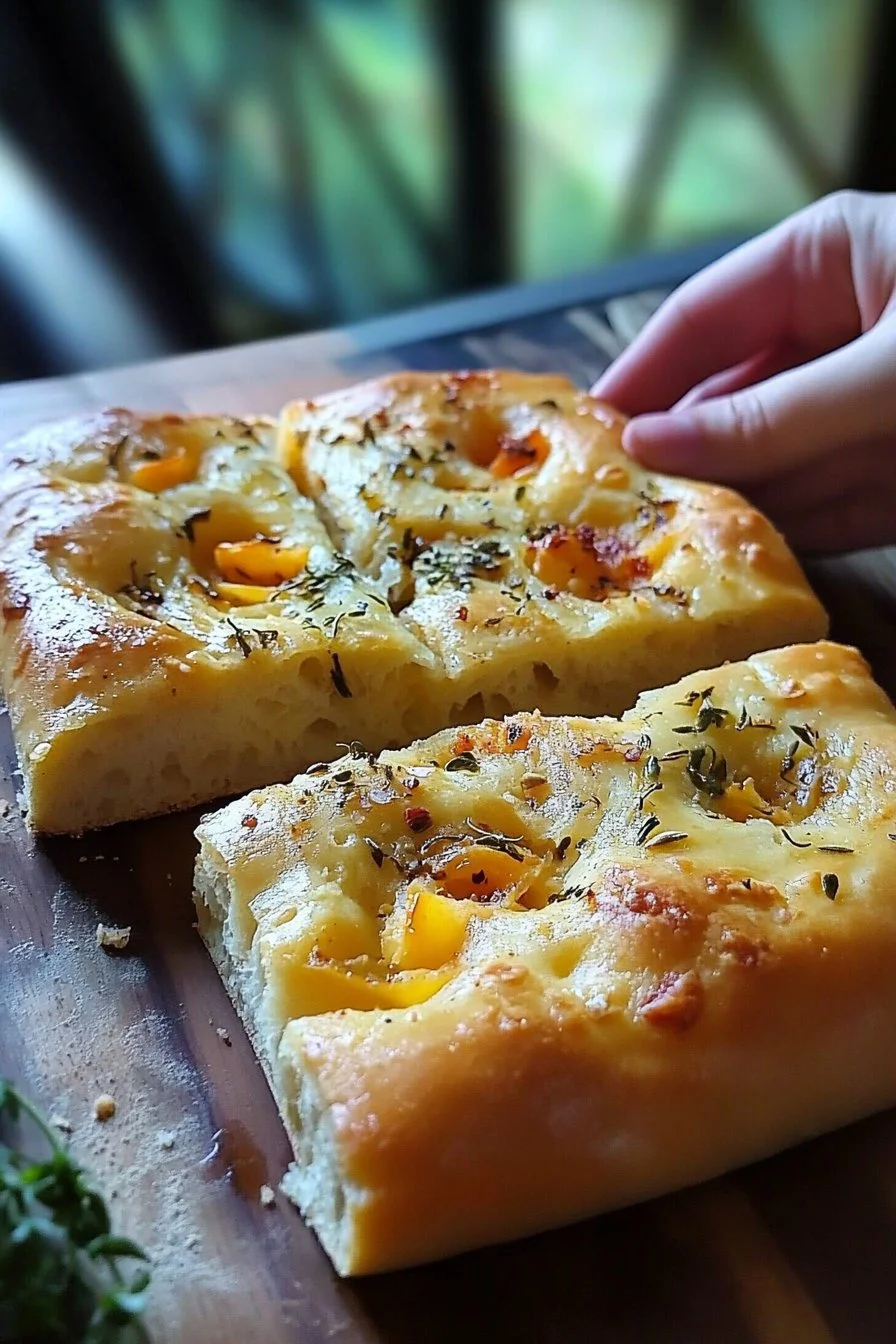
Once your focaccia cools, it’s time to showcase it! Cut it into squares or triangles. You can serve it warm with a side of olive oil for dipping, making the experience fun and interactive.
For an elegant touch, sprinkle some flaky sea salt or additional herbs on top before serving. This will enhance the aroma and visual appeal, inviting everyone to take a bite.
Pairing and Storage
This focaccia pairs well with a variety of dishes. Serve it alongside soups and salads for a balanced meal. It also complements antipasto platters beautifully.
If you have leftovers—though it’s unlikely!—store them in an airtight container. This will keep it fresh for a few days. Reheat slices in the oven or toaster to restore the crispy exterior, making it taste just like day one.
Conclusion
Overnight focaccia is an art waiting to be mastered. With patience, practice, and a few simple ingredients, you create a meal that can spark joy and nourish your loved ones. Through the process, you not only relish the flavors but also the memories made around the table. This recipe transcends mere ingredients and transforms into a heartfelt gesture that honors tradition and brings people together. Embrace the craft of focaccia, and your kitchen will come alive with warmth, flavor, and cherished moments.
Print
Overnight Focaccia
- Prep Time: 15 minutes
- Cook Time: 30 minutes
- Total Time: 18 hours 45 minutes
- Yield: 12 servings
- Category: Bread
- Method: Baking
- Cuisine: Italian
- Diet: Vegetarian
Description
A delightful overnight focaccia with a soft, pillowy texture and a crispy exterior, infused with garlic, rosemary, and olive oil, perfect for family gatherings.
Ingredients
- 480 grams King Arthur All-Purpose Flour
- 390 grams warm water
- 14 grams honey
- 14 grams kosher salt
- 2 grams active dry yeast
- 40 grams extra virgin olive oil
- 1 to 2 sprigs of rosemary, chopped
- 2 cloves garlic, finely minced
- 1 tsp oregano
- Kosher salt, to taste
- Pinch of red pepper flakes
- Parmigiano-Reggiano, freshly grated
Instructions
- Combine honey and yeast in warm water and mix well. Let it sit for 5 minutes.
- In another bowl, whisk together flour and salt.
- Gradually pour the water mixture and olive oil into the flour. Stir until combined, forming a wet blob of dough.
- Cover the bowl with plastic wrap and a kitchen towel. Allow it to rest for five minutes.
- After resting, wet your hand and stretch and fold the dough 4-5 times, rotating the bowl after each fold. Cover and rest for another 15 minutes.
- Repeat the stretch and fold process. After this round, flip the dough so the smooth side is up. Drizzle olive oil on top, making sure to coat the dough. Cover and refrigerate for 12-18 hours.
- The next day, pour some olive oil into the bottom of a 9×13 pan. Remove the dough from the fridge; it should have risen and formed air bubbles. Pour the dough into the pan, ensuring the smooth side is on top. Cover and let it sit in a warm spot for 2-4 hours, until the dough fills 85-90% of the pan.
- Prepare the brine by dissolving salt in warm water. Uncover the dough, dimple it using your fingertips, and pour the brine over it.
- Cover again and let proof for 45 minutes. Preheat the oven to 500°F during this time.
- While the dough proofs, mix together the topping ingredients (chopped rosemary, minced garlic, oregano, olive oil, red pepper flakes, and cheese) and set them aside.
- Once the final proofing is complete, uncover the dough, pour the topping over it, and drizzle with more olive oil. Optionally, add more Parmigiano-Reggiano.
- Lower the oven temperature to 425°F and bake the focaccia for around 30 minutes or until golden brown. Ensure the internal temperature reaches at least 200°F.
- For the last 15 minutes, move the focaccia to the bottom rack for extra crispness.
- Remove from the oven, let it rest in the tray for 7 minutes, and transfer to a wire rack to cool completely.
Notes
For best results, use a kitchen scale for measuring ingredients and don’t skip drizzling olive oil in the baking pan to prevent sticking.