
📑 Table of Contents ▶
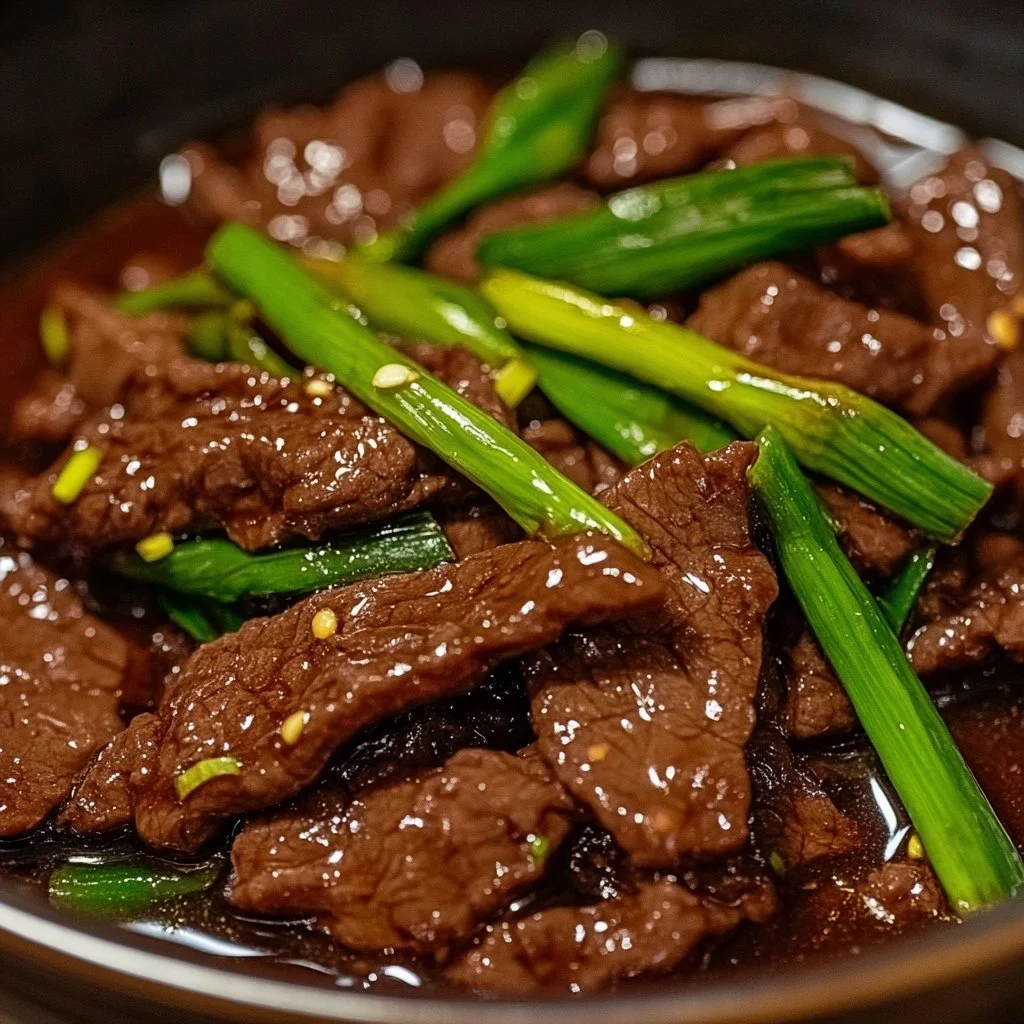
Mongolian Beef
A steaming plate of Mongolian beef evokes memories of family gatherings and bustling dinner tables. The moment the scent of sizzling meat and aromatic sauces filled the kitchen, everyone knew dinner would be special. The silky, sweet, and savory sauce transforms simple beef into a dish bursting with flavor, creating anticipation that draws everyone in.
Mongolian beef offers versatility and comfort. It provides an easy escape into deliciousness, making it a go-to option for weeknight dinners or cozy weekends. The rich combination of soy sauce, brown sugar, garlic, and ginger brings harmony to the dish, creating layers of taste that leave a lasting impression. Those unforgettable flavors allow anyone to enjoy a taste of something extraordinary, all from their own kitchen.
Cooking Mongolian beef isn’t just about the eat; it’s about the experience. Each step in the preparation awakens the senses, turning cooking into a joyful ritual. Embracing the art of creating this dish feeds not only the stomach but also the spirit. With simple ingredients, anyone can bring this beloved meal to life and delight their family, reminding us all why we gather around the table to share in good food.
Mongolian Beef Basics
Fundamentals
Mongolian beef is a dish that thrives on the simplicity of its ingredients while delivering robust flavor. Using just a few key components, including beef sirloin, soy sauce, and a hint of ginger, home chefs impart a taste reminiscent of favorite Asian-inspired restaurants. The focus lies in the quality of the beef and the balance of flavors in the sauce.
The beef sirloin serves as the backbone of this meal. Sliced thinly, it quickly absorbs the marinade, becoming tender and delightful during the cooking process. Pairing it with a touch of vegetable oil ensures a beautiful sear, enhancing the taste and texture of the dish.
Preparation/setup
Preparing Mongolian beef starts with the marinade. Mixing soy sauce, brown sugar, minced garlic, ginger, and cornstarch creates a rich sauce that will enhance the beef’s natural flavors. This marinade not only delivers sweetness and depth but also helps achieve that glossy finish that tantalizes the eye.
By allowing the beef to marinate for even a short time, home cooks help unlock the flavors better. The marinated beef can deliver a richer taste when it hits the skillet. Ensuring everything is ready before cooking, such as slicing green onions, makes the process smooth and enjoyable.
Ingredients
The ingredients for this Mongolian beef recipe are straightforward and easily accessible:
- 1 lb beef sirloin, sliced into thin strips
- 1/4 cup soy sauce
- 1/4 cup brown sugar
- 2 cloves garlic, minced
- 1 tablespoon ginger, minced
- 1 tablespoon cornstarch
- 2 tablespoons vegetable oil
- 2 green onions, sliced
- Salt and pepper to taste
Having these components prepped and ready simplifies the final cooking step, allowing the chef to focus on achieving the perfect texture.
Directions
Cooking Mongolian beef is an experience that transforms these simple ingredients into a vibrant dish:
- In a bowl, combine soy sauce, brown sugar, garlic, ginger, and cornstarch. Mix well.
- Heat vegetable oil in a large skillet or wok over medium-high heat.
- Add the beef strips and cook until browned.
- Pour the sauce over the beef and stir until the sauce thickens and coats the beef evenly.
- Add sliced green onions and mix.
- Serve hot over rice or noodles.
Enhancing Mongolian Beef
Technique
Cooking Mongolian beef effectively requires attention to detail. A preheated skillet or wok is crucial for achieving that savory, caramelized flavor on the beef. It creates that sought-after crispy exterior while keeping the inside tender.
The timing also plays a vital role. Searing the beef quickly ensures it remains juicy rather than becoming overcooked. Once the sauce hits the skillet, its thick consistency clings perfectly to the beef, creating that satisfying experience in each bite.
Tips/tricks
For even more flavor, consider these tips. Slicing the beef against the grain creates a more tender bite. Investing in a sharp knife makes this process easier and faster.
Experimenting with the spice level can also elevate the dish. Adding a sprinkle of crushed red pepper flakes enhances the complexity without overpowering the sweetness of the brown sugar. Adjusting this can transform the dish into something memorable, leaving a mark on the palate.
Mastering the Art of Mongolian Beef
Perfecting results
Achieving the perfect Mongolian beef takes a bit of practice, but it falls under the “easy” category for home cooks. The key lies in mastering the sauce-to-beef ratio. Too much sauce may overwhelm the beef, while too little might leave it dry. Finding that sweet spot creates a dish that’s visually appealing and delicious.
To gauge doneness, watch for the color of the beef. Once it turns from pink to rich brown, it reaches the ideal state. The final addition of green onions adds a fresh burst that rounds out the flavors.
Troubleshooting/variations
Occasionally, things might not go as planned in the kitchen. A common issue involves sauce consistency; if it doesn’t thicken as desired, a touch more cornstarch can help. Mixing it in with a small amount of water before adding ensures it blends smoothly into the dish.
In terms of variations, feel free to swap proteins. Chicken or even tofu can serve as excellent alternatives, providing a fresh spin on this classic dish. Each adjustment opens the door to new culinary experiences while maintaining the essence of Mongolian beef.
Serving Mongolian Beef
Serving/presentation
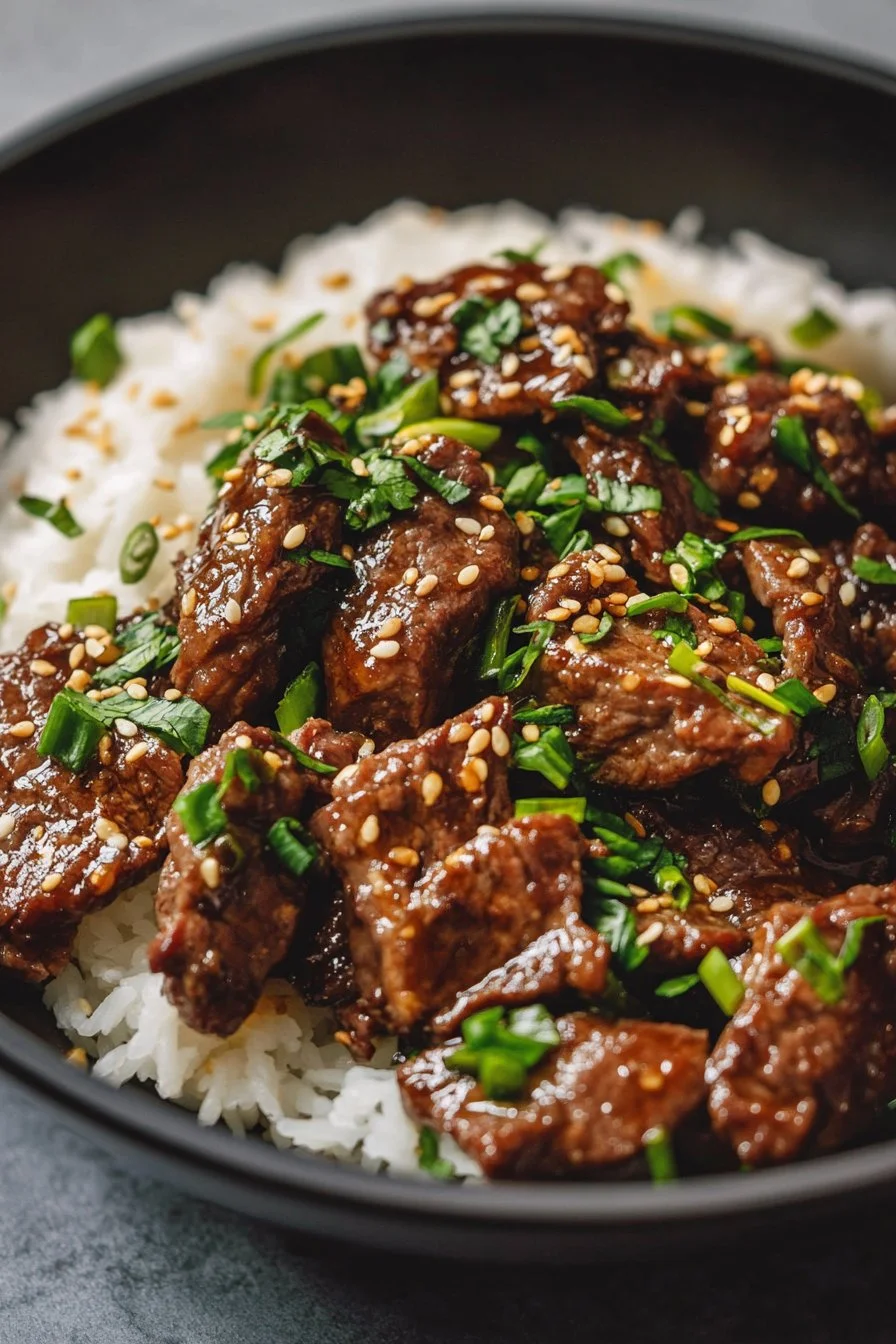
When presenting Mongolian beef, think about colors and textures. A bright bed of fluffy white rice or a mound of noodles complements the dish beautifully. Sprinkling extra green onions on top presents a pop of color and freshness, making the meal visually appealing.
Adding a few sesame seeds can also provide a delightful crunch. Arrange everything neatly on the plate to show off the shiny beef, sauce, and garnishes, elevating the final presentation.
Pairings/storage
Mongolian beef pairs wonderfully with various side dishes. Steamed vegetables or a crisp salad bring balance and freshness to the meal.
For storage, ensure leftovers cool completely before placing them in an airtight container. Refrigerated, they last for up to three days, making them ideal for easy lunch options throughout the week. Reheating gently on the stove allows the flavors to revive, ensuring another enjoyable meal awaits.
This dish encapsulates the essence of flavor, simplicity, and joy that comes from sharing food. From its humble ingredients to satisfying outcomes, Mongolian beef holds a special place on any dinner table.