
📑 Table of Contents ▶
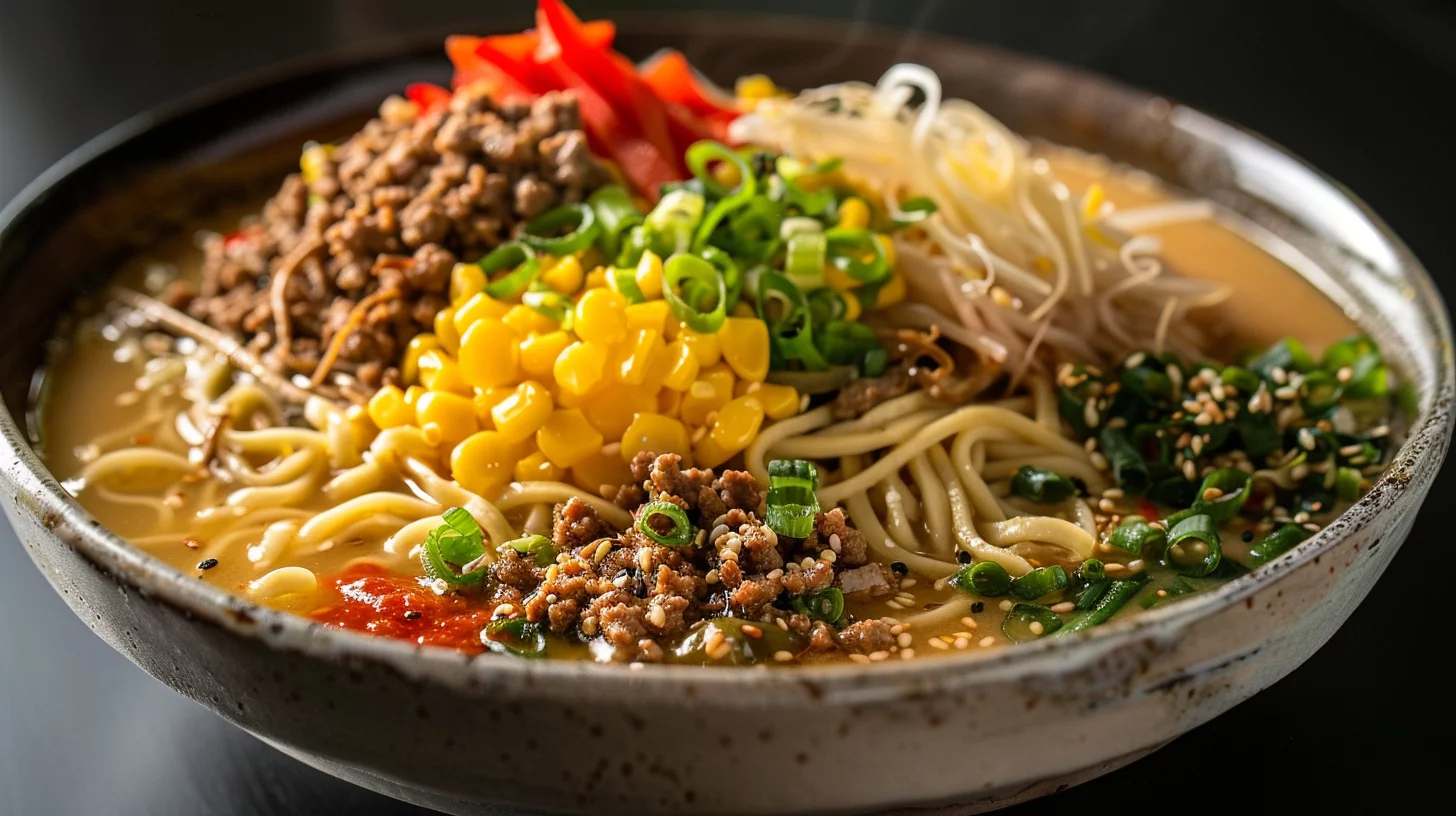
In a world where the hustle and bustle often take center stage, there’s something profoundly comforting about making a bowl of Miso Ramen. My journey with this dish began in my grandmother’s kitchen, where the aroma of simmering broths would fill the air, wrapping us in a cocoon of warmth and love. Miso Ramen became more than just a meal; it was a vessel of memories and a reminder of the love that simmered alongside the broth.
Growing up, I watched my grandmother transform simple ingredients into bowls brimming with flavor. She taught me that the heart of Miso Ramen lies in its rich, savory broth—a harmonious blend that comes alive with the right balance of ingredients. Each spoonful was a testament to her culinary wisdom and creativity.
As I stood by her side, absorbing her techniques, I realized that Miso Ramen was not just about the ingredients but also about the stories they told. The spices, the subtle heat of ginger, the robust flavor of miso—each element had its role in the symphony of flavors. It was in those moments that I understood the true essence of Miso Ramen and how it could bring people together.
Today, I am excited to share this beloved recipe with you. It’s a dish that invites you to slow down, savor the process, and revel in the joy of creating something meaningful. Whether you are a seasoned chef or a novice in the kitchen, this Miso Ramen recipe welcomes you to explore the depths of flavor and make it your own.
Print
Miso Ramen
- Prep Time: 30 minutes
- Cook Time: 1 hour
- Total Time: 1 hour 30 minutes
- Yield: 2 servings
- Category: Main Course
- Method: Boiling
- Cuisine: Japanese
Description
Discover how to make delicious homemade Miso Ramen with our step-by-step recipe guide. Learn the secrets to crafting this authentic Japanese noodle dish now!
Ingredients
- 2 cloves garlic (10 g)
- 1/2 tsp ginger (grated) (2.5 ml)
- 1 shallot
- 1 tbsp (15 ml) toasted white sesame seeds
- 1 tbsp (15 ml) toasted sesame oil
- 1/4 lb ground beef (use meat alternatives or chopped mushrooms for vegan/vegetarian) (115 g)
- 1 tsp doubanjiang (spicy chili bean paste) (use the non-spicy or spicy type or gluten-free doubanjiang) (5 ml)
- 3 tbsp miso (most types will work except Saikyo and Hatcho; each type will create a slightly different broth flavor) (45 g)
- 1 tbsp (15 ml) sugar
- 1 tbsp (15 ml) sake
- 4 cups vegetable stock (960 ml)
- 1 tsp Diamond Crystal kosher salt (to taste) (5 ml)
- 1/4 tsp (1 ml) white pepper powder
- 2 servings fresh ramen noodles (10–12 oz (283–340 g) fresh noodles or 6.3 oz (180 g) dry ramen noodles; for gluten-free, use GF ramen noodles)
- Homemade Chashu (Japanese Braised Beef) (make my Chashu at least a day in advance or buy it premade at a Japanese market; skip for vegan/vegetarian)
- Spicy Bean Sprout Salad (or blanched bean sprouts)
- Ramen Egg (Ajitsuke Tamago) (make my Ramen Eggs at least a day in advance; skip for vegan; slice in half lengthwise to serve)
- Frozen or canned corn (drained)
- Nori (dried laver seaweed) (cut a sheet into quarters)
- Green onion/scallion (chopped)
- Shiraga Negi (julienned long green onions)
- La-yu (Japanese chili oil) (make my Homemade La-yu)
- Pickled red ginger (beni shoga or kizami beni shoga)
- White pepper powder
Instructions
- Prepare the ramen garnishes in advance, including the Chashu and Ramen Egg, so they are ready when serving your hot ramen bowl.
- Top the ramen with Chashu, Ramen Egg, bean sprouts (either blanched or in salad form), corn, julienned long green onions, chopped scallions, and a quarter piece of nori. Refer to the provided recipes for details. Optional table condiments include Japanese chili oil, pickled red ginger, and white pepper powder.
- Assemble all the necessary components.
- Crush or finely chop the garlic cloves and place them on a small dish. Grate the ginger and add it to the same dish.
- Finely chop the shallot and place it with the garlic and ginger. Set them aside.
- Crush the toasted white sesame seeds, leaving some whole for texture. Reserve them.
- Warm a medium-sized pot on medium-low heat. Once heated, pour in the toasted sesame oil, followed by the garlic, ginger, and shallot.
- Sauté the mixture with a wooden spatula until aromatic.
- Introduce the ground beef and raise the heat to medium. Cook until the beef loses its pink color.
- Incorporate the spicy chili bean paste and miso, mixing quickly with the beef to avoid burning.
- Stir in the crushed sesame seeds and sugar, blending thoroughly.
- Add the sake and vegetable stock, then bring the mix to a gentle simmer.
- Sample the broth and adjust with kosher salt if needed, and sprinkle white pepper powder. Remember, stock can vary in saltiness, so adjust accordingly.
- Once the broth is complete, keep it simmering with a lid while you prepare the noodles.
- Boil a large pot of water without salt (as ramen noodles contain salt). Once boiling, pour some of the hot water into the ramen bowls to warm them. Meanwhile, loosen the fresh ramen noodles by hand.
- Cook the noodles following the package directions, aiming for a slightly firm texture by reducing the time by roughly 15 seconds. Before the noodles finish, pour out the hot water from the bowls.
- Once cooked, lift the noodles with a sieve, shake off any excess water, and ensure they are well-drained to prevent diluting the soup. Place the noodles in the warmed bowls.
- Pour the hot ramen broth into each bowl.
- Arrange your chosen toppings over the noodles and serve at once. Add any optional condiments and enjoy.
- The broth can be stored in the fridge for up to three days. Prepare the noodles just before serving.
Notes
- For a vegetarian/vegan option, use meat alternatives or chopped mushrooms for a flavorful twist.
- Experiment with different types of miso for varied broth flavors, excluding Saikyo and Hatcho.
- Warm ramen bowls with hot water before serving to keep noodles warm; adjust broth seasoning with kosher salt to taste.
Crafting the Perfect Miso Ramen
Fundamentals
At the heart of a great Miso Ramen is its broth. This rich and aromatic liquid forms the foundation, setting the stage for a symphony of flavors. We start with a base of vegetable stock, which provides a neutral yet flavorful canvas. The umami-rich miso paste, combined with the spicy kick of doubanjiang, elevates the broth to new heights. Garlic, ginger, and shallots introduce a fragrant warmth, ensuring each sip is as comforting as it is flavorful.
The choice of miso can influence the final taste. Commonly used varieties include white, yellow, or red miso, each offering a unique flavor profile. Red miso provides a more intense flavor, while white miso lends a sweeter, milder taste. For a balanced broth, yellow miso offers a middle ground. Remember, the type of miso you choose will subtly alter the character of your broth.
Preparation/Setup
Before diving into the cooking process, it’s crucial to have all your components ready. Begin by preparing the ramen garnishes. This includes making Chashu and Ramen Egg at least a day in advance for maximum flavor infusion. If you’re opting for a vegetarian version, consider using meat alternatives or mushrooms for the umami depth.
Next, set up your workstation. Crush or finely chop the garlic, grate the ginger, and finely chop the shallot. Having these aromatics ready ensures a smooth cooking process. Prepare to toast your sesame seeds, crushing some for texture while leaving others whole. This step adds a nutty depth to your Miso Ramen.
Mastering the Miso Ramen Technique
Technique
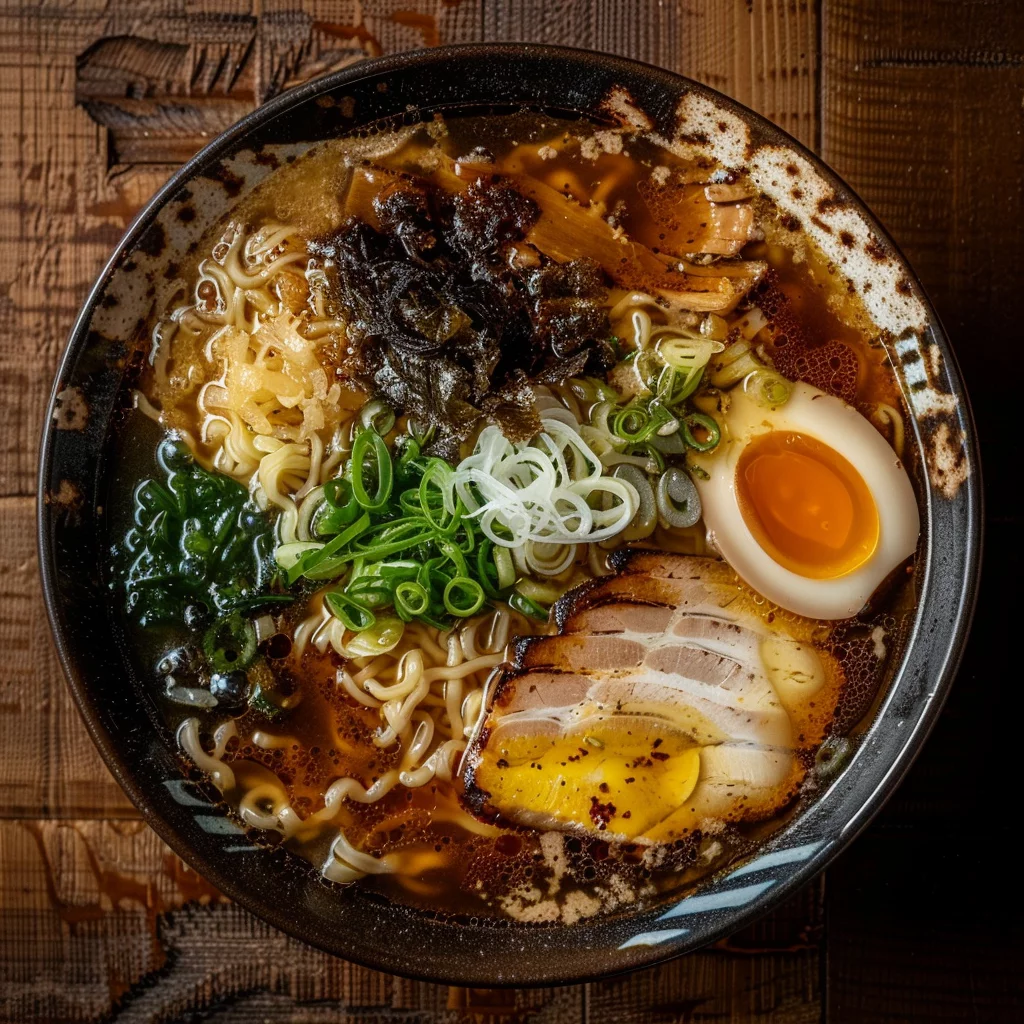
Begin by warming a medium-sized pot over medium-low heat, adding toasted sesame oil. This oil serves as the first layer of flavor, infusing the pot with a subtle, nutty aroma. Once the oil is heated, introduce the garlic, ginger, and shallot. Sauté these aromatics until they release their fragrant oils, creating an aromatic base for the broth.
Miso Ramen
As the aromatics sauté, raise the heat to medium and add the ground beef or its alternative. Cook until the beef loses its pink hue, ensuring it’s evenly browned. Quickly incorporate the spicy chili bean paste and miso, stirring briskly to prevent burning. This swift action melds the ingredients, allowing their flavors to integrate seamlessly.
Tips/Tricks
A key to achieving a robust Miso Ramen is the balance of flavors. As you prepare the broth, taste and adjust the seasoning. The vegetable stock’s saltiness can vary, so add kosher salt gradually, enhancing the broth’s depth without overpowering it. White pepper powder adds a gentle spice, harmonizing the flavors.
For a vegetarian twist, use mushrooms instead of ground beef. Their umami-rich profile complements the miso and chili paste, creating a satisfying depth of flavor. Additionally, if you prefer a milder broth, opt for non-spicy doubanjiang, allowing the miso’s richness to shine without the added heat.
Perfecting Your Miso Ramen
Perfecting Results
The final step in perfecting Miso Ramen is preparing the noodles. Boil a large pot of water, omitting salt, as ramen noodles come pre-salted. Loosen the noodles by hand before cooking, ensuring they separate easily in the boiling water. Aim for an “al dente” texture by reducing the cooking time slightly, about 15 seconds less than the package instructions suggest.
Drain the noodles thoroughly to prevent them from diluting the broth. This step is crucial for maintaining the integrity of your Miso Ramen’s flavor. Once the noodles are ready, place them in warmed bowls and pour the hot, savory broth over them, creating a flavorful base for your toppings.
Troubleshooting/Variations
If your broth lacks depth, consider adding a touch more miso or spicy chili bean paste. These ingredients are key to enhancing the umami profile. For those preferring a spicier kick, a dash of Japanese chili oil can amplify the heat.
For a vegan version, replace the beef with finely chopped mushrooms and skip the egg. Incorporate blanched bean sprouts for added crunch. These adjustments maintain the dish’s essence while catering to dietary preferences.
Serving and Storing Miso Ramen
Serving/Presentation
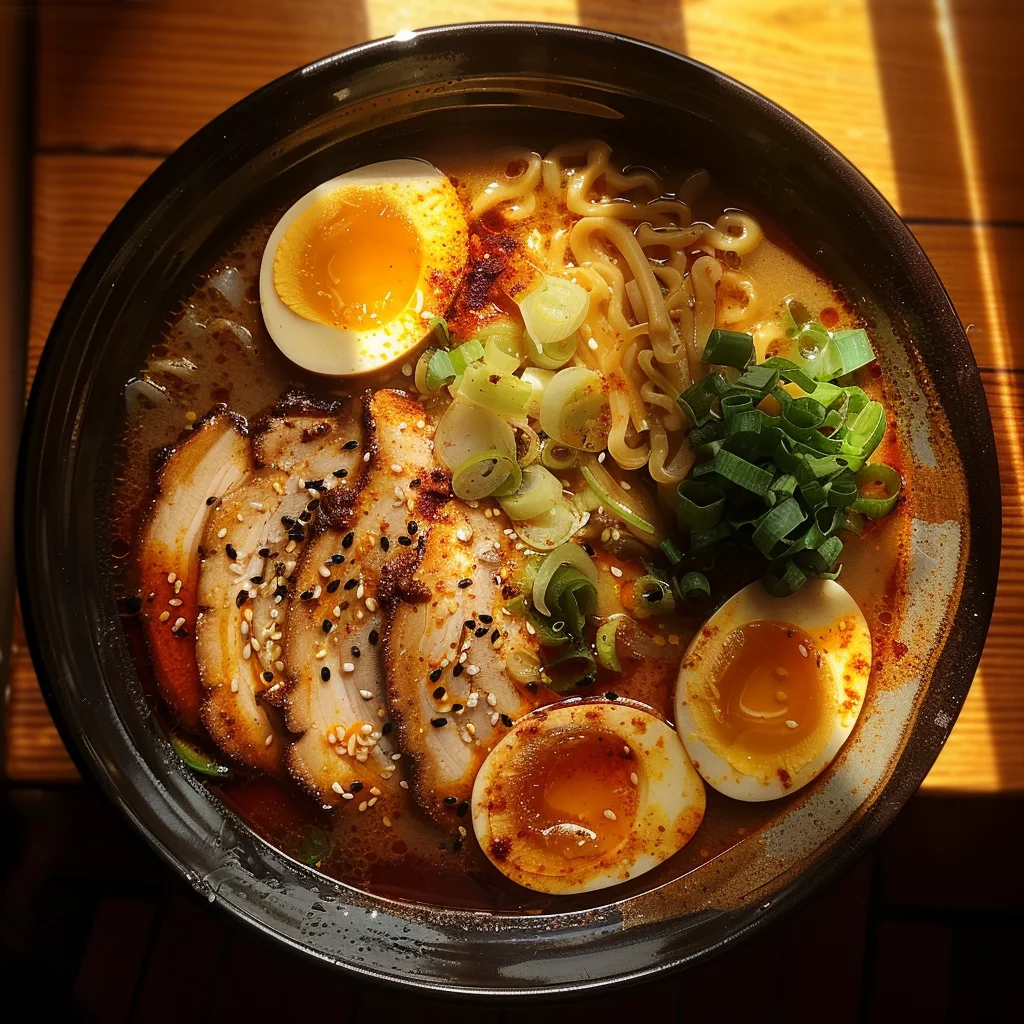
Presentation is key to an inviting Miso Ramen. Arrange your toppings with care over the noodles. Begin with slices of Chashu, followed by a halved Ramen Egg, bean sprouts, drained corn, and a sprinkle of chopped scallions. Lay a quarter piece of nori on the side, and garnish with pickled red ginger for a pop of color.
For a visual and flavorful flourish, add a pinch of shiraga negi and a drizzle of la-yu. These additions not only enhance the aesthetics but also deepen the flavor profile. Serve your Miso Ramen immediately, allowing your guests to enjoy the dish at its peak warmth.
Miso Ramen
Pairings/Storage
While Miso Ramen stands beautifully on its own, consider pairing it with a simple cucumber salad or edamame for a balanced meal. These sides complement the rich broth without overpowering the dish. If you have leftover broth, store it in the fridge for up to three days, reheating gently before serving. Always prepare the noodles fresh to preserve their texture.
For more inspiration on creative ramen dishes, explore Sous Vide Jamison Farm Lamb Shank for a unique take on traditional flavors.
Conclusion
Miso Ramen is a dish that marries flavor, tradition, and comfort in a single bowl. Its rich broth, aromatic spices, and customizable toppings make it a versatile favorite. This recipe invites you to explore its depths, adjust it to your taste, and relish the joy of creating something truly heartwarming.
Whether you’re cooking for family or indulging in a solo culinary adventure, Miso Ramen offers a delightful experience. Its ability to transform simple ingredients into a flavorful masterpiece highlights its enduring appeal. Embrace the journey of making Miso Ramen and let it become a cherished addition to your culinary repertoire.