
📑 Table of Contents ▶
Lazy Girl Hibachi Bowls—Perfect for Meal Prep!
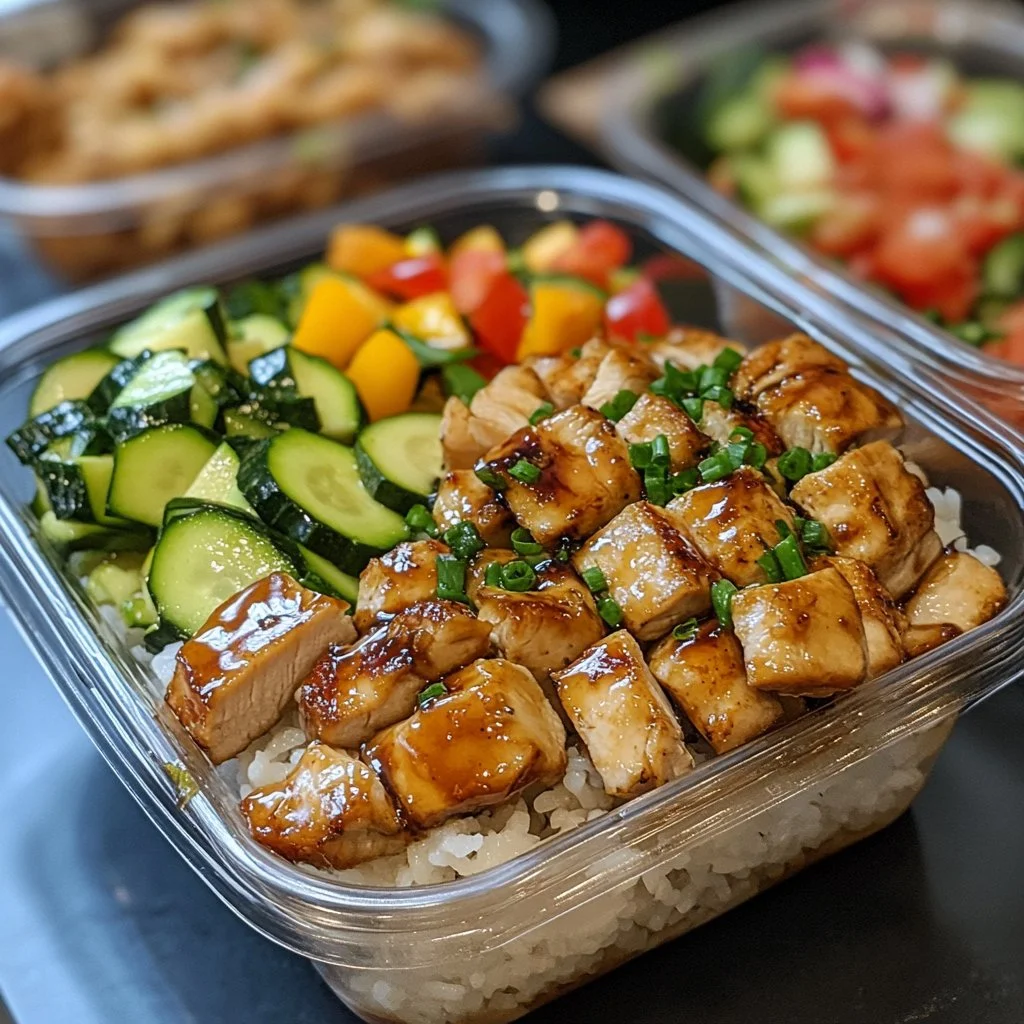
Creating a delicious meal that feels special often seems daunting, but it doesn’t have to be. Lazy girl hibachi bowls exemplify how simple ingredients can come together to create a feast. Imagine standing in your kitchen, the aroma of grilled vegetables and savory proteins filling the air, while colorful bowls await assembly.
As a busy person, I appreciate meal prep that allows for flexibility throughout the week. Lazy girl hibachi bowls offer just that. With the right ingredients steamed or grilled to perfection, you can mix and match your components. This adaptability makes the dish not just tasty but also appealing to various palates.
Whether it’s about making a quick weeknight dinner or preparing a healthy lunch to take to work, these hibachi bowls bring joy and satisfaction to the table. Let’s dive into the essentials of crafting these delightful bowls that make mealtime a breeze.
Perfect for Lazy Nights
Fundamentals
Lazy girl hibachi bowls require only a few staple ingredients. Grains like rice or quinoa serve as the base, and they fill you up while providing essential nutrients. Fresh vegetables add color and crunch, while proteins like chicken, shrimp, or tofu offer heartiness.
Learning to assemble these bowls empowers you to create delicious meals without the stress. The balance of ingredients creates a hearty dish that’s both nutritious and satisfying. Remember, using fresh produce and quality protein enhances flavors significantly.
Preparation/Setup
Preparation is the key to effortless cooking. Start by cooking your grains according to the package instructions. In the meantime, chop your vegetables into bite-sized pieces. Think bell peppers, zucchini, and snap peas for vibrant colors and textures.
Opt for bite-sized pieces for even cooking. If you prefer sautéed vegetables, heat a non-stick skillet over medium heat. Otherwise, you can use a grill pan for that authentic hibachi flavor. The smoky aroma brings the experience home, ensuring every bite feels like a treat.
Ingredients
- 1 cup of cooked rice or quinoa
- 1 cup of assorted chopped vegetables (bell peppers, zucchini, snap peas)
- 1 pound of chicken breast, shrimp, or tofu, cubed
- 2 tablespoons soy sauce
- 1 tablespoon sesame oil
- 1 tablespoon olive oil
- Salt and pepper to taste
- Green onions for garnish (optional)
- Sesame seeds for garnish (optional)
Directions
- Heat olive oil in a skillet over medium-high heat.
- Add the cubed protein, seasoning with salt and pepper as it cooks through.
- Once cooked, remove the protein and set it aside.
- In the same skillet, add sesame oil and chopped vegetables.
- Sauté vegetables until tender and vibrant, about 5-7 minutes.
- Combine the protein back into the skillet and drizzle soy sauce over the mixture.
- Stir everything together until well-coated and heated through.
- Serve the mixture over a bed of cooked rice or quinoa.
- Garnish with green onions and sesame seeds, if desired.
Taking It to the Next Level
Technique
Working on your hibachi technique enhances the final product. Searing the chicken or shrimp develops a lovely crust, sealing in moisture and infusing robust flavors. Use high heat to achieve this while keeping an eye on the cooking time. Aim for crispy edges while ensuring the inside remains juicy.
For vegetables, make sure not to overcrowd the pan. Cooking in batches allows for even charring and prevents steaming. A good sear brings out the natural sweetness of the veggies. Releasing moisture from vegetables makes them flavorful and complements the protein nicely.
Tips/Tricks
Meal prep is all about efficiency. Cook larger batches of rice or quinoa on the weekends, storing them in the refrigerator or freezer for quick assembly during the weekday rush. Marinate your protein ahead of time. A quick soak in savory spices or sauces not only boosts flavors but also tenderizes the meat.
Have fun with your vegetables! Mix seasonal produce or whatever you have on hand. Zucchini, carrots, and broccoli work beautifully. Be bold and throw in a few mushrooms or sweet corn for added sweetness and texture.
Achieving Hibachi Perfection
Perfecting Results
Cooking hibachi bowls can feel like an art form. To ensure you serve the best version, focus on balance. The combination of grains, protein, and vegetables should harmonize in flavor and texture. If you find yourself craving more umami, add extra soy sauce or a splash of teriyaki sauce.
Experimenting with cooking times makes a huge difference. Avoid overcooked veggies for the best crunch. Remember, crisp vegetables alongside tender protein is key to achieving hibachi-style bowls that impress every time.
Troubleshooting/Variations
Navigating potential pitfalls ensures a stress-free cooking experience. If your protein seems dry, adjust the cooking time or add a splash of sauce towards the end. If your grains feel bland, incorporating broth instead of water while cooking adds flavor.
Feel free to switch things up. Try adding cashews or peanuts to introduce crunch. Feeling adventurous? Incorporate different sauces like hoisin or a spicy mayo for novelty.
Serving and Storing Your Creations
Serving/Presentation
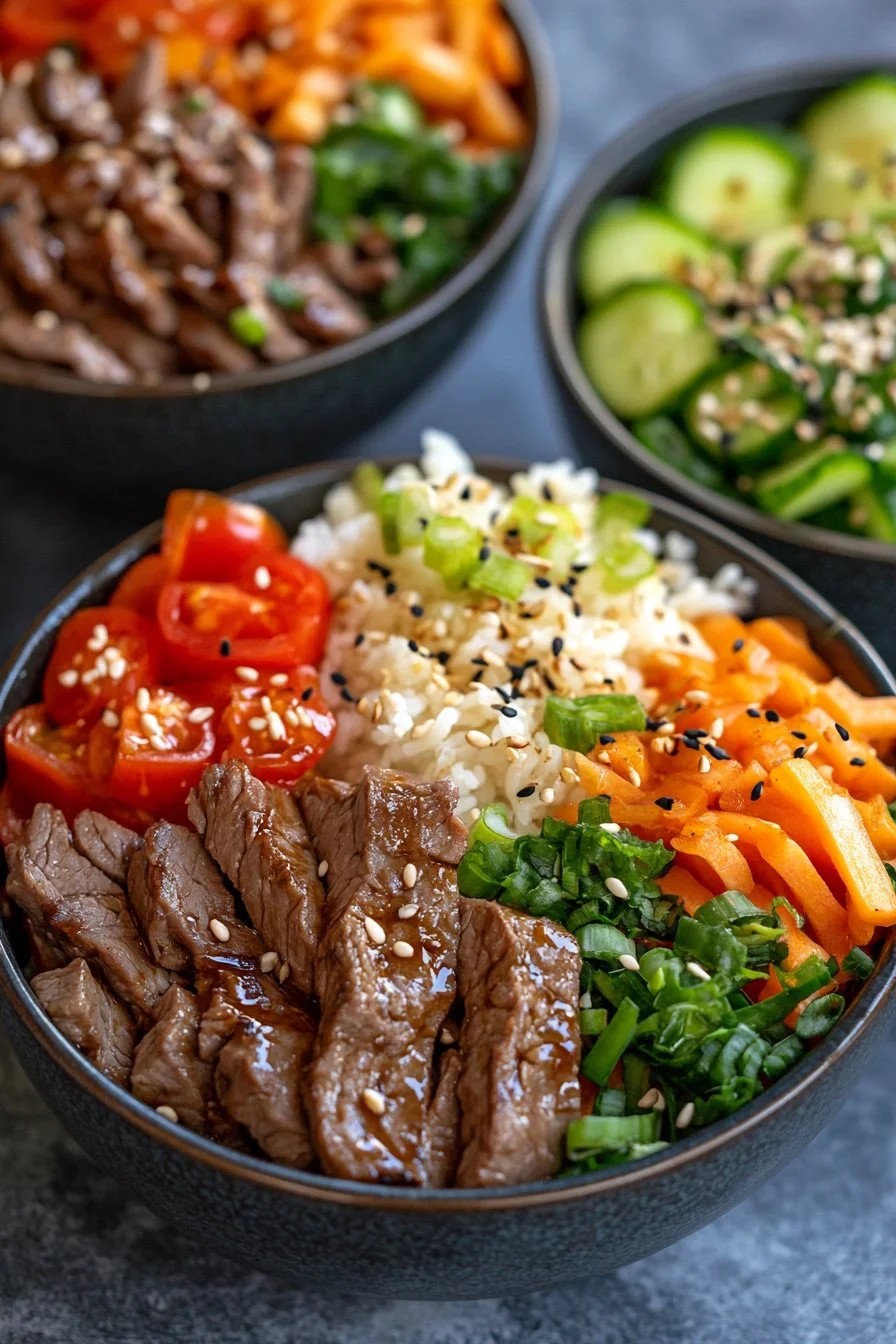
Presentation transforms an everyday meal into a delightful feast. Layer your rice or grains first, followed by your vibrant vegetable and protein mixture. Colorful garnishes like chopped green onions or sesame seeds elevate the dish visually.
Consider serving these bowls in vibrant dishes or on wooden boards for a rustic feel. The visual appeal enhances the experience at dinnertime. It feels like a meal from a hibachi grill, all at home.
Pairings/Storage
While hibachi bowls stand strong on their own, serving a light salad or miso soup can round out the meal nicely. For storage, place leftovers in airtight containers and refrigerate for up to three days. These bowls reheat beautifully, making them convenient for lunches or quick dinners.
Those well-prepped portions can be mixed with fresh greens or new vegetables for variety throughout the week. Enjoy the flavors of hibachi at your leisure, reminding you of those cherished moments spent diving into fantastic meals.
Creating lazy girl hibachi bowls combines ease with creativity. Each ingredient works together, bringing joy to the table and making every bite memorable. Whether serving it to family or enjoying a quiet meal solo, you’ll savor each moment spent discovering flavors that never disappoint.
Print
Lazy Girl Hibachi Bowls
- Prep Time: 10 minutes
- Cook Time: 20 minutes
- Total Time: 30 minutes
- Yield: 4 servings
- Category: Main Course
- Method: Sautéing
- Cuisine: Japanese
- Diet: Pescatarian
Description
Delicious and adaptable hibachi bowls perfect for meal prep, featuring grilled proteins and fresh vegetables over a base of rice or quinoa.
Ingredients
- 1 cup of cooked rice or quinoa
- 1 cup of assorted chopped vegetables (bell peppers, zucchini, snap peas)
- 1 pound of chicken breast, shrimp, or tofu, cubed
- 2 tablespoons soy sauce
- 1 tablespoon sesame oil
- 1 tablespoon olive oil
- Salt and pepper to taste
- Green onions for garnish (optional)
- Sesame seeds for garnish (optional)
Instructions
- Heat olive oil in a skillet over medium-high heat.
- Add the cubed protein, seasoning with salt and pepper as it cooks through.
- Once cooked, remove the protein and set it aside.
- In the same skillet, add sesame oil and chopped vegetables.
- Sauté vegetables until tender and vibrant, about 5-7 minutes.
- Combine the protein back into the skillet and drizzle soy sauce over the mixture.
- Stir everything together until well-coated and heated through.
- Serve the mixture over a bed of cooked rice or quinoa.
- Garnish with green onions and sesame seeds, if desired.
Notes
Feel free to mix and match your vegetables and proteins for variety. Cook larger batches of rice or quinoa for quick meal prep.