
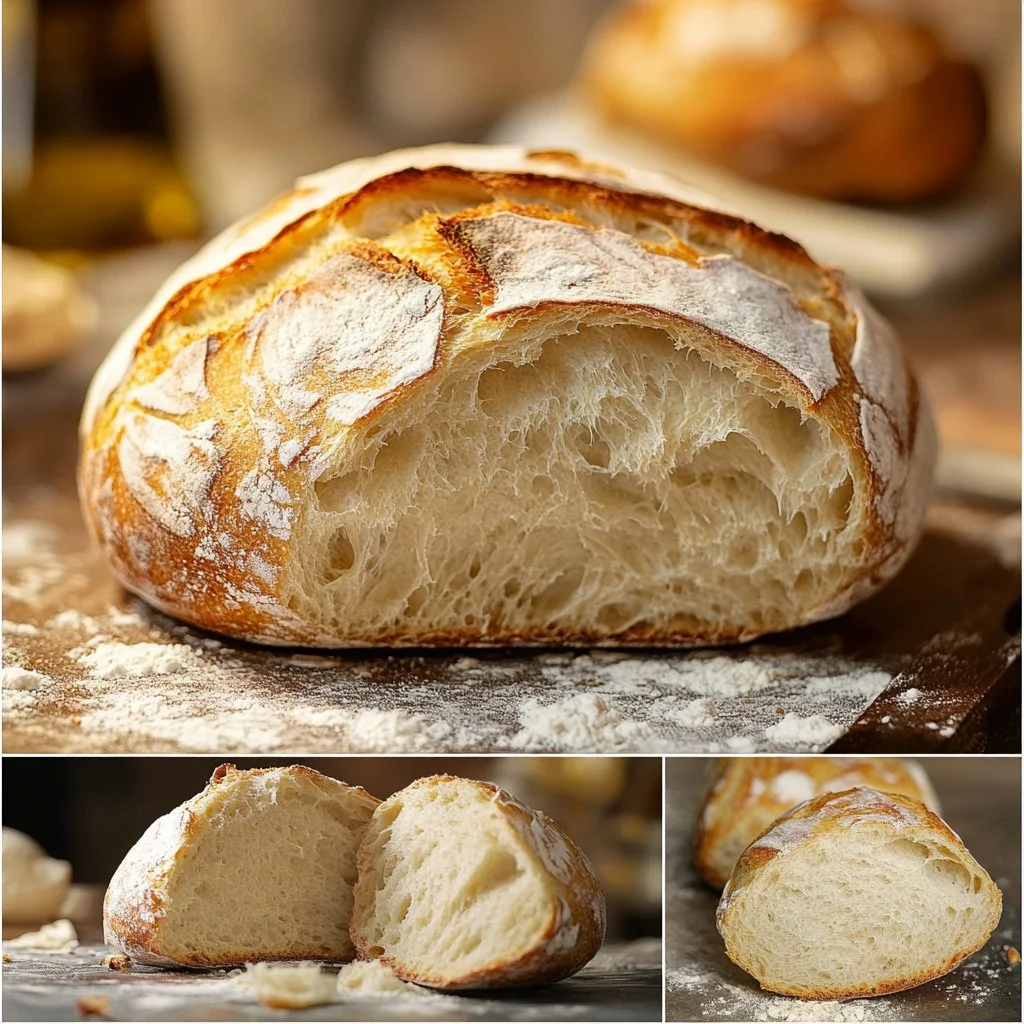
📑 Table of Contents ▶
Homemade Ciabatta Bread
A love for homemade ciabatta bread can often begin with the comforting aroma of fresh bread wafting through your kitchen, evoking memories of family dinners and shared moments. That intoxicating scent fills your home, transforming space into a grove of warmth and familiarity. Creating ciabatta can become a delightful ritual, one that links you to the past while inviting new experiences at the dining table.
Many home cooks, including myself, have enjoyed the rewarding feeling of kneading dough and witnessing it rise. The process of bread-making brings an undeniable satisfaction. The combination of simple ingredients—flour, water, yeast, and salt—traditionally leads to magic. Homemade ciabatta bread is an art that doesn’t require extensive expertise, just a willingness to learn and embrace the joy of the process.
As you set out to make this classic Italian bread, picture yourself setting the stage for gatherings where you can serve this masterpiece. The crust’s golden hue and the soft, airy interior will evoke smiles and invite compliments. Grabbing a slice of freshly baked ciabatta while it’s still warm feels like home, doesn’t it? Let’s dive into the particulars of this fantastic recipe and bask in the delightful taste of your freshly baked ciabatta.
Homemade Ciabatta Bread Fundamentals
Preparation/setup
Creating homemade ciabatta bread starts with some essential preparation. Gathering all the ingredients in one place helps streamline the process. You need 4 cups of all-purpose flour, 1 ½ cups of water, 1 teaspoon of instant yeast, and 2 teaspoons of salt. These basic components combine to create something truly special.
Investing in kitchen tools, such as a large mixing bowl and a baking sheet lined with parchment paper, ensures everything runs smoothly. Having a floured surface ready for shaping the dough will simplify your tasks. Preparation enhances not just efficiency but also enjoyment. Embrace the process and relish each moment as you bring this beautiful bread to life.
Ingredients
The ingredients play a crucial role in achieving the perfect homemade ciabatta. Start with the 4 cups of all-purpose flour. This flour provides the necessary structure and texture. Next, incorporate 1 teaspoon of instant yeast, a magical ingredient that helps the dough rise. The fragrant aroma of fresh baking truly comes alive at this stage.
Add 2 teaspoons of salt for flavor enhancement and to strengthen the gluten structure in the bread. Finally, gradually integrate the 1½ cups of water. Water activates the yeast and hydrates the flour, resulting in a soft, pliable dough. The combination of these ingredients transforms into a vibrant, lively dough full of potential.
Directions
Start by mixing the all-purpose flour, instant yeast, and salt in a large bowl. Make sure to whisk them together well to ensure even distribution of the yeast and salt. Next, gradually add the water to your dry ingredients, stirring until a wet dough forms. Don’t worry about achieving a perfectly smooth texture; ciabatta thrives on rustic charm.
Cover the bowl with plastic wrap and allow your dough to rise at room temperature for 8 to 12 hours. This long fermentation period allows the flavors to develop, contributing to that distinctive ciabatta taste. After the dough has risen, gently pour it onto a floured surface. Take care to maintain the airiness and shape it into a rectangle without deflating it.
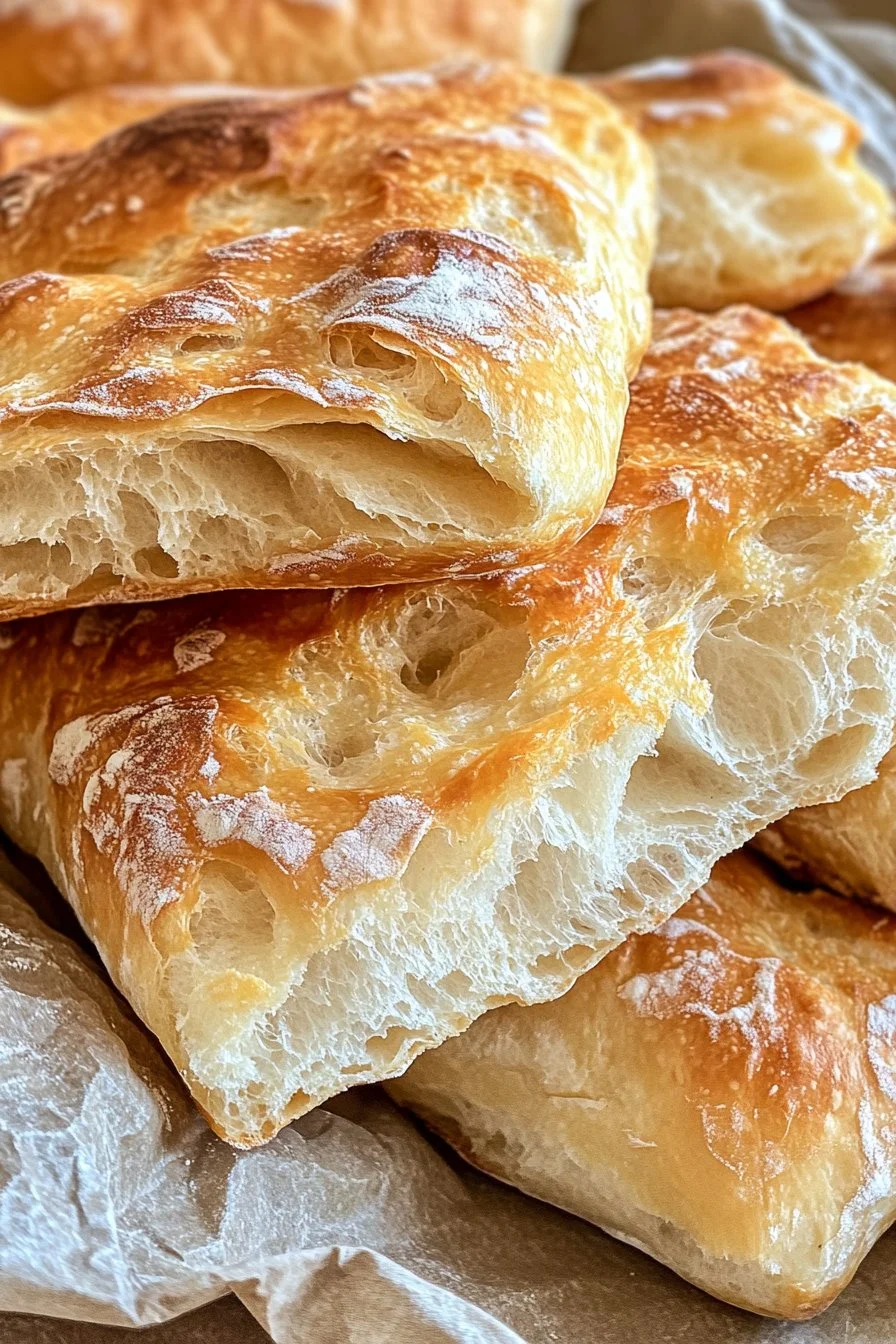
Allow the dough to rest for about 30 minutes while you preheat your oven to 475°F (245°C). Transfer your shaped ciabatta to a baking sheet lined with parchment paper and bake for roughly 25 to 30 minutes. The beautiful golden-brown crust signals it’s nearly time to pull it from the oven. Remember to let it cool before slicing it, as this step allows the crumb to set beautifully.
Mastering Ciabatta Technique
The Technique
Perfecting ciabatta bread comes with practice and attention to detail. One valuable technique to embrace involves gentle handling of the dough. Avoid aggressive kneading; instead, let it rise and develop its structure naturally. Use your hands lightly when transferring the dough to your baking surface to preserve the air bubbles formed during fermentation.
Additionally, adding steam to the oven during the initial stages of baking contributes to that coveted crust. Place a pan of hot water at the bottom of the oven to infuse steam. This creates a humid environment that promotes better oven spring and gives your loaf its characteristic crust.
Tips and Tricks
Several tips can help refine your homemade ciabatta journey. First, monitor the timing of the dough’s rise. If your kitchen is warmer, the dough may rise faster. On the flip side, if it’s cooler, you may need to extend the rising time. Having patience is key to achieving the optimum flavor and texture.
Consider experimenting with variations in flour types to develop unique flavors. You can mix in whole wheat for added nutrition or a bit of semolina for a delightful texture. Always ensure to maintain the appropriate hydration level by adjusting water accordingly as it will affect the final result.
Perfecting Results with Ciabatta
Troubleshooting and Variations
Sometimes, unexpected issues may arise while making ciabatta bread, leading to an unsatisfactory result. If your dough feels too dry, they may lack sufficient hydration. Evaluate the dough’s texture after you’ve mixed in the water and flour; it should feel sticky yet manageable.
Conversely, if you encounter a dough that feels too wet and unmanageable, incorporate just a bit more flour during shaping. However, be cautious not to overdo it, as excessive flour will affect the softness of the crumb. Be observant and trust your instincts as you embrace the enchanting process of crafting bread.
You may want to try creative variations by adding herbs or roasted garlic to the dough for an extra flavor boost. Olive oil can also enhance the flavor profile, adding a touch of richness to your homemade ciabatta. Experimentation will lead to multiple renditions that can impress your loved ones and make each baking session a unique adventure.
Serving and Storing Homemade Ciabatta
Presentation Ideas
When it comes to serving homemade ciabatta, its visual appeal plays a significant role. Present crusty bread on a wooden cutting board or a rustic basket lined with a clean cloth for a homely touch. You can slice the ciabatta into airy wedges, showcasing its open crumb structure. Pair it with your favorite dips or spreads to create an inviting atmosphere for guests.
Consider creating a delightful charcuterie board featuring olives, cheeses, and an assortment of toppings that pair beautifully with your ciabatta. Delight your guests as they tear through the delicious bread, munching it alongside tasty accompaniments that enhance the overall experience.
Storage Tips
Homemade ciabatta deserves a good store. Once cooled, wrap your loaf tightly in a clean kitchen towel or place it in a paper bag. This keeps the crust crispy while maintaining moisture. If you want to store the bread for more extended periods, consider freezing it. Slice it before freezing to make it easy to enjoy just the right amount later.
When you decide to indulge again, simply reheat the slices in the oven for a few minutes to restore their delightful texture. Enjoy the joy of homemade ciabatta bread as it dances on your palette, reminding you of the soothing art of baking.
Crafting homemade ciabatta bread invites you into a world where simple ingredients unite to create magic. Following this recipe leads you on a fulfilling culinary journey that serves as a testament to the power of bread-making. Each step unveils a slice of joy, making your kitchen a place of love and laughter. Embrace the experience of making ciabatta, allowing your creativity to flow freely as you explore its delicious depths, reminding you that the best memories often start in the kitchen.
Print
Homemade Ciabatta Bread
- Prep Time: 15 minutes
- Cook Time: 30 minutes
- Total Time: 720 minutes
- Yield: 1 loaf
- Category: Bread
- Method: Baking
- Cuisine: Italian
- Diet: Vegetarian
Description
A classic Italian bread known for its airy texture and crispy crust, perfect for family gatherings.
Ingredients
- 4 cups all-purpose flour
- 1 ½ cups water
- 1 teaspoon instant yeast
- 2 teaspoons salt
Instructions
- In a large bowl, mix the all-purpose flour, instant yeast, and salt together.
- Gradually add the water to the dry ingredients, stirring until a wet dough forms.
- Cover the bowl with plastic wrap and let the dough rise at room temperature for 8 to 12 hours.
- Once risen, gently pour the dough onto a floured surface and shape it into a rectangle.
- Allow it to rest for about 30 minutes while preheating your oven to 475°F (245°C).
- Transfer the shaped ciabatta to a baking sheet lined with parchment paper and bake for 25 to 30 minutes until golden brown.
- Let it cool before slicing to allow the crumb to set.
Notes
Consider adding herbs or roasted garlic for extra flavor. Wrap cooled ciabatta in a clean towel or paper bag for storage.