
📑 Table of Contents ▶
Grandma’s Buttery Rolls
Food has the remarkable ability to connect us with our past. Memories of Grandma’s buttery rolls flood my mind every time I smell fresh bread baking. Her kitchen always brought together family and friends, filling the air with warmth and comfort. These rolls, golden brown and soft, carried a sweetness that satisfied both the palate and the heart.
The process of making these rolls sparked laughter and joy in our home. We rolled up our sleeves, measured out the ingredients, and pressed the dough with care. Each roll became a part of our family story, embodying moments of love shared over the dinner table. Time spent together served as the secret ingredient, transforming simple ingredients into something extraordinary.
Every bite of Grandma’s buttery rolls represents more than just food; it signifies togetherness and love that spans generations. Their delightful aroma fills any room, making them the perfect addition to any gathering. Today, the tradition continues as we recreate these rolls, inviting that warmth into our kitchens.
These buttery rolls not only bring comfort but also inspire us to share our own stories. Let’s uncover how to make Grandma’s buttery rolls, and invite everyone into this delicious journey of flavors.
The Art of Making Buttery Rolls
Fundamentals
Making soft, fluffy, and buttery rolls requires understanding the basics of bread-making. First, appreciate the ingredients. Homemade bread consists of flour, yeast, butter, milk, sugar, salt, and eggs. Each component plays a crucial role in creating rolls that are both delicious and satisfying.
Flour serves as the foundation, providing structure. Yeast acts as the magic ingredient, causing the dough to rise and develop that sought-after airy texture. Butter adds richness, while warmth from the milk enhances the dough’s softness. Sugar balances flavors, and salt brings everything together. Finally, eggs enrich the dough, contributing to its flavor and color.
Each ingredient holds importance, blending together to create something truly special. Understanding these fundamentals will empower any home baker to create rolls that rival Grandma’s.
Preparation/setup
To create Grandma’s buttery rolls, preparation is key. Gather all your ingredients before diving into the process. Set your workspace with clean, dry surfaces to ensure a smooth baking experience.
Start by measuring and preparing your ingredients. Softened butter should be ready for creaming, and the milk should be warm to activate the yeast. Activate the yeast by dissolving it in warm milk; this step is crucial for achieving the right rise in your rolls. Allowing the yeast to sit will let it bloom, ensuring your dough is light and fluffy.
As you gather your tools, ensure you have a large mixing bowl, a small bowl for the yeast, and a floured surface for kneading. With everything in place, you can embrace the joy of the baking process.
Ingredients
To make these buttery rolls, you will need:
- 2 cups all-purpose flour
- 1/2 cup butter, softened
- 1/2 cup milk
- 1/4 cup sugar
- 1 packet active dry yeast
- 1/2 teaspoon salt
- 1 large egg
These ingredients blend together to create a tender and flavorful dough, perfect for rolls. Each item contributes something unique, from the rich taste of butter to the sweet hint of sugar. This combination ensures an irresistible outcome.
Directions
- In a small bowl, dissolve the yeast in warm milk and let it sit for about 5 minutes.
- In a large bowl, cream together the softened butter and sugar.
- Add the egg and mix well.
- Stir in the yeast mixture.
- Gradually add flour and salt, mixing until a soft dough forms.
- Knead on a floured surface for about 5 minutes until smooth.
- Place the dough in a greased bowl, cover, and let rise until doubled in size, about 1 hour.
- Preheat oven to 375°F (190°C).
- Punch down the dough and shape it into rolls. Place them in a greased 13 x 9 dish.
- Let rise for another 30 minutes.
- Bake for 15-20 minutes until golden brown.
- Brush with melted butter before serving.
Elevating Your Buttery Rolls
Technique
Mastering the technique of kneading dough enriches your baking experience. Kneading develops gluten, which provides structure to the rolls. Proper kneading transforms that mix of flour and water into an elastic and cohesive dough. Aim for a smooth and elastic texture, which indicates the dough is ready to rise.
Pay attention to the rising times, as they impact the roll’s final texture. The first rise allows the yeast to grow, creating air pockets that will result in fluffy rolls. If you’re in a hurry, you can choose a warmer spot in your kitchen to expedite the process; just ensure you don’t rush it.
Tips/tricks
Several tips can enhance your baking experience:
- Always use fresh yeast for the best flavor and rise.
- Measure ingredients accurately; the precise balance is crucial in baking.
- Keep the dough covered during rising to retain moisture.
- Experiment with different types of butter for subtle flavor variations.
- If you prefer sweeter rolls, adjust the sugar to your liking.
These tricks can improve your skills, resulting in rolls that impress everyone at the table.
Perfecting Grandma’s Buttery Rolls
Perfecting results
Achieving the perfect roll comes down to details. Monitor the dough throughout the rising process. It should double in size, which may take longer on cooler days. If your dough doesn’t rise adequately, it likely means the yeast is inactive.
Experimenting with different rising times can lead to unique flavors and textures. For an extra dimensions of flavor, you can add herbs or spices to the dough or enhancement ingredients like garlic or cheese.
Troubleshooting/variations
Baking can sometimes present challenges. If the rolls turn out too dense, check if the dough fermented long enough. Under-kneading may also contribute to dense rolls, so ensure you knead the dough until it feels smooth.
If your rolls appear too dry, adding a bit more milk or butter can help. On the opposite end, if they are too sticky, a little extra flour can solve the problem.
Feel free to get creative with variations. For instance, transform the dough into cinnamon rolls with some cinnamon and sugar. The possibilities are endless!
Serving Grandma’s Buttery Rolls
Serving/presentation
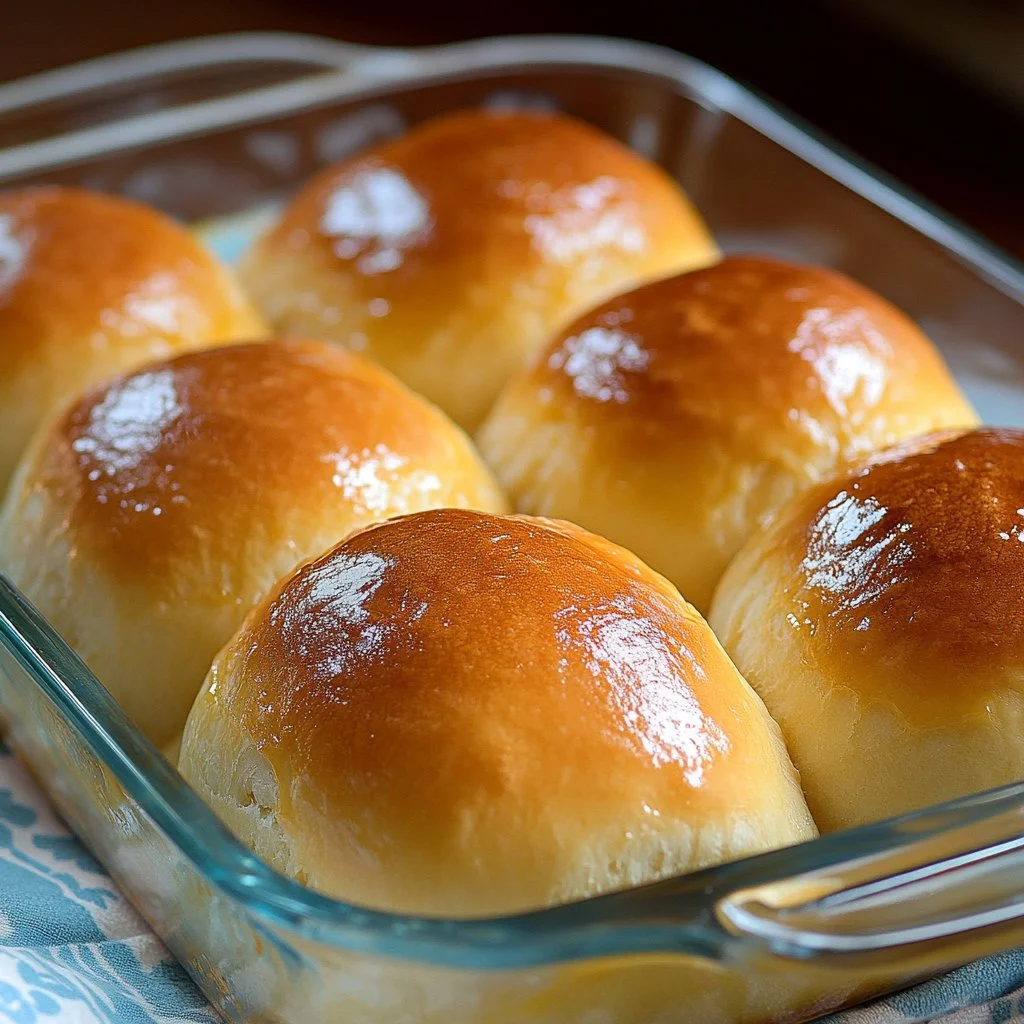
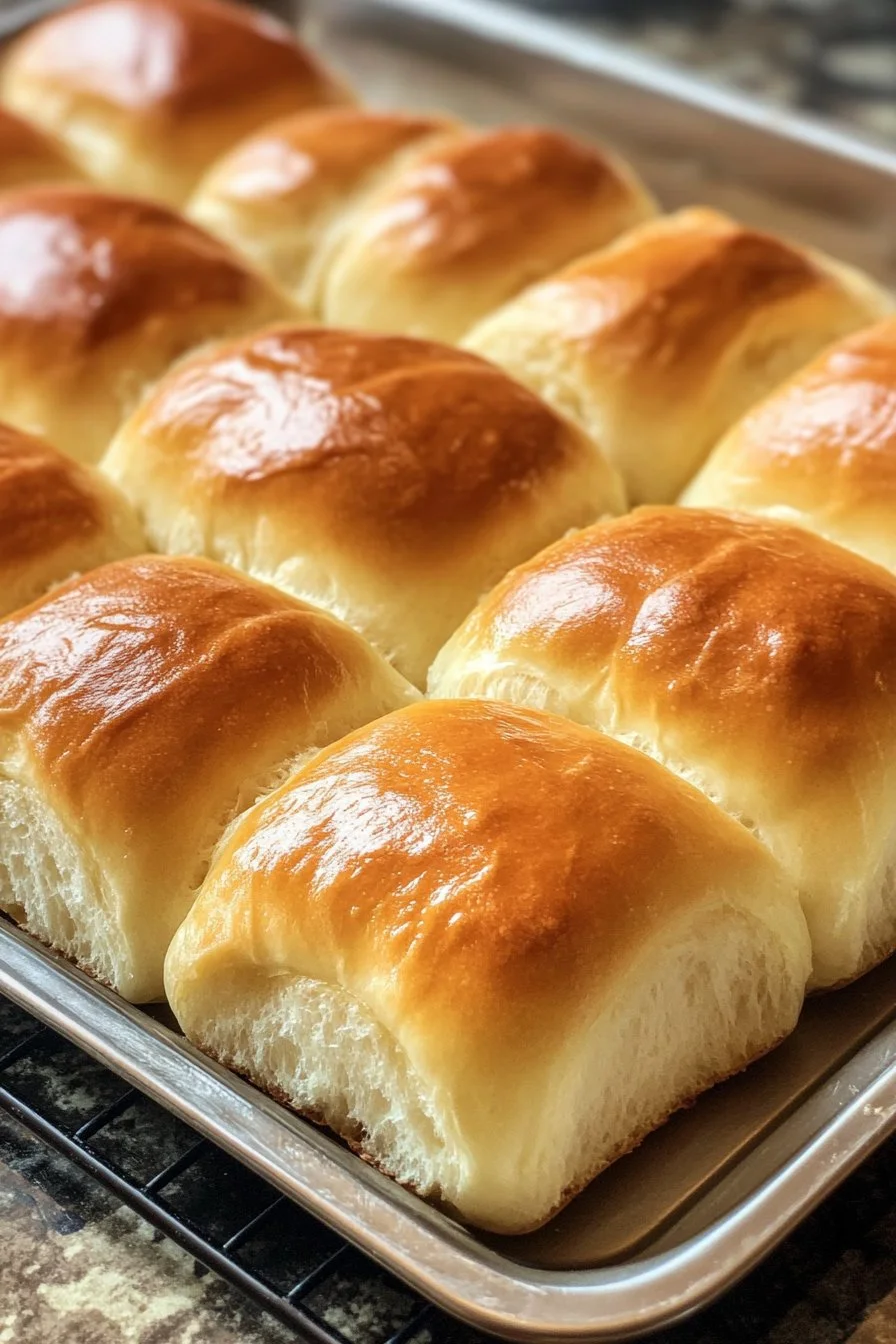
Presentation matters, especially when serving Grandma’s buttery rolls. Fresh out of the oven, these rolls will shine. The golden brown tops and glossy finish from the brushed butter make for an inviting sight. Serve them warm, either directly from the baking dish or in a beautiful basket lined with a cloth.
These rolls pair beautifully with any meal. Their buttery flavor complements a variety of savory dishes, making them a versatile addition to Sunday dinner or holiday gatherings.
Pairings/storage
Grandma’s buttery rolls pair wonderfully with soups, stews, or salads. Their fluffy texture can soak up flavorful broths, enhancing the entire meal. Enjoy them alongside roasted chicken or grilled vegetables for a well-rounded experience.
If you find yourself with leftovers, store them in an airtight container. They will stay fresh for several days. For longer storage, consider freezing these rolls. Simply wrap them well, and they can last for a few months.
Reheating is a breeze; a few moments in the oven will restore their warm, soft nature.
Creating Grandma’s buttery rolls not only fills your home with inviting aromas but also connects family and friends through shared moments and delicious flavors. Embrace the adventure of making these rolls, and let every bite remind you of the love that flourishes in the kitchen.
Print
Grandma’s Buttery Rolls
- Prep Time: 15 minutes
- Cook Time: 20 minutes
- Total Time: 95 minutes
- Yield: 12 servings
- Category: Baked Goods
- Method: Baking
- Cuisine: American
- Diet: Vegetarian
Description
Soft, golden brown rolls filled with love, perfect for any gathering.
Ingredients
- 2 cups all-purpose flour
- 1/2 cup butter, softened
- 1/2 cup milk
- 1/4 cup sugar
- 1 packet active dry yeast
- 1/2 teaspoon salt
- 1 large egg
Instructions
- In a small bowl, dissolve the yeast in warm milk and let it sit for about 5 minutes.
- In a large bowl, cream together the softened butter and sugar.
- Add the egg and mix well.
- Stir in the yeast mixture.
- Gradually add flour and salt, mixing until a soft dough forms.
- Knead on a floured surface for about 5 minutes until smooth.
- Place the dough in a greased bowl, cover, and let rise until doubled in size, about 1 hour.
- Preheat oven to 375°F (190°C).
- Punch down the dough and shape it into rolls. Place them in a greased 13 x 9 dish.
- Let rise for another 30 minutes.
- Bake for 15-20 minutes until golden brown.
- Brush with melted butter before serving.
Notes
Use fresh yeast for the best flavor and rise. Store leftovers in an airtight container.