
📑 Table of Contents ▶
- East African Kuku Paka
- Cooking East African Kuku Paka
- Fundamentals
- Preparation/Setup
- Mastering the Technique
- Technique
- Tips/Tricks
- Perfecting Your East African Kuku Paka
- Perfecting Results
- Troubleshooting/Variations
- Serving and Presentation
- Serving/Presentation
- Pairings/Storage
- Conclusion
- FAQs – East African Kuku Paka
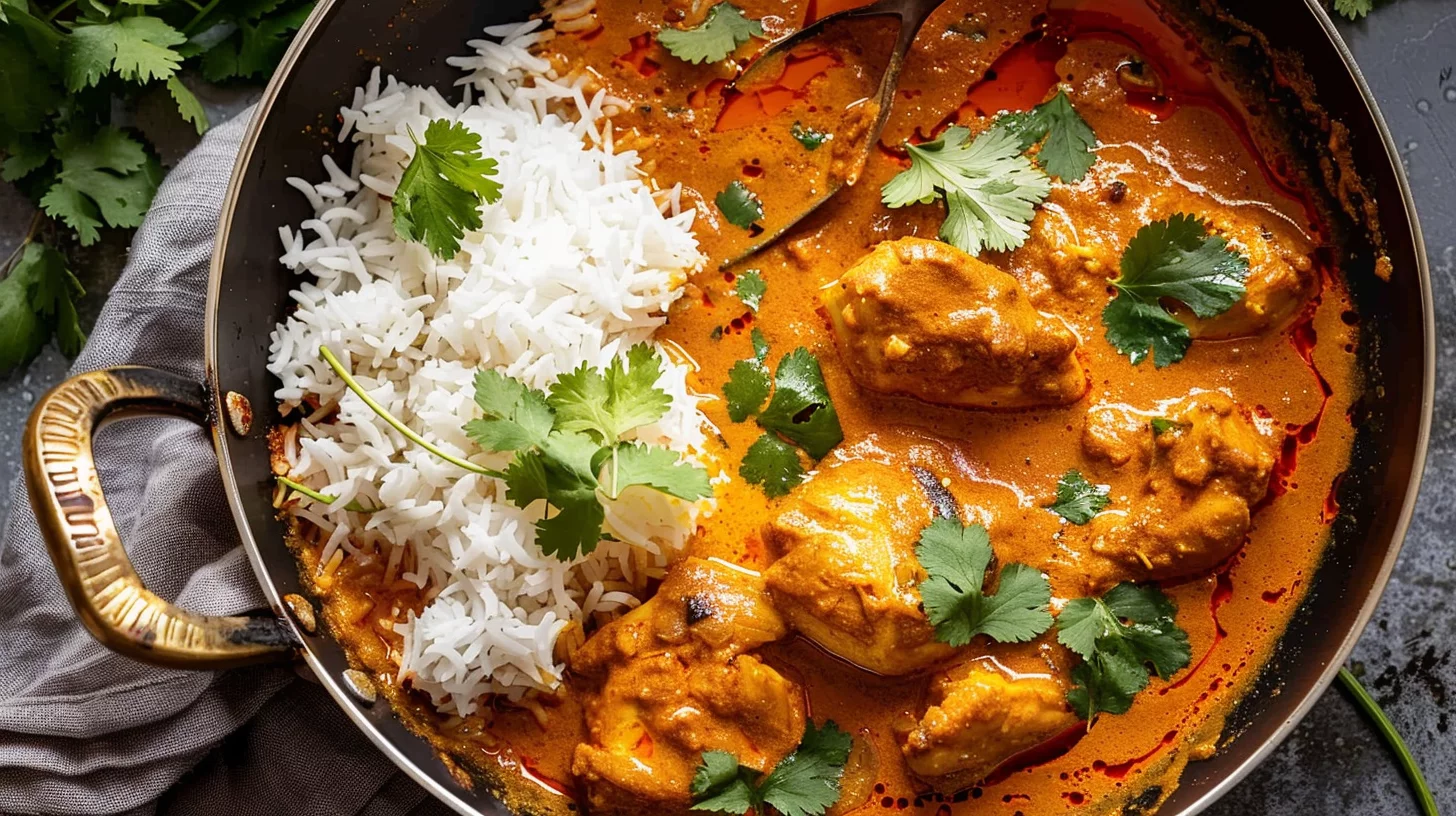
The aroma of East African Kuku Paka takes me back to my grandmother’s kitchen, where the fragrant spices and creamy textures were always a delight. Growing up, the kitchen was the center of our home, filled with laughter and the comforting smells of home-cooked meals. My grandmother’s simple yet flavorful dishes taught me the art of creating magic with just a few ingredients.
East African Kuku Paka was a staple in our household, a dish that brought everyone together at the dinner table. It’s a recipe that combines rich flavors with an easy cooking process, making it accessible for cooks of all levels. The balance of spices in this dish is a reflection of the love and patience my grandmother instilled in her cooking.
At Yumoti, I aim to share the joy of cooking and the warmth that a meal like East African Kuku Paka can bring to any gathering. The blend of coconut milk with the vibrant spices creates a dish that is both comforting and exciting. This recipe is more than just food; it’s a celebration of culture and tradition.
Join me on a culinary journey as we explore the flavors and techniques that make East African Kuku Paka a cherished dish. Whether you’re preparing it for a family dinner or introducing it to friends, this recipe is sure to become a favorite. Let’s dive into the fundamentals of creating this flavorful masterpiece.
Print
East African Kuku Paka
- Prep Time: 15 minutes
- Cook Time: 35 minutes
- Total Time: 50 minutes
- Yield: 4 servings
- Category: Main Course
- Method: Simmering
- Cuisine: East African
Description
Discover how to make East African Kuku Paka, a flavorful and aromatic chicken coconut curry, with this easy recipe. Perfect for a delicious meal!
Ingredients
- – 4 chicken thigh fillets, skin-on and bone-in (250g/8oz each)
- – 4 chicken drumsticks (150g/5oz each)
- – 3/4 tsp (4 ml) cooking / kosher salt
- – 1/2 tsp (3 ml) black pepper
- – 2 tbsp (30 ml) vegetable oil (or coconut, canola, or other plain oil)
- – 1 onion, finely diced
- – 3 garlic cloves, finely minced
- – 2 tsp (10 ml) ginger, finely minced
- – 1 tbsp (15 ml) coriander powder
- – 1/2 tbsp (8 ml) cumin powder
- – 1/2 tbsp (8 ml) turmeric powder
- – 1 tsp (5 ml) pure chili powder or cayenne pepper, reduce or omit to taste
- – 400g / 14 oz coconut milk, full-fat
- – 400g / 14 oz crushed canned tomato
- – 1 1/4 tsp (6 ml) cooking / kosher salt
- – 2 tbsp (30 ml) lemon juice (sub apple cider vinegar)
- – 1/2 cup (120 ml) (lightly packed) coriander/cilantro leaves (sub parsley or baby spinach, or omit)
- – Basmati rice or other rice, and/or flatbreads or roti
Instructions
- Instructions for Preparing East African Kuku Paka:
- Prepare the chicken by drying it with paper towels, then evenly sprinkle with salt and pepper.
- In a large, heavy pot, heat the oil over high heat. Place the chicken thighs skin-side down and cook until they achieve a golden hue, about 4-5 minutes. Flip them over and cook the other side for 1 minute before transferring to a plate. Repeat with the drumsticks, browning them on three sides for 2 minutes each. Set aside on the plate.
- Reduce the heat to medium-high and add the onion, cooking until softened, about 1 minute. Introduce the garlic and ginger, stirring for 30 seconds. Mix in the coriander, cumin, turmeric, and chili, stirring for another 30 seconds.
- Pour in the coconut milk, crushed tomatoes, and salt, mixing well. Return the chicken to the pot, including any juices that have collected on the plate, and try to immerse the pieces in the sauce.
- Allow the mixture to reach a gentle simmer, then lower the heat to maintain a soft bubbling. Cover the pot and let it cook for 10 minutes. Remove the lid and continue simmering for an additional 20 minutes, stirring occasionally to prevent sticking.
- Mix in the lemon juice and half of the coriander leaves. Serve the dish in bowls, garnishing with the remaining coriander for a fresh finish.
Notes
- Marinate the chicken in salt and pepper for at least 30 minutes before cooking to enhance the dish’s flavor.
- For a richer sauce, opt for full-fat coconut milk instead of light coconut milk.
- Adjust the spice level by reducing or omitting chili powder/cayenne pepper to suit your taste preferences.
Cooking East African Kuku Paka
Fundamentals
Understanding the basics of East African Kuku Paka is essential to mastering this delightful dish. The core of the recipe relies on simple yet potent ingredients that create a symphony of flavors. Chicken, coconut milk, and a blend of spices form the backbone of this dish, each contributing a unique element to the final taste.
The choice of chicken is crucial, as it serves as the primary protein. Using skin-on, bone-in chicken thighs and drumsticks ensures the meat remains juicy and flavorful during cooking. The spices—coriander, cumin, turmeric, and chili powder—add depth and warmth, making East African Kuku Paka a truly aromatic experience.
Preparation/Setup
Begin by preparing the chicken, ensuring that each piece is dry for optimal browning. Season the chicken with salt and pepper to enhance its natural flavors. Next, focus on the aromatics: finely dice the onion, and mince the garlic and ginger. These will form the base of the dish, providing a fragrant foundation for the spices to build upon.
Gather all the spices and measure them out. Having everything ready before you start cooking makes the process smoother and allows you to focus on the technique. Set aside the coconut milk and crushed tomatoes; these will be added later to create the rich sauce that defines East African Kuku Paka.
Mastering the Technique
Technique
To achieve the perfect East African Kuku Paka, start by browning the chicken in a large pot. Heating the oil over high heat ensures a beautiful golden crust that locks in the juices. Browning the chicken in batches allows for even cooking and prevents overcrowding, which can lead to steaming rather than searing.
Once browned, remove the chicken and use the same pot to sauté the onions, garlic, and ginger. This step is key to building flavor, as the aromatics absorb the fond left by the chicken. Add the spices, stirring them to release their essential oils, which enhances their flavor profile. This technique ensures that each bite of East African Kuku Paka is infused with the deep, earthy notes of the spices.
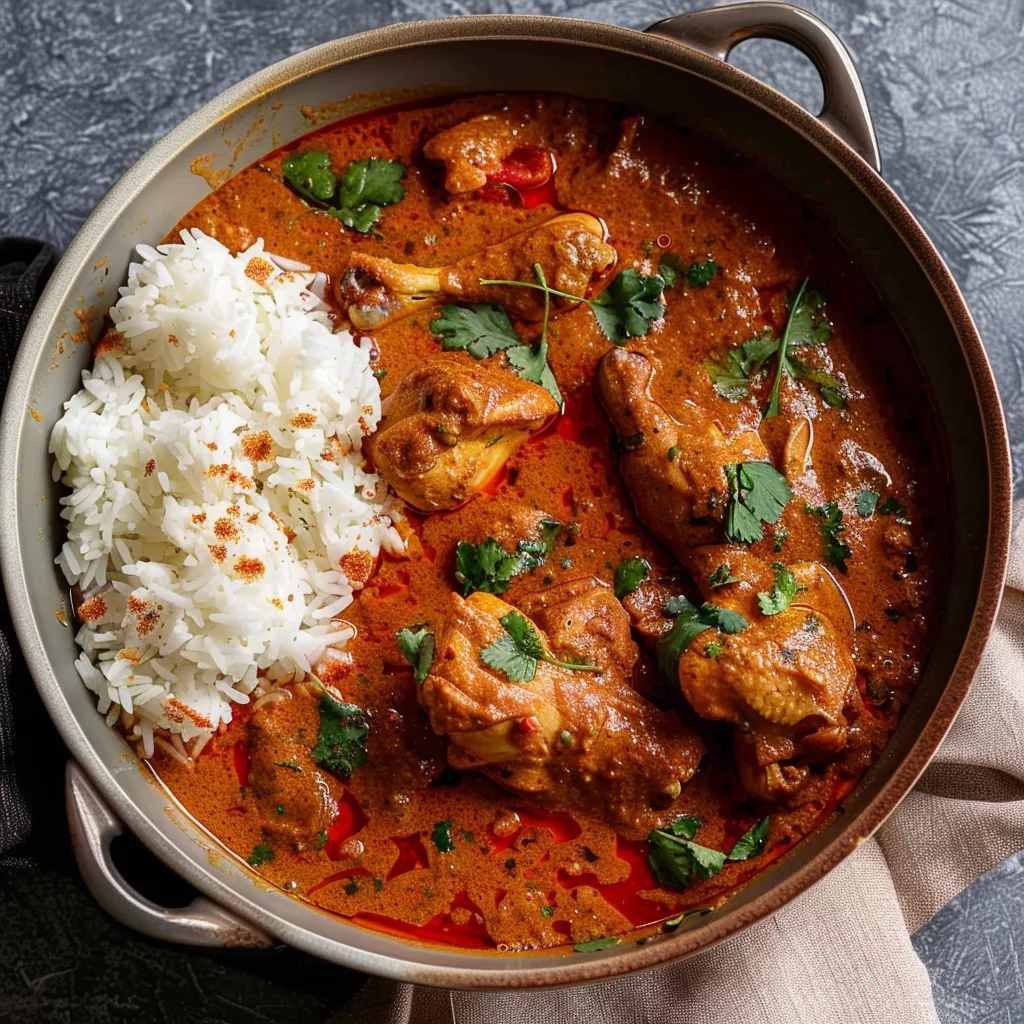
East African Kuku Paka
Tips/Tricks
One tip for making East African Kuku Paka is to not rush the browning process. Allowing the chicken skin to achieve a rich color adds complexity to the dish. Additionally, when adding the coconut milk and tomatoes, ensure they are well-mixed with the spices to form a cohesive sauce.
Stir the pot occasionally while simmering to prevent sticking and to ensure even cooking. If you prefer a milder dish, you can adjust the amount of chili powder. Remember, this dish should reflect your personal taste preferences while maintaining the essence of East African Kuku Paka.
Perfecting Your East African Kuku Paka
Perfecting Results
Perfecting the flavor and texture of East African Kuku Paka requires attention to detail. After adding the coconut milk and tomatoes, bring the mixture to a gentle simmer. This slow cooking process allows the chicken to absorb the flavors of the sauce, resulting in tender, flavorful meat.
The final touch is the addition of lemon juice and fresh coriander leaves. The acidity from the lemon juice balances the richness of the coconut milk, while the coriander adds a burst of freshness. These elements elevate East African Kuku Paka, making it a well-rounded and satisfying dish.
Troubleshooting/Variations
If you encounter issues with the sauce consistency, simply adjust by simmering for a longer period to thicken, or add a splash of water if it’s too thick. For those who wish to explore variations, consider substituting chicken with a different protein, such as tofu or fish, to create a unique twist on the traditional East African Kuku Paka.
Don’t be afraid to experiment with the spice levels to suit your palate. The beauty of East African Kuku Paka lies in its adaptability, allowing you to make it your own while staying true to its roots. If you love creative comfort food, you’ll definitely want to try Feta-Stuffed Chicken Breasts with Spicy Honey Drizzle—a fun twist on classic flavors.
Serving and Presentation
Serving/Presentation
When serving East African Kuku Paka, presentation plays a key role in enhancing the dining experience. Serve the dish in shallow bowls, allowing the vibrant colors of the sauce and garnishes to shine. Scatter fresh coriander leaves on top for a pop of green, adding a touch of elegance to the presentation.
Pair East African Kuku Paka with basmati rice or warm flatbreads to soak up the flavorful sauce. The combination of textures and flavors creates a satisfying meal that delights the senses. For a bread option, consider these Old-Fashioned Soft and Buttery Yeast Rolls, which complement the dish beautifully.
Pairings/Storage
East African Kuku Paka pairs well with a variety of sides, including steamed vegetables or a simple salad, creating a balanced meal. For storage, keep any leftovers in an airtight container in the refrigerator for up to three days. Reheat gently on the stovetop to maintain the integrity of the flavors.

East African Kuku Paka
If you’re interested in exploring more chicken dishes, try the Sous Vide Chicken Breasts with Lemon, Garlic, and Rosemary for a unique cooking method that ensures perfectly tender chicken every time.
Conclusion
East African Kuku Paka is a celebration of flavors and traditions, bringing together the warmth of spices and the richness of coconut milk. The simplicity of its preparation does not detract from its complexity and depth, making it a dish that stands out in any culinary repertoire.
This recipe showcases the power of cooking to create bonds and memories, turning meals into cherished moments. Whether you’re a novice cook or an experienced chef, East African Kuku Paka offers a delightful experience that is both comforting and invigorating.
By mastering the fundamentals and exploring variations, you can make East African Kuku Paka your own. Its adaptability and deliciousness make it a must-try for anyone looking to expand their culinary horizons with a dish that is as rewarding to cook as it is to eat.