
📑 Table of Contents ▶
Basil Salt
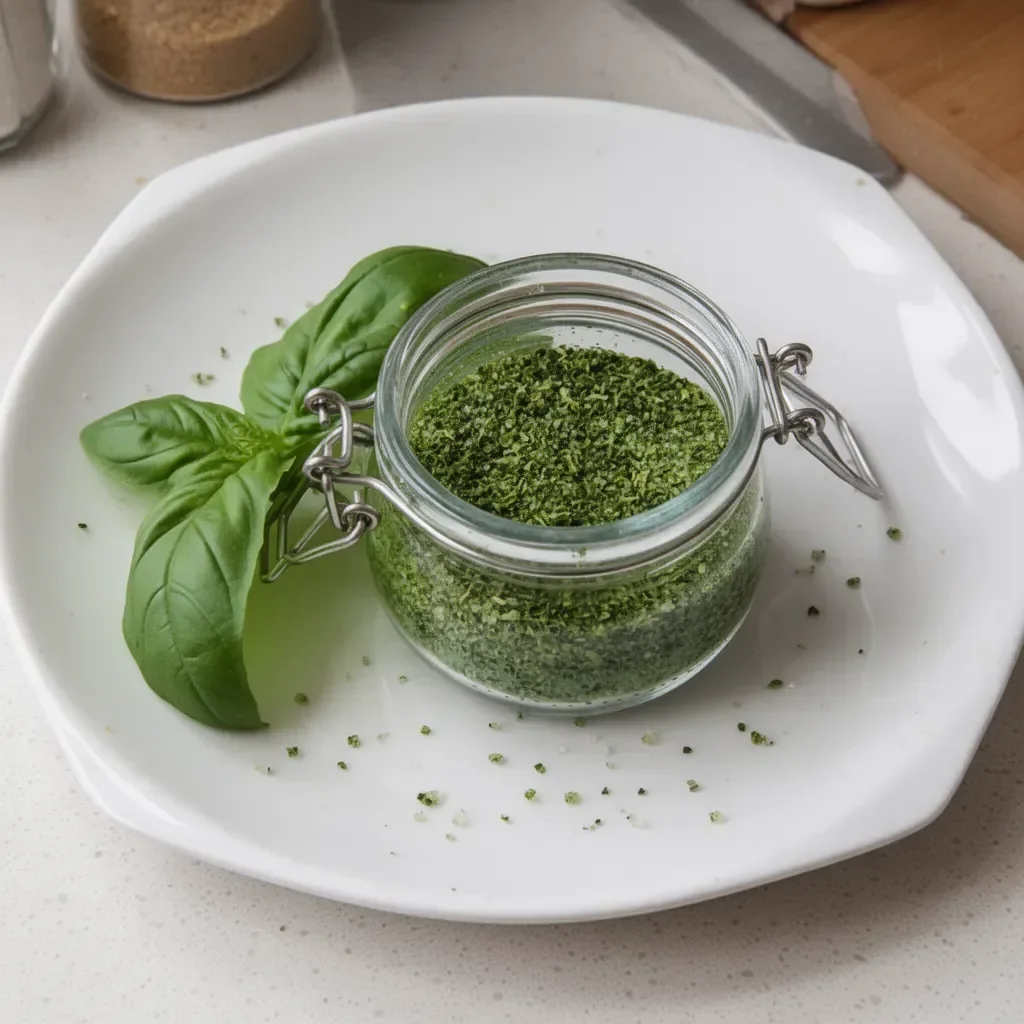
Fresh basil salt can remarkably enhance your culinary creations. This vibrant blend not only adds depth to dishes but also serves as a conversation starter at your dinner table. Recently, I decided to create my own basil salt to bring a touch of summer into our meals. The fragrance of fresh basil, paired with the coarse sea salt, immediately filled my kitchen with warmth and nostalgia.
Many people overlook how simple ingredients can elevate a meal, yet this basil salt proves that with a few fresh basil leaves and some coarse sea salt, you can create a condiment that bursts with flavor. I recall several evenings when we gathered around the grill, sprinkling this salt over grilled vegetables and meats, watching everything turn golden and crisp. It truly made our meals more vibrant and enjoyable.
Infusing salt with fresh basil captures the essence of summer, a reminder of sun-drenched afternoons spent in the garden. The simplicity of this recipe reflects my cooking philosophy—using fresh, wholesome ingredients to create dishes that resonate with flavor and memory. The art of crafting basil salt transforms a typical seasoning into something immensely special.
Creating basil salt only requires a few steps and offers delicious rewards, making it a staple in many kitchens. As you dive into making your own batch, let the aroma of basil fill your space and bring your senses to life.
Making Basil Salt at Home
Fundamentals
Creating basil salt may seem straightforward, yet the process is rich with flavor and creativity. At its core, basil salt enhances any dish with layers of taste and freshness. The beauty of this recipe lies in the crispness of fresh basil combined with the coarse texture of sea salt. It perfectly complements salads, roasted vegetables, and proteins without overpowering their natural flavors.
While you can achieve a similar result using dried herbs, nothing can replace the aromatic quality of fresh basil. The vibrant green color of fresh basil accentuates the salt, making it as much an aesthetic experience as a culinary one. It’s no surprise that fresh herbs and salts have become staples in gourmet kitchens worldwide. With this easy preparation method, you can achieve professional-grade seasoning right at home.
Preparation/Setup
To begin, prepare your kitchen for the delicious magic of basil salt. Preheat your oven to a low temperature of 200°F (93°C). This gentle heat will help dehydrate the basil leaves without cooking them, preserving their flavor and vibrant color.
Next, wash and dry your fresh basil leaves thoroughly. Ensuring the leaves are completely dry prevents moisture from interfering with the drying process. Having everything at hand before you start allows for a smooth operation. Set out your food processor; this will be your trusty tool for mixing the basil and sea salt into a uniform blend.
Ingredients
- 1 cup fresh basil leaves: Choose vibrant green, unblemished leaves for the best flavor.
- 1 cup coarse sea salt: The texture of coarse salt enhances the sensations in your dishes.
This simplistic combination proves that flavorful ideas can spring from the bare essentials.
Directions
- Preheat the oven to 200°F (93°C).
- Wash and dry the fresh basil leaves thoroughly.
- In a food processor, combine the basil leaves and coarse sea salt. Blend until the basil is finely chopped and well mixed with the salt.
- Spread the mixture evenly on a baking sheet lined with parchment paper.
- Bake in the oven for about 20-30 minutes, or until the basil is dry.
- Let it cool, then store in an airtight container.
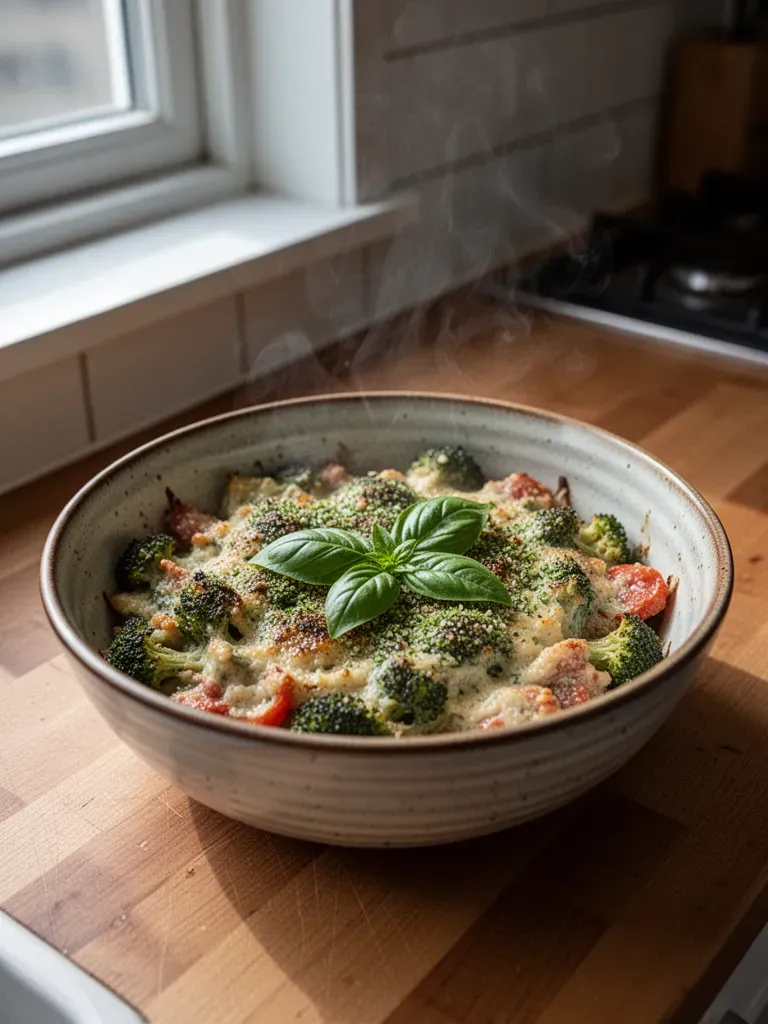
Elevating Your Culinary Skills with Basil Salt
Technique
The technique of making basil salt is a simple yet effective method to enhance your culinary repertoire. Begin with quality ingredients, as the freshness of the basil significantly impacts the taste of your salt. Using a food processor allows for an even blend, ensuring that the salt carries the essence of the basil throughout.
When you reach the baking stage, keep an eye on the basil mixture as it dries. The goal is to avoid burning, which can dull the vibrant flavor. This attention to detail showcases your commitment to quality cooking and elevates your dishes.
Tips/Tricks
For an exceptional outcome, consider these tips. First, use fresh basil leaves that are vibrant and free from blemishes. If you can grow basil at home, nothing beats the taste of freshly harvested leaves. Also, consider experimenting with the texture of your salt. If you prefer a finer grain, pulse the mixture longer in the processor until you achieve the desired consistency.
Moreover, store your basil salt in an airtight container in a cool, dark place to maintain its freshness.
Perfecting Basil Salt
Perfecting Results
Making basil salt is about tailoring it to your preferences. Once you’ve mastered the basic recipe, consider infusing it with additional herbs or spices. For instance, blending in a touch of garlic powder or black pepper could take the flavor to another level.
Pay attention to the drying time; each oven might vary slightly. If the dried basil crumbles easily, it’s ready to cool completely.
Troubleshooting/Variations
Sometimes, basil may lose some of its flavor during the drying process. To rectify this, add a pinch more fresh basil when blending it with the salt. This adjustment can revive the potency of your seasoning. If you want a more complex flavor profile, explore combinations of herbs like oregano or thyme—just ensure they harmonize with the distinct basil taste.
Serving and Storing Basil Salt
Serving/Presentation
When serving dishes seasoned with basil salt, consider aesthetics and flavor. Presentation plays a crucial role in enjoyable meals. Use small bowls to transfer the basil salt at the table, encouraging guests to sprinkle as they please. This interactive element invites a sense of curiosity and a more personal touch to their dining experience.
Pairings/Storage
Basil salt pairs beautifully with various dishes, enhancing everything from grilled options to fresh salads without overwhelming them. Its versatility is astounding, making it an essential ingredient to keep on hand.
Store your basil salt tightly sealed in an airtight container. It will maintain optimal flavor for several months when kept in a cool, dark location. The colors will fade over time, but the flavor will persist, ensuring you have a treasured condiment to uplift your meals.
Making basil salt is not just a simple recipe; it’s an opportunity to reconnect with food. Each sprinkle serves as a reminder of summer’s bounty and the memories created around the table. Enjoy this delightful addition to your cooking, and let it inspire new culinary adventures.
Print
Homemade Basil Salt
- Prep Time: 10 minutes
- Cook Time: 30 minutes
- Total Time: 40 minutes
- Yield: 2 cups
- Category: Condiment
- Method: Baking
- Cuisine: Italian
- Diet: Vegetarian
Description
A flavorful blend of fresh basil and coarse sea salt that enhances your culinary creations.
Ingredients
- 1 cup fresh basil leaves
- 1 cup coarse sea salt
Instructions
- Preheat the oven to 200°F (93°C).
- Wash and dry the fresh basil leaves thoroughly.
- Combine the basil leaves and coarse sea salt in a food processor and blend until finely chopped.
- Spread the mixture evenly on a baking sheet lined with parchment paper.
- Bake in the oven for about 20-30 minutes, or until the basil is dry.
- Let it cool, then store in an airtight container.
Notes
Consider using fresh basil leaves that are blemish-free for the best flavor. Store your basil salt in a cool, dark place to maintain freshness.