
📑 Table of Contents ▶
Gordon Ramsay Homemade Pasta Recipe
Making pasta from scratch transforms a simple meal into a memorable occasion. This experience connects generations, bringing families together to share in a timeless tradition. When I began making pasta, I never imagined how such basic ingredients could yield such incredible flavors and textures.
Pasta-making feels more like an art form than a cooking task. From the soft, pliable dough to the delicate strings of fettuccine, the entire process exudes creativity. Each step encourages experimentation and personalization, whether it’s the thickness of your noodles or the shape you choose. Homemade pasta has a special knack for elevating any dish, and knowing that you crafted it yourself adds a personal touch.
By using this Gordon Ramsay homemade pasta recipe, you not only learn a skill but also infuse your cooking with passion and love. Fresh pasta cooks in minutes, allowing you to whip up delectable dishes without excessive fuss. Whether your family gathers around the table for an Italian feast or you enjoy a quiet evening with a plate of your handmade creation, you’ll cherish the memories that accompany each bite.
Preparing the Perfect Dough
Fundamentals
Homemade pasta begins with understanding the fundamentals of dough preparation. The primary ingredients—flour, eggs, olive oil, and sea salt—come together to form a robust dough. You’ll need to select high-quality all-purpose flour for the best results. This flour acts as the backbone of your pasta, providing structure and texture.
The versatility of this dough allows you to create various pasta styles, from thin sheets for lasagna to wide noodles for fettuccine. Adjusting the ratio of ingredients slightly can lead to different results, but starting with the provided recipe will give you a strong foundation.
Preparation/setup
Start by selecting a clean, flat work surface. Carefully measure out 2 cups (240g) of all-purpose flour and pile it onto your surface, gently spooning and leveling it for accuracy. The next step requires a little finesse: form a well in the center of the flour. This is where the magic happens.
In the well, add 3 large eggs, ½ tablespoon of extra-virgin olive oil, and ½ teaspoon sea salt. This combination will kick-start the dough-making process. Make sure that you have all your tools ready, including a fork for mixing and a clean surface to work on when you knead the dough.
Ingredients
Here’s a quick recap of what you need for this enjoyable homemade pasta recipe:
- 2 cups (240g) all-purpose flour, spooned & leveled
- 3 large eggs
- ½ teaspoon sea salt
- ½ tablespoon extra-virgin olive oil
With these basic ingredients, you are well on your way to creating your homemade pasta.
Directions
- To begin, pile the flour on your clean surface and make a well in the center.
- Add the eggs, olive oil, and sea salt into the well.
- Using a fork, slowly incorporate the flour into the eggs, ensuring the mixture stays within the well.
- Once it starts to come together, mix with your hands until you form a shaggy dough.
- Knead the dough for 8–10 minutes until it feels smooth and elastic.
- If the dough is too dry, add a few drops of water; if it’s sticky, dust with flour.
- Shape the dough into a ball, wrap it in plastic wrap, and let it rest for 30 minutes at room temperature.
- After resting, cut the dough into four equal pieces.
- Flatten one piece into a small oval shape.
- Pass the flattened dough through a pasta machine, starting with setting one three times.
- Fold the dough into thirds and run it again through settings two and three three times each, continuing through settings four, five, and six.
- Lay the finished sheets on a floured baking sheet, dust with flour, and fold lightly. Repeat with the remaining dough.
- Use a cutter to shape the pasta as desired, like fettuccine.
- Finally, boil in salted water for 1–2 minutes until al dente, drain, and enjoy!
Mastering Your Technique
Technique
Perfecting your pasta-making technique hinges on proper kneading and rolling. Kneading the dough infuses air and develops gluten, resulting in a chewy, delightful texture. Don’t rush this step; truly immerse yourself in the process. As you knead, you may find it helpful to sprinkle a little flour on your hands or the work surface to prevent sticking.
When rolling the dough through a pasta machine, patience is essential. Aim for even thickness with each pass, as this will promote uniform cooking. Pay close attention to how the dough transforms; the smooth texture that results will make your pasta shine.
Tips/tricks
Here are some essential tips to elevate your homemade pasta:
- Flour your surfaces: Use flour generously to avoid sticky dough.
- Keep hands clean: Wipe excess flour off your hands to maintain a consistent texture.
- Experiment with thickness: Thicker pasta cooks more slowly and offers a hearty bite, while thinner pasta cooks quickly and feels light.
- Resting is crucial: Allowing the dough to rest ensures proper gluten formation, making it much easier to roll out and shape.
Perfecting Your Results
Perfecting results
Getting the hang of homemade pasta takes practice, but it’s well worth the effort. One of the most delightful aspects of pasta is how forgiving it can be. If your dough feels a bit too dry, a few drops of water will work wonders to bring it back together.
For perfect pasta, aim for al dente cooking, making sure to taste it before draining. Slightly undercooking the pasta allows for the residual heat to finish cooking it once it combines with sauce or other ingredients.
Troubleshooting/variations
A few common pitfalls can arise during pasta-making. If your dough tears during the rolling process, it might be too dry. In this case, you can moisten it with a drop of water and knead lightly. If the dough feels too sticky, adding a little flour can help achieve that desired consistency.
Feel free to experiment with flavors! Incorporate ingredients such as freshly chopped herbs, beet juice, or spinach puree to create colorful, flavorful variations.
Serving Your Homemade Pasta
Serving/presentation
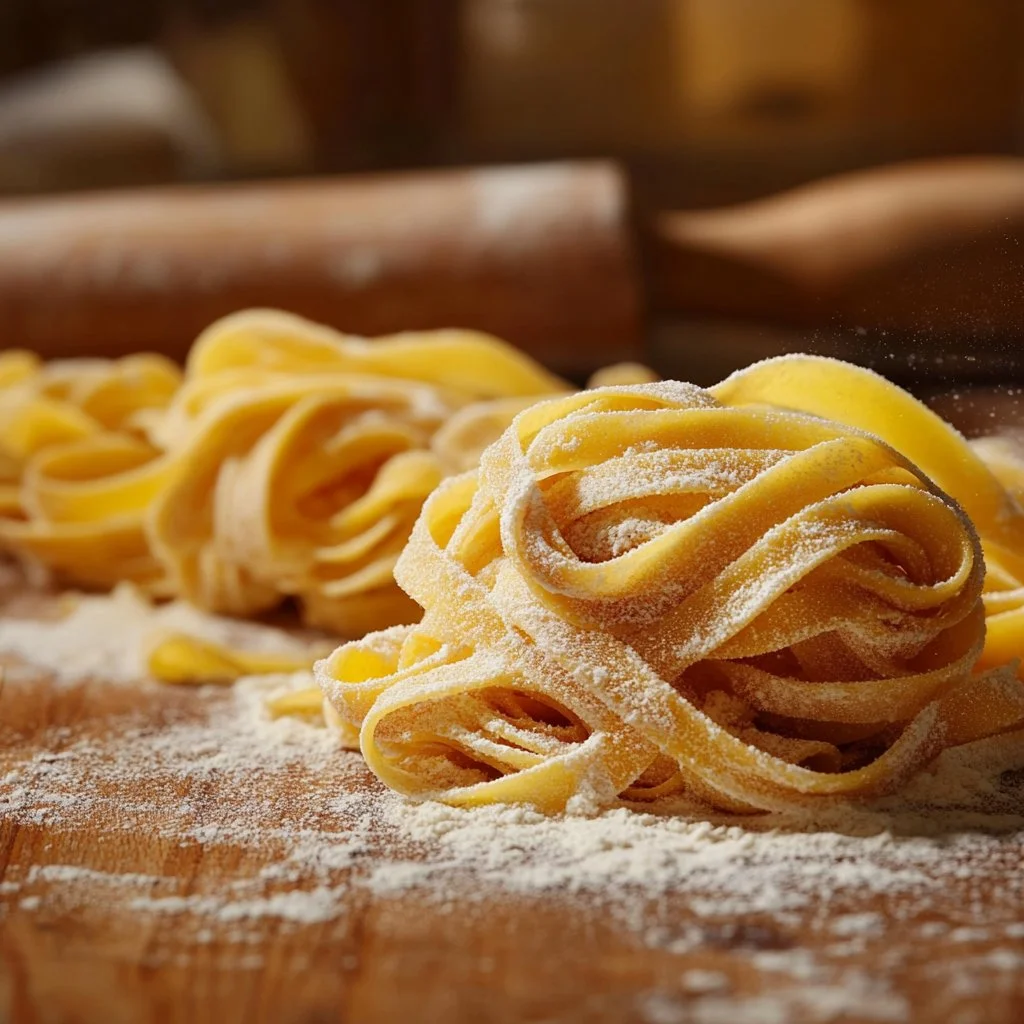
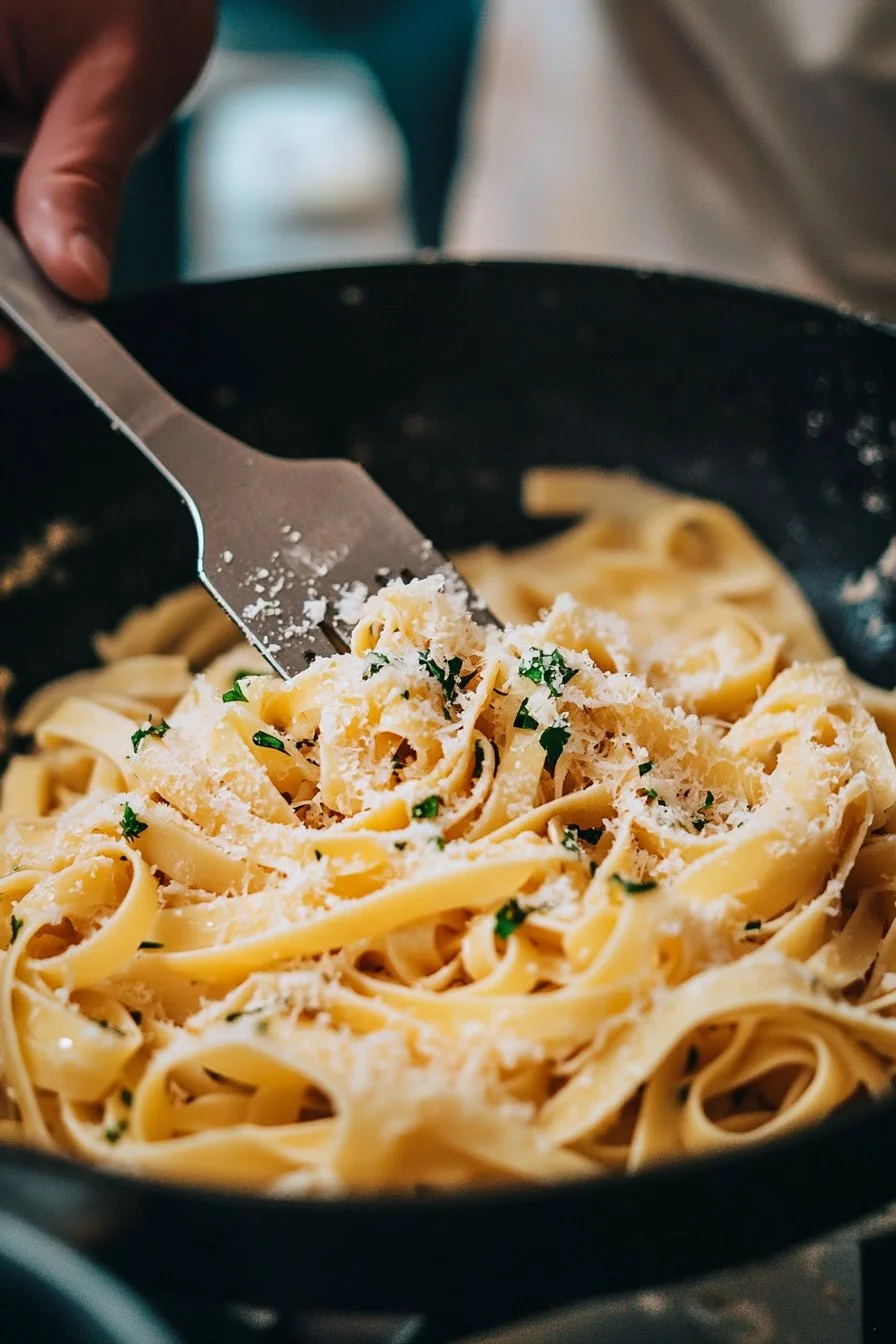
Serving homemade pasta can be an elegant experience. Twirl your fettuccine into nests on a plate, arranging them artfully. Top with a drizzle of olive oil or a simple sauce to enhance the pasta’s flavor without overshadowing its freshness. Sprinkling freshly grated cheese or herbs elevates your presentation further.
The simplicity of homemade pasta speaks volumes. The love and care you’ve put into it become an integral part of the meal, inviting everyone to savor each bite.
Pairings/storage
While exploring sauces for your pasta creations, consider light options like garlic and olive oil, fresh marinara, or sautéed seasonal vegetables. Homemade pasta pairs well with various flavors—choose what excites your taste buds.
If you have leftover pasta, storing it is simple. Place it in an airtight container, separating layers with parchment paper to avoid sticking. Refrigerate for up to three days, or freeze for longer storage, ensuring you have homemade pasta ready whenever inspiration strikes.
Conclusion
Crafting homemade pasta opens up a world of culinary joy and creativity. This simple yet powerful recipe showcases how basic ingredients can create something extraordinary. Connect with your culinary roots as you experiment with different shapes and sauces, defining your unique take on pasta.
Making fresh pasta is more than just cooking; it’s an experience that carries the flavors of love and tradition. Make it a regular part of your cooking repertoire, and enjoy the transformation it brings to your meals and gatherings. Start today, and let the world of homemade pasta inspire you.
Print
Gordon Ramsay Homemade Pasta
- Prep Time: 30 minutes
- Cook Time: 2 minutes
- Total Time: 32 minutes
- Yield: 4 servings
- Category: Main Course
- Method: Pasta Making
- Cuisine: Italian
- Diet: Vegetarian
Description
Craft your own pasta from scratch for a delightful culinary experience that connects family traditions. This recipe showcases how simple ingredients create amazing flavors.
Ingredients
- 2 cups (240g) all-purpose flour, spooned & leveled
- 3 large eggs
- ½ teaspoon sea salt
- ½ tablespoon extra-virgin olive oil
Instructions
- Pile the flour on a clean surface and make a well in the center.
- Add the eggs, olive oil, and sea salt into the well.
- Using a fork, slowly incorporate the flour into the eggs, ensuring the mixture stays within the well.
- Once it starts to come together, mix with your hands until you form a shaggy dough.
- Knead the dough for 8–10 minutes until it feels smooth and elastic.
- If the dough is too dry, add a few drops of water; if it’s sticky, dust with flour.
- Shape the dough into a ball, wrap it in plastic wrap, and let it rest for 30 minutes at room temperature.
- After resting, cut the dough into four equal pieces.
- Flatten one piece into a small oval shape.
- Pass the flattened dough through a pasta machine, starting with setting one three times.
- Fold the dough into thirds and run it again through settings two and three three times each, continuing through settings four, five, and six.
- Lay the finished sheets on a floured baking sheet, dust with flour, and fold lightly. Repeat with the remaining dough.
- Use a cutter to shape the pasta as desired, like fettuccine.
- Finally, boil in salted water for 1–2 minutes until al dente, drain, and enjoy!
Notes
Flouring surfaces helps avoid sticky dough. Experiment with the thickness for desired texture.